
Bavarian Curious is reader-supported. This article contains affiliate links — if you book or buy through them we may earn a small commission at no extra cost to you. See our disclosure.
You don’t have to dress up for Oktoberfest — but you’ll wish you had. The vast majority of guests, locals included, wear traditional Bavarian dress (Tracht), and slipping into a dirndl or lederhosen instantly makes you part of the celebration rather than a spectator. Here’s everything you need to know to get it right, look authentic, and avoid the costume-shop traps.
The two essentials: dirndl and lederhosen
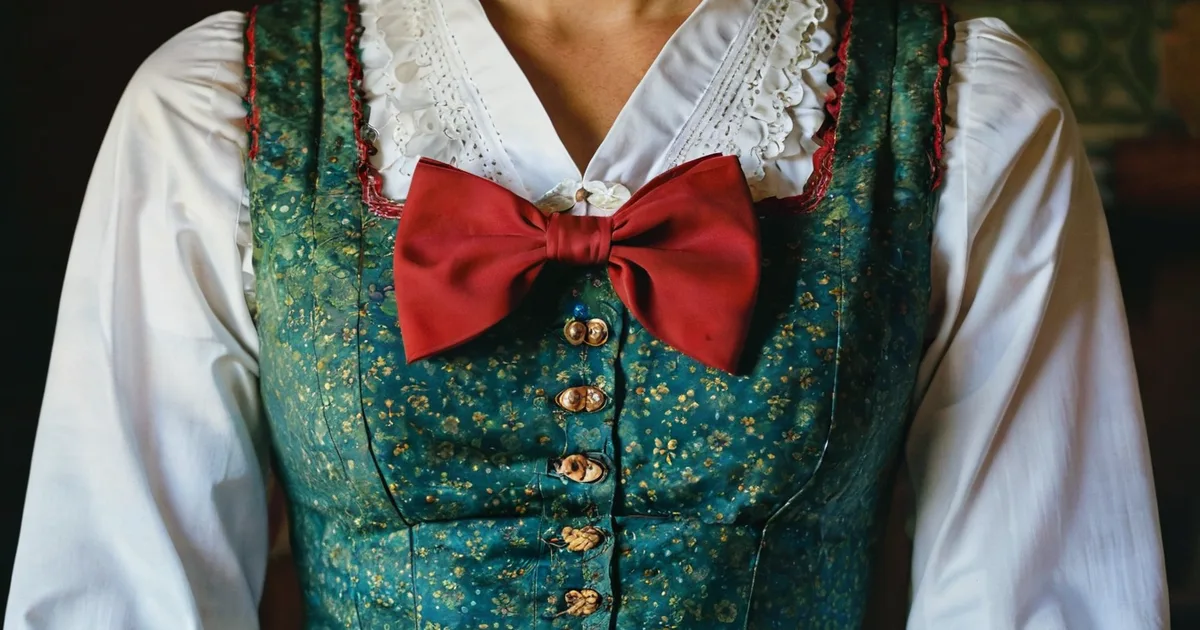
The dirndl (for women) is a traditional Bavarian dress with four parts: a fitted bodice, a high-waisted skirt, a blouse worn underneath, and a decorated apron. Done well, it’s flattering and elegant; done badly, it looks like a costume — and the difference is almost entirely about fit.
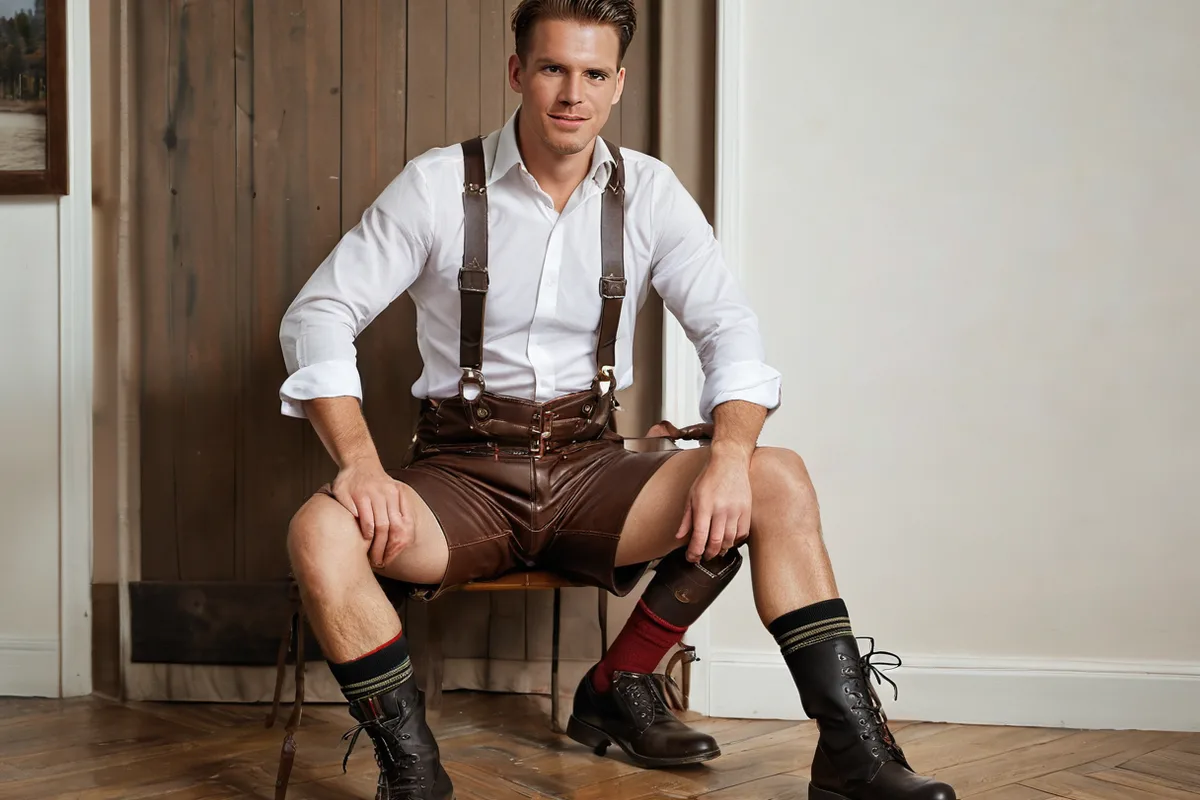
Lederhosen (for men) are leather breeches, traditionally knee-length (Bundhosen) or shorter, worn with suspenders (Hosenträger), a checked or white shirt, and sturdy shoes. Good leather ages beautifully and lasts decades.
Dirndl sizing and silhouette guide
German and Austrian sizing runs small — go up one or two sizes from your usual UK or US size. A size 38 in a Munich Trachten shop is closer to a UK 12 or US 8. When in doubt, size up: a bodice that gaps is unfixable on the day, while a slightly loose one can be laced tighter.
The four parts and what to look for
- Bodice (Mieder): should be firm and structured, not stretchy jersey fabric. It should close completely without the fabric pulling or the lacing straining. You should be able to raise your arms above your head.
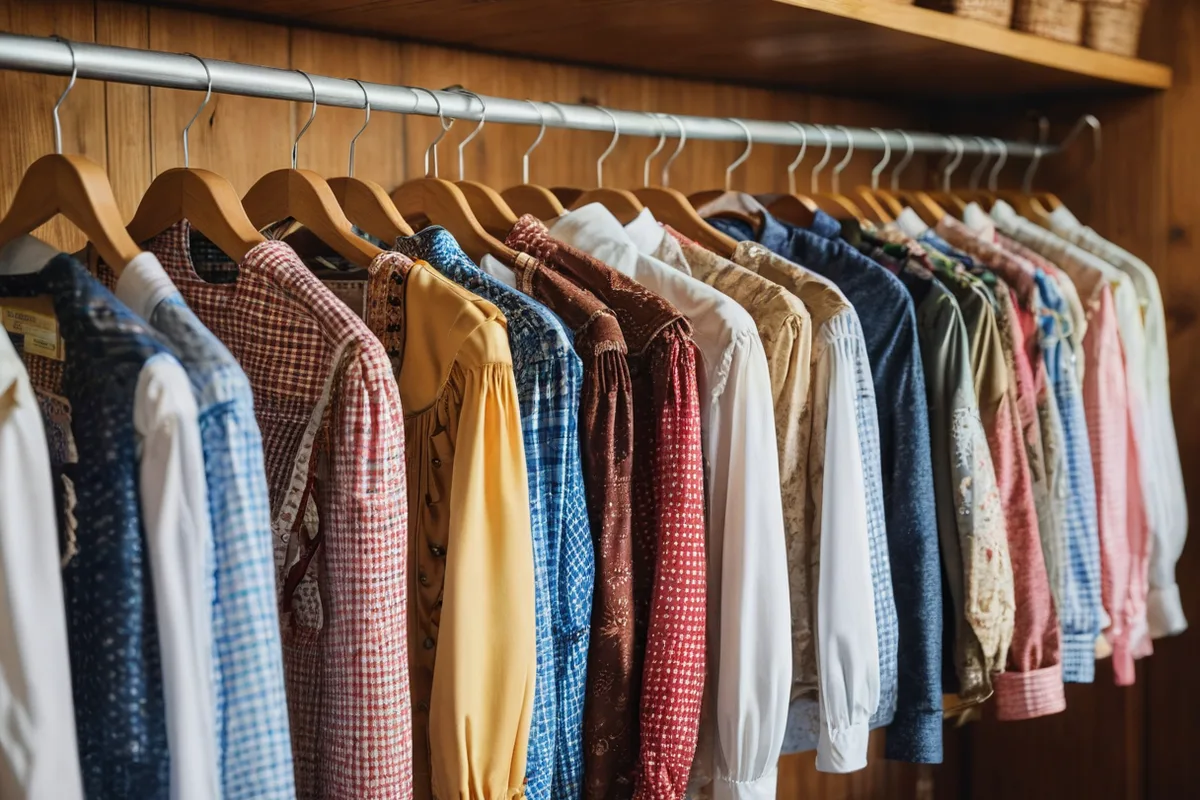
- Blouse (Dirndlbluse): traditionally white or cream cotton or lace, worn underneath the bodice. Buy it separately from the dress — a synthetic blouse under a quality bodice undermines the whole look. The neckline varies from demure to low-cut; traditional is a gentle scoop or square neck.
- Skirt: midi length (knee to mid-calf) is the traditional and most versatile option. Mini dirndls are popular but less authentic and more costume-adjacent. The skirt should sit at the natural waist, not the hips.
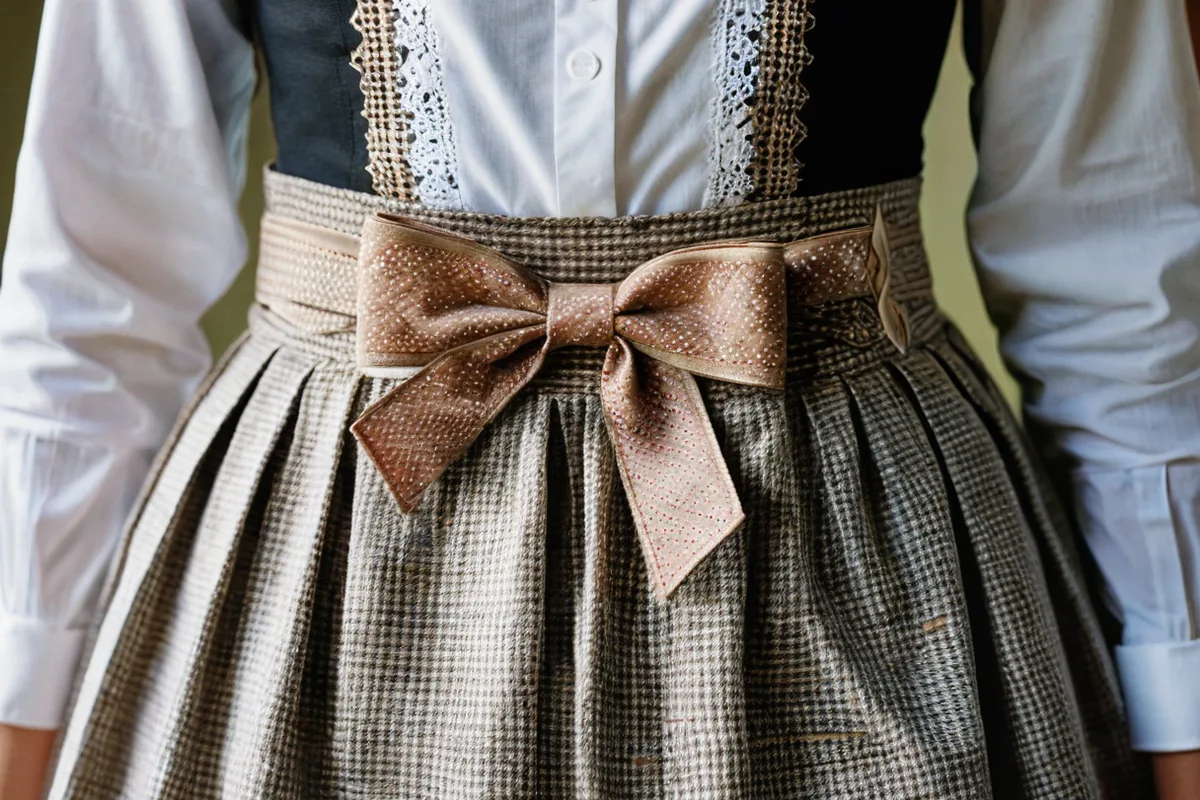
- Apron: should be the same length as the skirt or slightly shorter — never longer than the hem. The ties need to be long enough to wrap around and bow securely at your preferred side.
Two silhouettes
A-line (flares from the waist) is more forgiving across body types and easier to sit in on a bench for hours. Fitted/princess cut is more dramatic and traditional, hugging the hips and requiring a more precise fit. Try both if you can; the right one depends more on your frame than your preference.
Lederhosen: leather vs synthetic and what to look for
The single most visible mistake at Oktoberfest is synthetic “pleather” lederhosen. They don’t breathe, they look shiny under tent lighting, and they stay stiff while real leather molds to your body and gets better with every wear.
Leather types
- Hirschleder (deerskin): the traditional premium choice — soft, supple, ages beautifully. Expect to pay €300+.
- Rindleder (cowhide): stiffer initially but durable and more affordable. Breaks in over a few wears.
- Genuine suede: common at the mid-range price point (€100–200). Good choice for a first pair.
- Synthetic/polyester: avoid. The savings aren’t worth it.
Short vs knee-length
Short lederhosen (above the knee, sometimes called Kurze Lederhosen) are the classic Oktoberfest look. Knee-length (Kniebundhosen) are more formal and more common in traditional Alpine settings — perfectly acceptable at the Wiesn but slightly less common among younger crowds.
The shirt and suspenders
The Trachtenhemd (checked shirt) is non-negotiable. Go for blue/white, green/white, or red/white checks — the bolder the better. A plain polo or Oxford shirt under lederhosen looks wrong immediately. Suspenders (Hosenträger) should be wide leather straps, not thin elastic — they hold the lederhosen at the natural waist, and elastic straps sag and look cheap. The waistband should sit at the natural waist, not the hips.
Shoes and accessories by outfit
| Outfit | Shoes | Bag | Head/extras |
|---|---|---|---|
| Dirndl | Haferlschuhe, Mary Janes, ankle-strap flats, or block heels up to 5cm. No stilettos — the Wiesn grounds are cobblestone and packed gravel. | Small Trachtentasche (embroidered flap bag) or nothing — slip your cash and phone into the bodice pocket. | Flower crown (Blumenkranz) — universally worn and festive. A Trachten cardigan for cool evenings. |
| Lederhosen | Haferlschuhe (traditional low ankle boot in brown leather) or plain dark leather lace-ups. White trainers are common but inauthentic. | Ledertasche (small leather pouch worn on the belt) for cash and cards. | Tyrolean hat (Trachtenhut) with a feather — optional but excellent. Wool Loferl (calf warmers) instead of full socks. |
Haferlschuhe work for both outfits and are the one footwear upgrade worth making if you’re buying in Munich — they’re comfortable, traditional, and last as long as the lederhosen.
What not to wear
A few things that mark you as someone who didn’t bother:
- Cheap polyester lederhosen — shiny under tent lighting, stiff all day, and recognisable at twenty paces. Buy one real suede pair instead.
- Stilettos or fashion heels — the grounds are gravel and packed earth, the benches require climbing, and you’ll be on your feet for eight hours. Block heels up to 5cm are fine.
- Large backpacks — most tents prohibit bags larger than A4 size on busy days. A small cross-body bag or belt pouch is all you need.
- Sports jerseys, logo tees, or casual polo shirts under a dirndl bodice — a proper Dirndlbluse is the single detail that separates a real outfit from a costume.
- Comedy accessories — inflatable steins, novelty hats with “O’zapft is!” printed on them, lederhosen onesies. These exist. You don’t have to buy them.
When to wear Tracht (and what if you don’t)
There is no “too formal” at Oktoberfest. Traditional dress is appropriate every day and every hour the festival is open. A few patterns worth knowing:
- Opening weekend (Sept 19–20): the highest density of Tracht across the grounds — locals and experienced visitors who know to dress the part from day one.
- Weekdays: still a strong majority of Tracht among tent-goers, with slightly more casual dress mixed in from day visitors and tourists who didn’t plan ahead.
- Final weekend (Oct 3–4): emotional, festive, and very well-dressed — regulars pull out their best outfits for the closing.
If you arrive without Tracht, you are still welcome everywhere — no one will turn you away. But you will notice the difference in how quickly locals invite you into conversation and how naturally you fit into the tent. A dirndl or lederhosen is an instant icebreaker, and that’s part of why people wear one.
How much should you spend?
You don’t need to overspend — but you do need a real one, not a flimsy Halloween-style costume that everyone can spot across the tent.
- Dirndl: a good-quality outfit typically runs around $150–$300. Premium, long-lasting pieces start around €500+.
- Lederhosen: genuine leather ranges from about €100 to €3,000 depending on leather quality and craftsmanship. You don’t need the top of that range — but avoid the bargain-bin “pleather” versions.
The rule of thumb: buy the best real one you can afford. It’ll look better, feel better, and last for many Oktoberfests.
What quality looks like
Materials matter. Quality dirndls use cotton, linen, silk, velvet, or good blends; aprons are typically silk, satin, linen, or cotton. For lederhosen, look for genuine suede or smooth leather (often goat, deer, or cowhide) with real, hand-finished stitching.
Fit is everything. A dirndl bodice should be snug but not straining — you should be able to move your arms freely, and the lacing or zip should close without the fabric pulling. The skirt should sit at the natural waist. For lederhosen, the breeches should sit comfortably with the suspenders adjusted so they don’t dig in.
The apron bow — what it secretly says
Here’s the detail that delights every first-timer: the position of the bow on a dirndl apron signals relationship status.
- Tied on the left = single (and open to mingling)
- Tied on the right = taken (married or in a relationship)
- Tied in the center, front = traditionally signals a maiden/virgin (or undecided)
- Tied at the back = widowed, or it’s the waitstaff
Tie it intentionally — Bavarians absolutely read it, and so do hopeful strangers across the table.
A quick fit checklist before you buy
- Bodice: snug, arms move freely, lacing/zip closes without strain.
- Skirt: sits at the natural waist, not the hips.
- Apron: the same length as the skirt or slightly shorter — never longer than the hem, and within a few inches of it. Long enough ties to wrap around and bow securely.
- Blouse: sits neatly under the bodice; sleeve length to taste (puff, half, or long).
- Lederhosen: suspenders adjusted, breeches comfortable seated and standing on a bench.
Don’t forget the accessories
The outfit is only half of it. To complete the look:
- Men: a checked or white Trachten shirt, Haferl shoes (traditional Bavarian leather shoes), calf socks or Loferl, and optionally an alpine hat.
- Women: the right blouse, comfortable flats or low heels (you’ll be on your feet and standing on benches — skip the stilettos), and simple jewelry. A Trachten cardigan or shawl is smart for cool September evenings.
Where to buy
- Online (most convenient): order ahead so it arrives in time to check the fit and exchange if needed. This is the easiest route for international visitors. (See our recommended picks below.)
- In Munich: the city has everything from high-end Trachten houses to department stores and even vintage/second-hand dirndl shops for a one-of-a-kind, sustainable find. Buying in Munich also means expert help with fit — but expect crowds and higher prices in festival season.
- Avoid: ultra-cheap “sexy Oktoberfest costume” sets. They photograph badly, fall apart, and mark you instantly as a tourist.
The bottom line
Buy one good, real piece that fits properly, add the right accessories, tie your apron bow with intent, and wear comfortable shoes. Do that and you’ll look — and feel — like you belong on the bench, Maß in hand, singing along to Ein Prosit.
What’s next after Oktoberfest? Bavaria’s Christmas markets start in late November. See our guides to Nuremberg, Rothenburg and Regensburg.
Newly kitted out? Pair this with our First-Timer’s Guide for etiquette and what to expect, and our Beer Tent Guide to pick the perfect tent.
What to wear at Oktoberfest: frequently asked questions
What do you wear to Oktoberfest?
Most guests, locals included, wear traditional Bavarian dress, or Tracht: a dirndl (a fitted-bodice dress with a blouse and apron) for women, and lederhosen (leather breeches with suspenders and a checked shirt) for men. You don’t have to dress up, but doing so is what makes the festival feel like a shared celebration rather than a spectator sport.
Do you have to wear a dirndl or lederhosen at Oktoberfest?
No, it isn’t required — you can attend in ordinary clothes. But since the large majority of guests dress in Tracht, wearing it is the easiest way to feel part of the celebration rather than standing out as a tourist, and it’s worth the investment if you plan to go more than once.
Which side do you tie a dirndl bow on?
The position of the bow on a dirndl apron signals relationship status: tied on the left means single, tied on the right means taken, and tied at the centre front traditionally signals a maiden or someone undecided. A bow tied at the back means widowed — or that you’re waitstaff, so tie it with intent.
What are the best websites for authentic lederhosen and dirndl?
Buy from a dedicated Trachten retailer rather than a generic costume site, and look for genuine leather (goat, deer or cowhide) for lederhosen and cotton, linen or silk for a dirndl bodice and apron, with real hand-finished stitching. Order early enough to check the fit and exchange if needed — international shipping for festival season gets slower as September approaches.
What are reliable services for renting traditional Bavarian outfits?
Munich itself is the most reliable place to rent — the city has dedicated Trachten shops, department stores, and even vintage or second-hand dirndl shops that offer rentals or affordable one-off pieces alongside sales, particularly in the Altstadt. Renting in person also means you get help with fit on the spot, though expect crowds and higher prices as the festival gets closer, so go early in your trip rather than the day you plan to wear it.
How much should you spend on a dirndl or lederhosen?
Budget around €150–€300 for a good-quality dirndl, with premium, long-lasting pieces starting near €500. Genuine leather lederhosen range from roughly €100 to €3,000 depending on the leather and craftsmanship — you don’t need the top of that range, just a real leather pair rather than a cheap synthetic costume.
Can I rent a dirndl or lederhosen in Munich?
Yes — several dedicated rental shops operate near the Wiesn and in Munich’s Altstadt. Expect to pay €40–80 per day for a decent quality outfit including blouse or shirt. Book in advance for Oktoberfest dates; walk-in availability dries up by the first weekend. Renting in person has the advantage of fitting help on the spot. The main drawback: rental dirndls are well-worn, so the fit is less precise than a purchased one.
What should men wear to Oktoberfest?
Lederhosen (leather breeches), a checked Trachtenhemd shirt, wide leather suspenders, and Haferlschuhe or dark leather shoes. The checked shirt is the most commonly missed element — a plain shirt under lederhosen looks immediately wrong. Blue/white, green/white, and red/white checks are all correct. Calf Loferl (wool calf warmers) instead of full socks are optional but authentic.
Is it worth buying a dirndl or lederhosen just for one visit?
Yes, if you buy a real one. A quality dirndl or leather lederhosen is not a single-use item — it lasts decades with minimal care, travels well, and works for any German or Austrian festival, beer garden, or Bavarian-themed event. The outfit that feels like an extravagance before the first Oktoberfest usually becomes the thing you wear every time. The ones that feel like a waste of money are always the cheap costume versions that fall apart or look wrong.
Updated August 2026.
Leave a Reply