Category: Food & Beer

  • Oktoberfest Beer Guide: The Six Breweries & What to Order

    Oktoberfest Beer Guide: The Six Breweries & What to Order

    Beer isn’t just served at Oktoberfest — it’s the whole point. But there’s more to it than ordering a giant stein and shouting “Prost!” (though that’s most of it). Here’s what you’re actually drinking, who brews it, how strong it is, and how to order like you’ve done this before.

    Only six breweries — and that’s the law

    By strict tradition and Munich city rules, only beer brewed within the Munich city limits by the six historic breweries may be served at Oktoberfest. These are:

    • Augustiner — the oldest, a local favorite, and the only one still serving from wooden barrels at the festival.
    • Hacker-Pschorr — “Heaven of the Bavarians,” smooth and classic.
    • Hofbräu — the state-owned brewery, behind the famous Hofbräuhaus.
    • Löwenbräu — the “lion’s brew,” with the roaring lion mascot.
    • Paulaner — one of the best-known Munich names worldwide.
    • Spaten — historic, and the beer tapped at the opening ceremony.

    All six brew to the Reinheitsgebot, the centuries-old German “beer purity law,” using only water, malt, hops, and yeast.
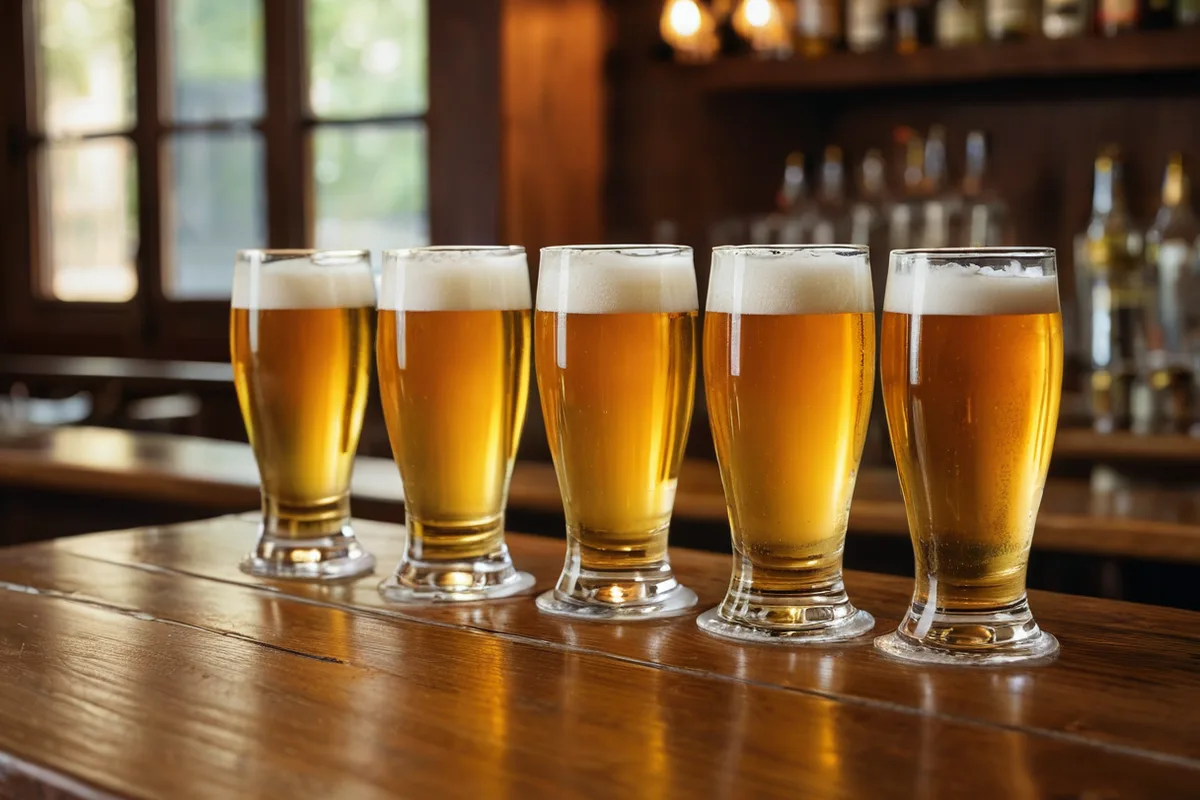
    Six Munich beers served at Oktoberfest, unlabeled glasses

    What is Oktoberfestbier?

    The beer poured at the festival is a special Oktoberfestbier (historically a Märzen-style lager). It’s golden to amber, full-bodied, smooth, and brewed a little stronger than everyday lager specifically for the festival.

    How strong is it? Oktoberfestbier typically runs around 5.8–6.4% ABV — noticeably stronger than the ~5% you might expect. Combined with the serving size, it sneaks up on you.

    The MaĂź: beer by the liter

    There’s only one size that matters: the MaĂź (pronounced “mahss”) — a full one-liter glass stein. That’s about 2.1 US pints in a single glass, and it’s heavy when full (the glass alone is about a kilo). There are no half-liters in the big tents.

    A few ordering notes:

    • You must have a seat to be served. No seat, no MaĂź.
    • Flag down your server (often carrying 10+ steins at once) rather than going to a bar.
    • Tip by rounding up — €1–2 per MaĂź is customary and keeps the beer coming.
    • Cash only in most tents.
    • Not a beer drinker? Most tents also have Radler (beer + lemonade), wheat beer, soft drinks, and water; the Weinzelt serves wine.
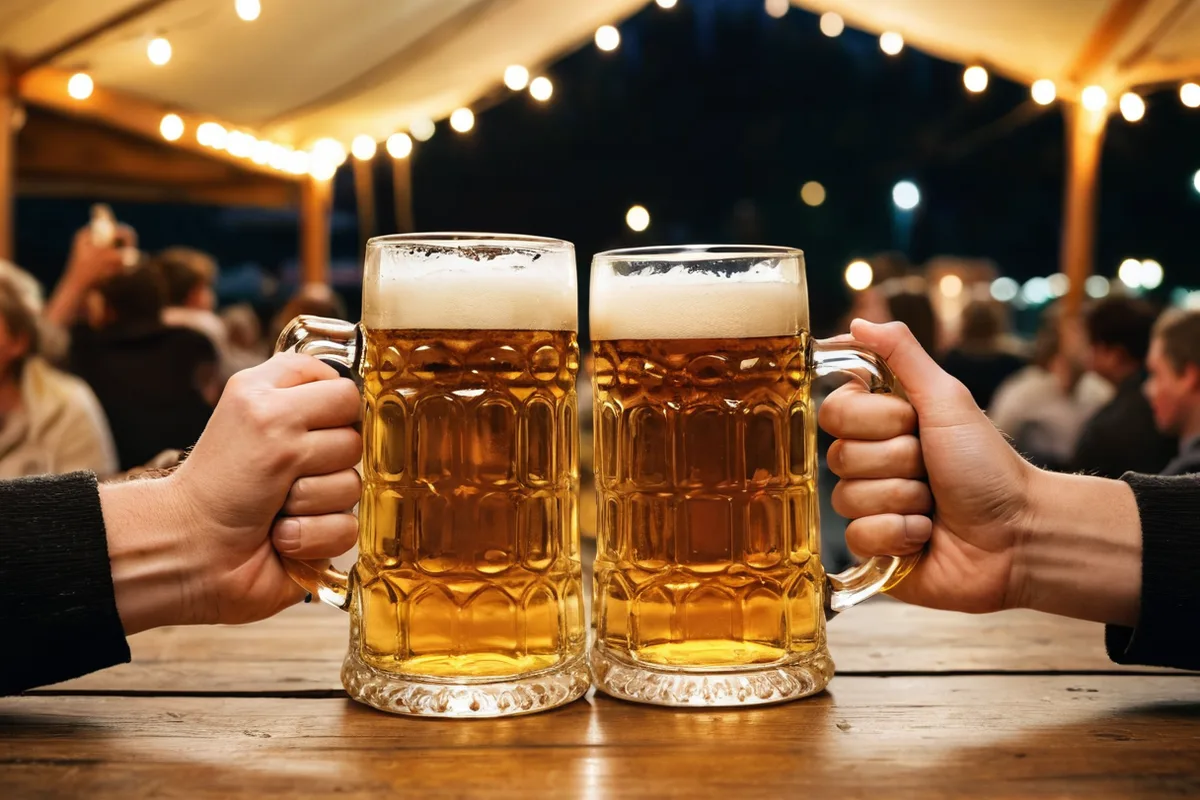
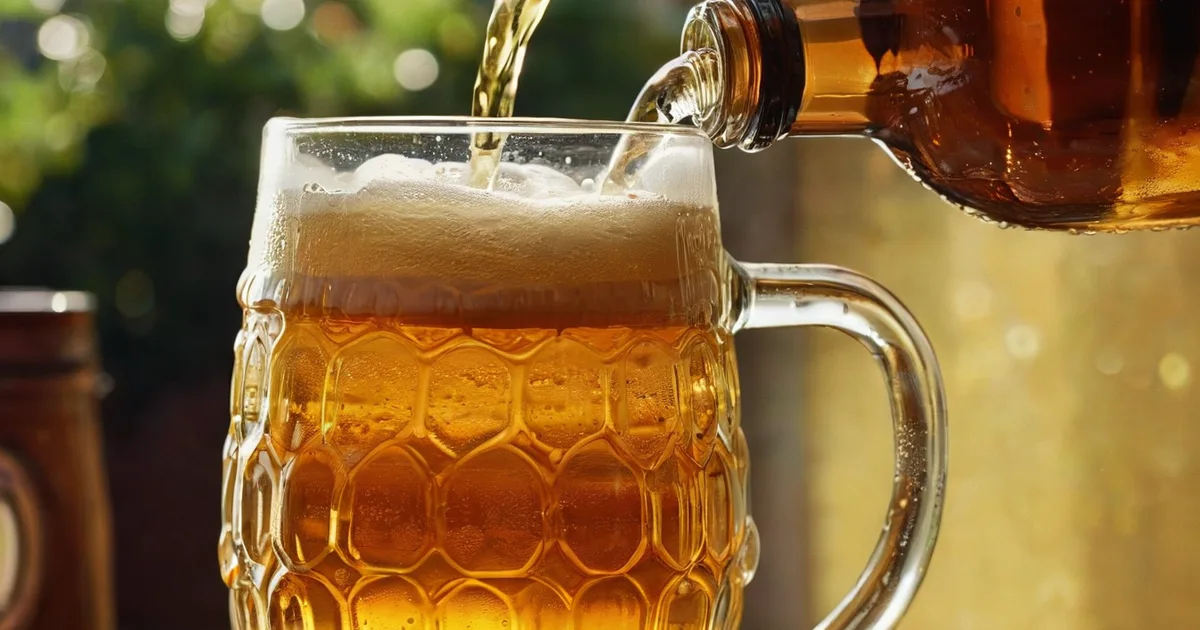
    A toast with MaĂź steins at Oktoberfest

    What a MaĂź costs

    For 2026, a Maß costs €14.80 to €15.90, averaging €15.61 across the 14 large tents — cheapest at the Augustiner-Festhalle (€14.90), priciest at Armbrustschützen-Festzelt, Bräurosl and Löwenbräu-Festzelt (€15.90). Add your tip on top. See our dates & schedule guide for the full tent-by-tent price table.

    How to toast like a local

    When the band strikes up “Ein Prosit der GemĂĽtlichkeit,” everyone stands, raises their MaĂź, and toasts together — it happens constantly. The etiquette:

    1. Raise your stein and find people to clink with.
    2. Make eye contact as you clink — skipping it is considered bad luck (and bad manners).
    3. Say “Prost!” and take a drink.
    4. Set the stein down before the next song.

    And the golden rule: drink at your own pace. A liter at a time, at 6%, adds up fast — alternate with water and food, and you’ll last the whole day.


    Prost! Next, pick your spot with our Beer Tent Guide, line your stomach with our Food Guide, and get the lay of the land in our First-Timer’s Guide.

    Oktoberfest beer: frequently asked questions

    Which breweries serve beer at Oktoberfest?

    Only six breweries are permitted to pour at Oktoberfest, by long tradition and Munich city rule: Augustiner, Hacker-Pschorr, Hofbräu, Löwenbräu, Paulaner and Spaten. All six brew within Munich’s city limits and follow the Reinheitsgebot, Germany’s centuries-old beer purity law.

    How strong is Oktoberfest beer?

    Oktoberfestbier typically runs 5.8–6.4% ABV, noticeably stronger than an everyday 5% lager. Combined with being served by the full litre, it’s easy to underestimate how quickly that adds up — pace yourself and alternate with water.

    What is a MaĂź?

    A MaĂź is the one-litre glass stein that all Oktoberfest beer is served in — about 2.1 US pints in a single glass, with the empty glass alone weighing close to a kilo. There’s no half-litre option in the big tents; a MaĂź is the only size on the menu. Taking the tent glass home counts as theft, so buy a souvenir stein instead.

    How much is a beer at Oktoberfest 2026?

    A Maß costs between €14.80 and €15.90 in 2026, averaging €15.61 across the festival. The Augustiner-Festhalle is the cheapest of the 14 large tents at €14.90, while Armbrustschützen-Festzelt, Bräurosl and Löwenbräu-Festzelt are joint most expensive at €15.90 — add €1–2 per Maß for the tip.

    What is Oktoberfestbier, or Märzen?

    Oktoberfestbier is the special festival beer brewed by the six official breweries specifically for the Wiesn — historically a Märzen-style lager, golden to amber, full-bodied and brewed a little stronger than everyday beer. It’s the only style served in the big tents’ MaĂź steins.

    Can you get anything other than beer at Oktoberfest?

    Yes. Most tents also pour Radler (beer mixed with lemonade), wheat beer, soft drinks and water for non-beer drinkers, and the Kufflers Weinzelt serves sixteen wines and sparkling wines alongside Paulaner wheat beer for a stylish, slightly older crowd.

    Updated August 2026.
  • Oktoberfest Food Guide: What to Eat (and What It Costs)

    Oktoberfest Food Guide: What to Eat (and What It Costs)

    Oktoberfest runs on beer — but the food is half the joy, and pacing yourself with a proper Bavarian meal is the secret to surviving a full day in the tents. Here’s what to order, what it costs in 2026, and how to eat well whether you’re splurging inside a tent or grabbing something great from a stall.

    The classics you have to try

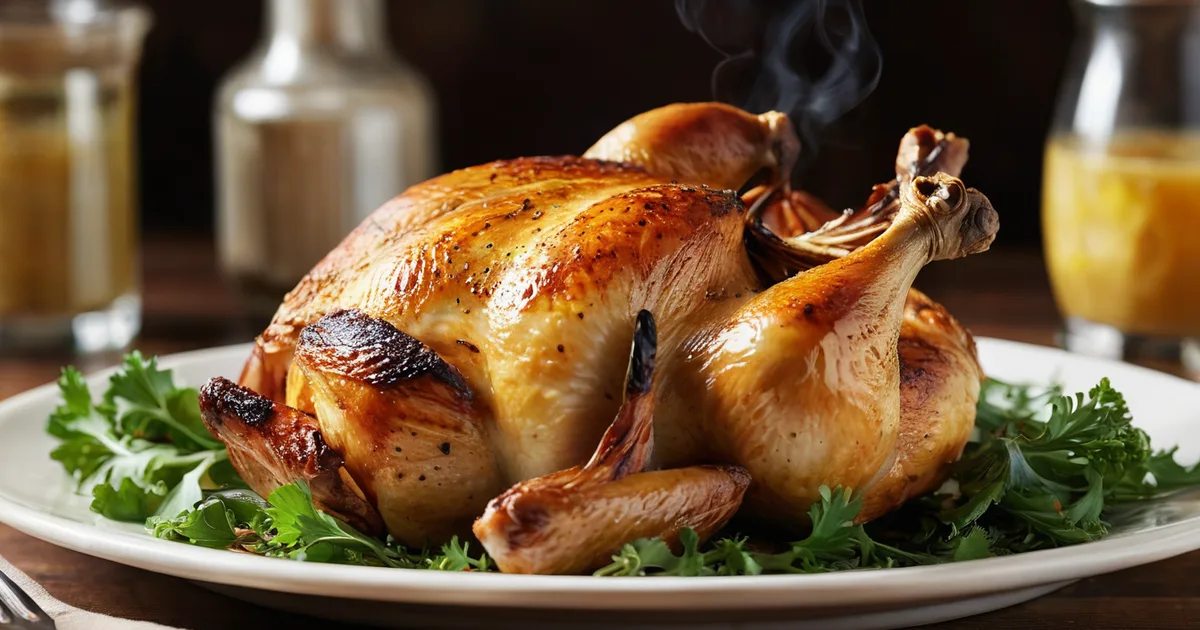
    Hendl (roast chicken) — The undisputed king of Oktoberfest. Golden, crispy-skinned half-chickens turn slowly on the spit and arrive juicy and perfectly salted. If you order one thing, order this.

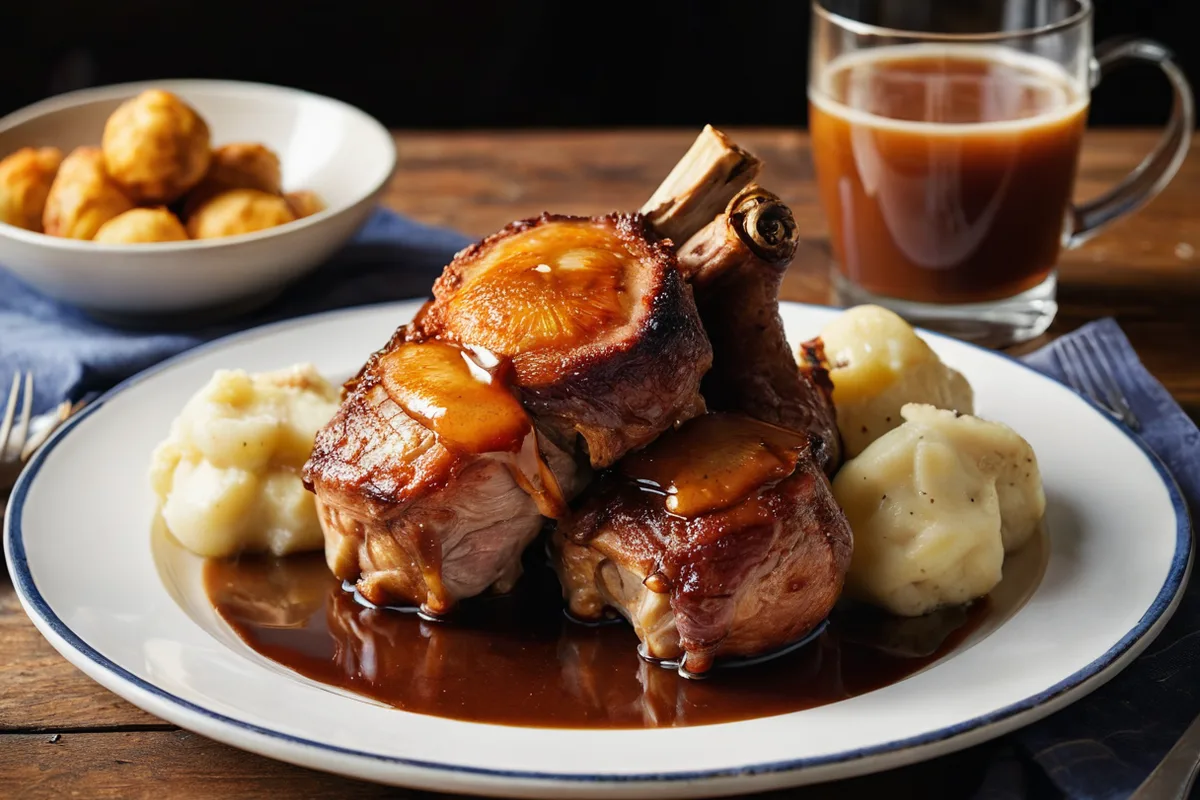
    Schweinshaxe (pork knuckle) — A Bavarian heavyweight: slow-roasted pork knuckle with shatteringly crisp crackling and rich meat inside, usually served with potato dumplings (Knödel), sauerkraut, and gravy. Hearty enough to share.

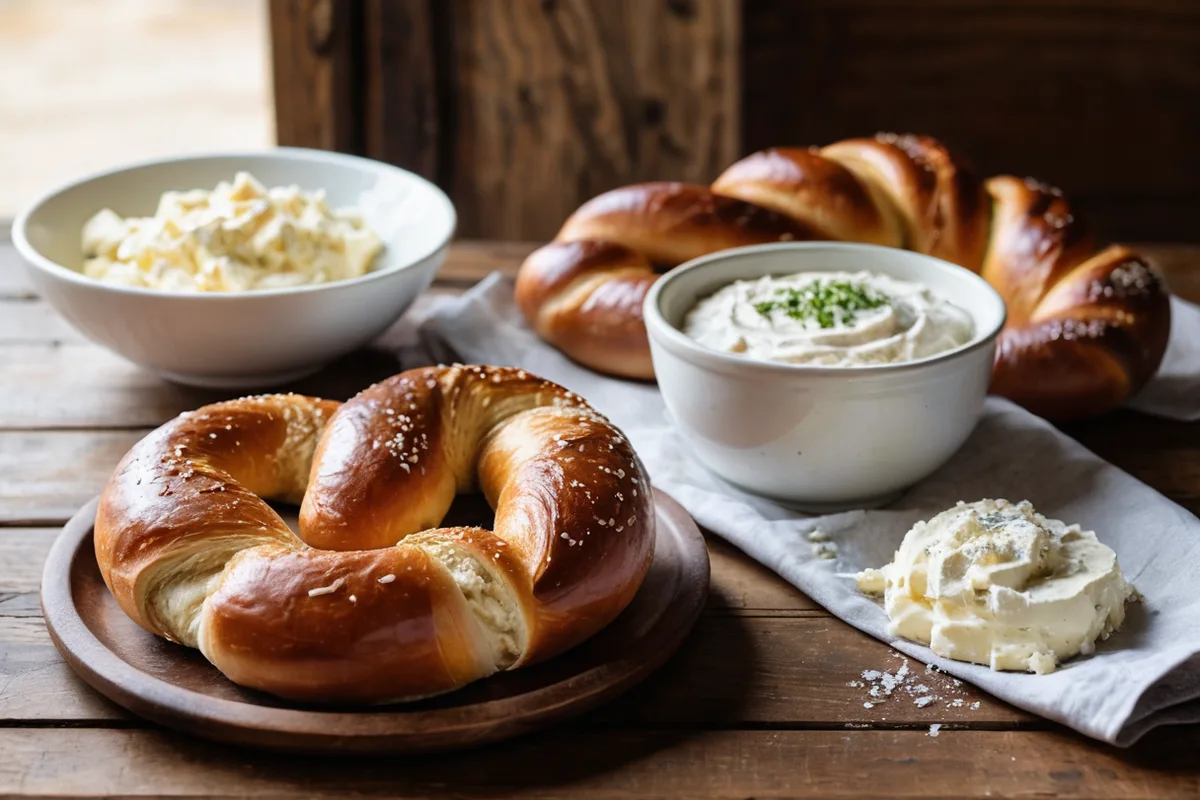
    Brezn (giant pretzel) — The iconic soft pretzel: chewy, golden, dusted with coarse salt, and big enough to be a meal-starter on its own. Perfect with beer and a smear of Obatzda (a spiced Bavarian cheese spread).

    Steckerlfisch (grilled fish on a stick) — Whole mackerel or trout grilled over open flames until smoky and salty. A lighter, beloved alternative to all the pork — the Fischer-Vroni tent is famous for it.

    WeiĂźwurst (white sausage) — The traditional Bavarian breakfast: mild veal sausages gently simmered, served with sweet mustard and a pretzel. By custom they’re eaten before noon — and you don’t eat the skin.

    Würstl (sausages) — Bratwurst and other grilled sausages, usually served with sauerkraut and mustard. A reliable, quicker option.

    Käsespätzle — Bavaria’s answer to mac and cheese: soft egg noodles layered with melted cheese and crispy onions. The go-to comforting vegetarian dish.

    Don’t skip dessert: apple strudel (warm, with vanilla sauce), Kaiserschmarrn (shredded, caramelized pancake with fruit compote), and Gebrannte Mandeln (candied roasted almonds) from the stalls.

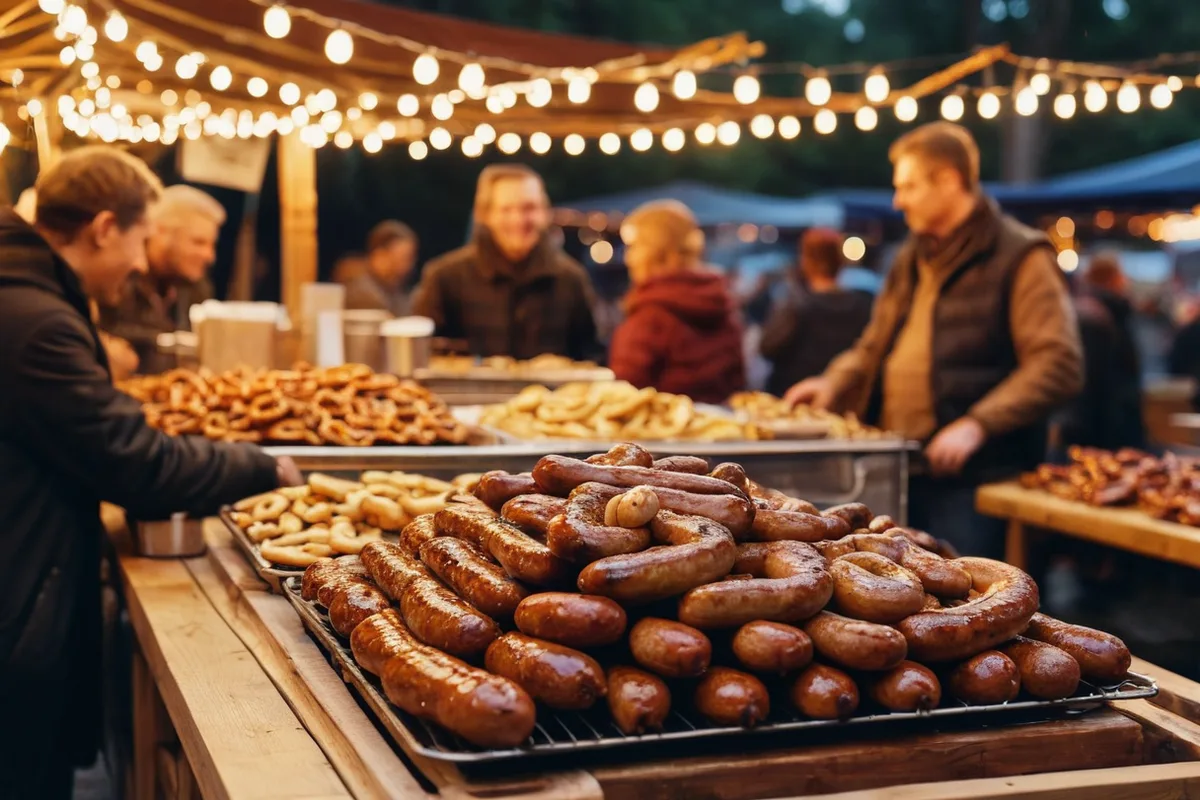
    An Oktoberfest food stall with grilled sausages

    What it costs in 2026

    Prices climb every year, but as a guide for 2026:

    Dish Approx. price
    Half chicken (Halbes Hendl) €16–€20
    Pork knuckle (Schweinshaxe) €22–€32
    Bratwurst plate €12–€18
    Giant pretzel (Brezn) €5–€8
    Apple strudel €6–€10

    Inside the tents, expect €16–€28 for a main. The smart budget move: eat from the food stalls outside the tents, where a great meal runs about €8–€16.

    Cash is king. Most tents and stalls run on cash for food and drink. Bring enough, and have small notes ready for tips.

    Giant pretzel with Obatzda cheese spread

    Eating on a budget

    • Stalls over tents for mains — same Bavarian flavors, lower prices.
    • Share the big plates — a Schweinshaxe easily feeds two.
    • Pretzel + Obatzda makes a cheap, filling snack with your beer.
    • Eat a real breakfast (WeiĂźwurst and a pretzel) so you’re not buying full meals all day.
    Schweinshaxe pork knuckle plate at Oktoberfest

    Dietary notes

    It’s a meat-and-potatoes festival, but you won’t go hungry if you don’t eat meat: Käsespätzle, pretzels, Obatzda, potato dishes, and Kaiserschmarrn are all vegetarian. Vegan and gluten-free options are limited inside the tents — plan to graze the stalls, where choices have grown in recent years.


    Hungry for more? See our Beer Tent Guide for which tent serves the best food, our First-Timer’s Guide for tent etiquette, and the Oktoberfest 2026 Dates & Schedule to plan your visit.

    Oktoberfest food: frequently asked questions

    What food should you try at Oktoberfest?

    Start with Hendl, a golden roast half-chicken and the undisputed king of Oktoberfest food, and Brezn, the giant salted pretzel that pairs with every beer. Beyond that, try Schweinshaxe (crackling-skinned pork knuckle with dumplings and sauerkraut), Steckerlfisch (grilled fish on a stick, a Fischer-Vroni speciality), and Käsespätzle for a hearty vegetarian option. If you want someone to walk you through it, Munich food and beer tours cover the classics in one sitting.

    How much does food cost at Oktoberfest 2026?

    Inside the tents, mains run roughly €16–€28 — a half chicken is €16–€20 and a pork knuckle €22–€32. The food stalls outside the tents serve the same Bavarian classics for less, typically €8–€16 for a full meal.

    Are there vegetarian or vegan options at Oktoberfest?

    Yes for vegetarians — Käsespätzle, pretzels with Obatzda, potato dishes and the Kaiserschmarrn dessert are all meat-free and widely available. Vegan and gluten-free choices are more limited inside the tents themselves, so plan to graze the outdoor food stalls, where the selection has grown in recent years.

    What is WeiĂźwurst, and when do you eat it?

    WeiĂźwurst is a mild, gently simmered veal sausage, traditionally eaten as breakfast with sweet mustard and a pretzel. By long custom it’s eaten only before noon, and you peel off and discard the skin rather than eating it.

    Is the food cheaper inside the tents or at the stalls?

    The outdoor food stalls are cheaper — a full meal runs about €8–€16, compared with €16–€28 for a similar main inside a tent. The stalls serve the same Bavarian classics, so choosing them over a tent meal is one of the easiest ways to cut your daily budget.

    Can you bring your own food onto the Wiesn?

    The festival grounds themselves are open to walk through freely, but outside food generally isn’t allowed inside a tent once you’re seated. Order from that tent’s kitchen instead, or graze the outdoor stalls between tents, where a full meal is cheaper anyway.

    Updated August 2026.

  • Oktoberfest Beer Tent Guide: How to Choose the Right Tent

    Oktoberfest Beer Tent Guide: How to Choose the Right Tent

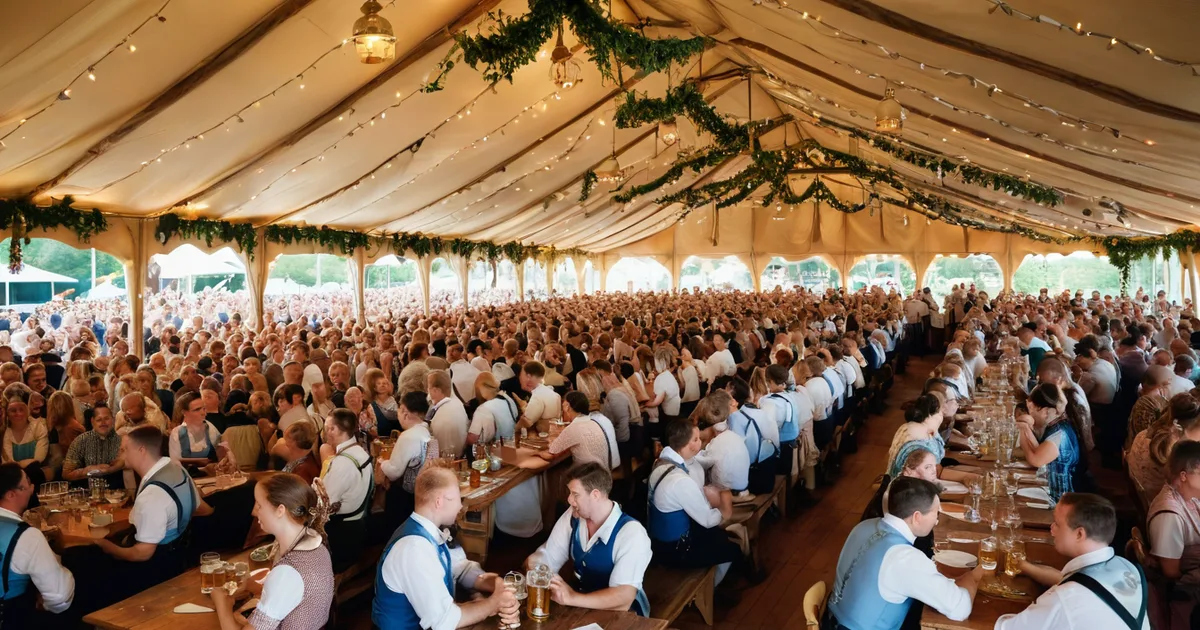
    The beer tents are Oktoberfest. Walk the Theresienwiese and you’ll pass roller coasters, sausage stalls, and souvenir stands — but the heart of the festival beats inside the enormous Festzelte, where brass bands play, benches sway, and thousands of people raise one-liter steins together. Choosing the right tent makes or breaks your day, and they are far from interchangeable. Here’s how to pick.

    How Oktoberfest tents work

    A few things every first-timer should know:

    • There are 14 large tents, each run by a different host and pouring one of Munich’s six festival beers. Each seats between roughly 5,000 and 10,000 people indoors and out.
    • Entry is free, but you can only be served beer if you have a seat at a table. No seat, no MaĂź.
    • On weekends and most evenings the popular tents fill up and close their doors when full — sometimes by late morning. Arrive early or reserve.
    • Beyond the big 14, there are charming smaller tents and the historical Oide Wiesn worth exploring.
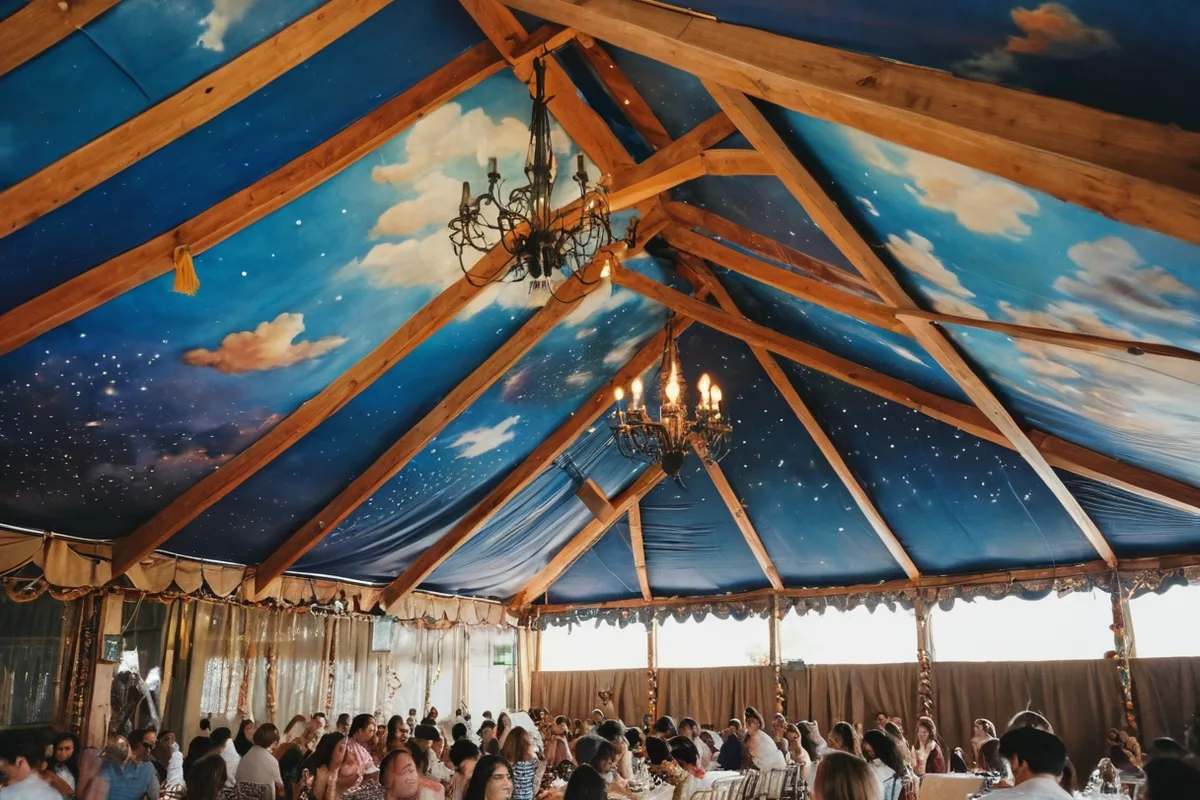
    Painted sky ceiling inside a Munich beer tent

    The 14 big beer tents at a glance

    Schottenhamel-Festhalle — The most famous of all: this is where Munich’s mayor taps the first keg and shouts “O’zapft is!” to open the festival. Traditional by day, it turns into a young, high-energy party crowd in the evenings. Beer: Spaten.

    Hofbräu-Festzelt — The international party tent. Backed by the world-famous Hofbräuhaus, it draws huge crowds of visitors from the US, Australia, Italy and beyond, with a standing-room area in front of the band and pop hits alongside the oompah. Loud, rowdy, fun. Beer: Hofbräu.

    Hacker-Festzelt — “Himmel der Bayern” (Heaven of the Bavarians), with a famous painted sky ceiling and a removable roof. A brilliant balance of tradition and party, with a rock band that gets the benches dancing at night. Beer: Hacker-Pschorr.

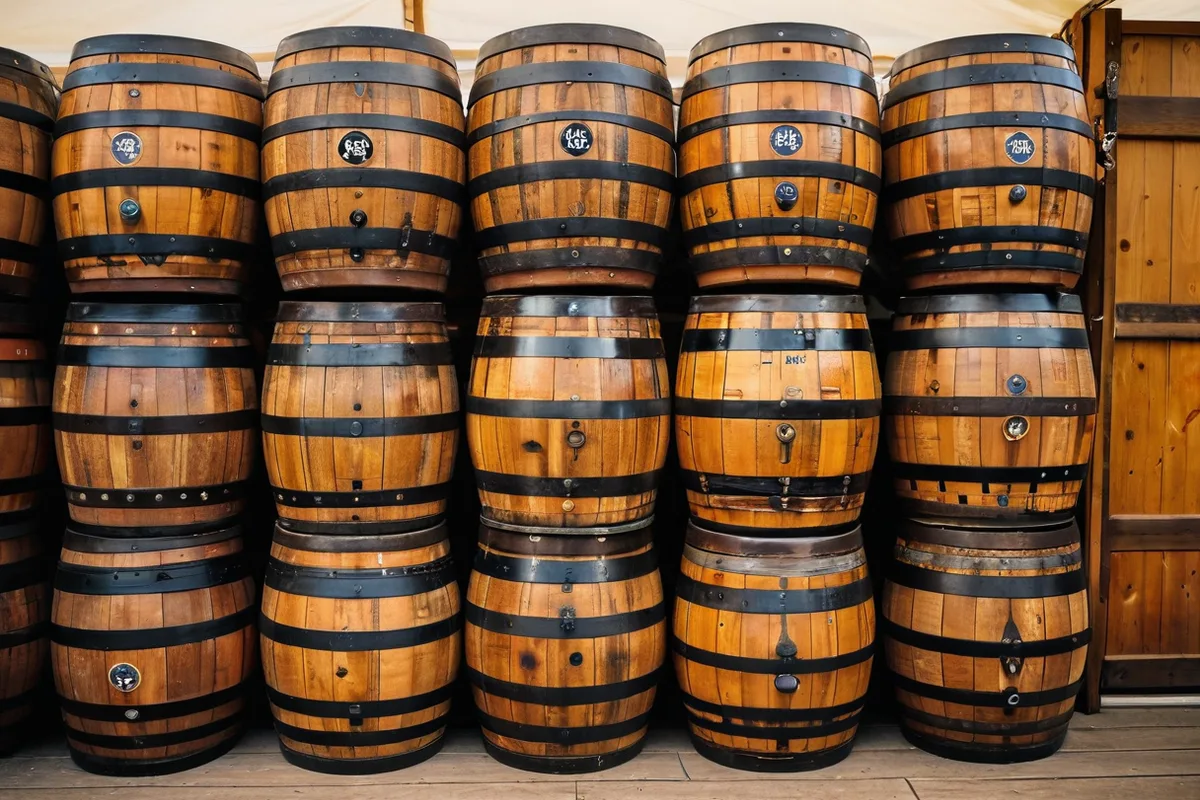
    Augustiner-Festhalle — The local favorite and the most traditional big tent. Augustiner is the only brewery still serving from old-fashioned wooden barrels (Hirschen), and the atmosphere is warm, family-friendly, and authentically Bavarian. Beer: Augustiner.

    Paulaner Festzelt — Towering and beautifully decorated, with a spinning Paulaner sign above. Lively, popular, and a reliably great party in the evenings. Beer: Paulaner.

    Löwenbräu-Festzelt — Marked by the giant roaring lion above the entrance who periodically bellows “Löööwenbräu!” A favorite of football fans and a solid all-rounder. Beer: Löwenbräu.

    Marstall — One of the newer big tents, with an elegant equestrian (horse) theme and a carousel-style band stage. Polished and slightly upscale. Beer: Spaten.

    Ochsenbraterei — Famous for its spit-roasted ox; a sign tallies how many oxen have been eaten so far. Hearty, traditional, and great for food lovers. Beer: Spaten.

    Bräurosl (Pschorr-Bräurosl) — A huge, traditional tent with a famous yodeler and a friendly, less touristy feel. Beer: Hacker-Pschorr.

    Fischer-Vroni — Beloved for its Steckerlfisch (grilled fish on a stick) and a cozy, characterful atmosphere. Smaller and more relaxed than the party giants. Beer: Augustiner.

    Schützen-Festzelt — Tucked beneath the Bavaria statue, smaller and stylish, known for its roast suckling pig and a good mix of tradition and fun. Beer: Löwenbräu.

    Armbrustschützenzelt — Home to the Oktoberfest crossbow competition, with a classic Bavarian feel and a loyal following. Beer: Paulaner.

    Käfer Wies’n-Schänke — Smaller, chic, and famous as the celebrity tent, open latest of all (until 1 a.m.). Excellent food, harder to get into. Beer: Paulaner.

    Kufflers Weinzelt — The wine tent. Sixteen wines and sparkling wines plus Paulaner wheat beer; a stylish, slightly older crowd and also open until 1 a.m. Beer/Wine: Paulaner wheat beer + wines.

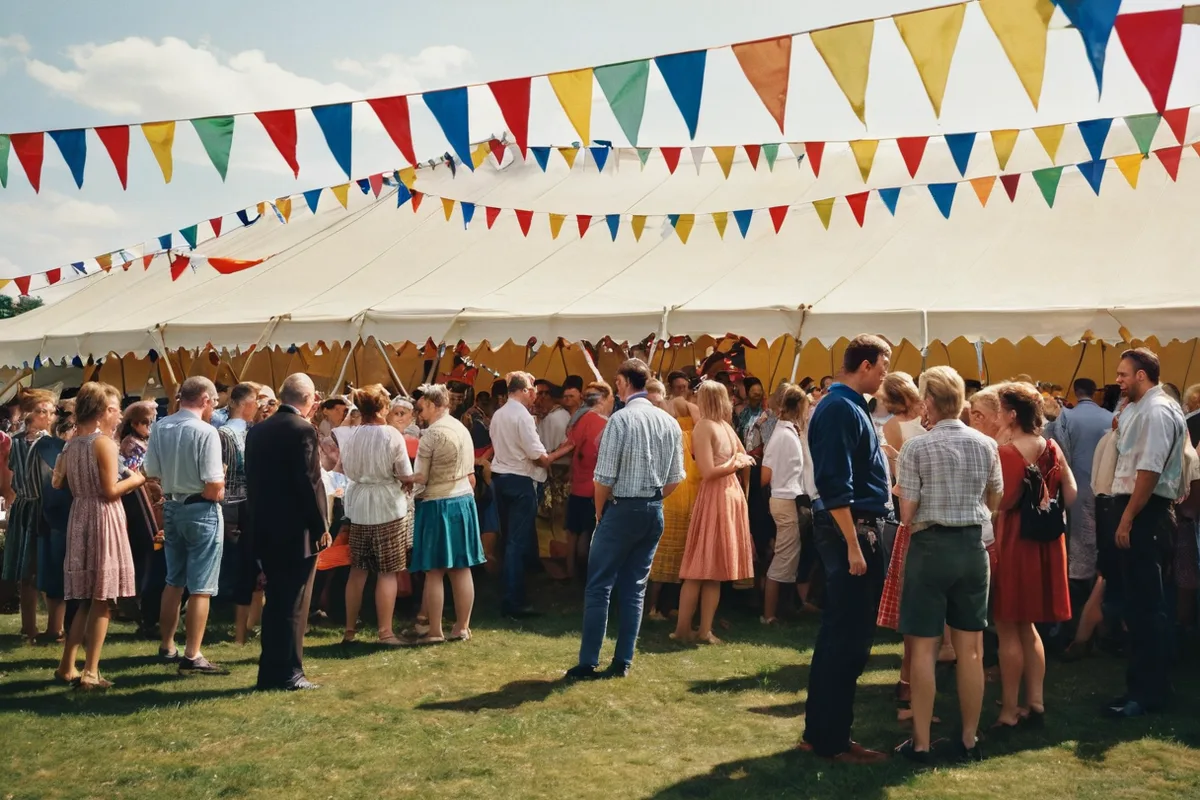
    Visitors queuing to enter an Oktoberfest beer tent

    Which tent should you choose?

    For the classic opening ceremony: Schottenhamel (book far ahead — it’s the hardest seat on opening Saturday).

    For a big international party: Hofbräu or Paulaner.

    For tradition and local atmosphere: Augustiner or Bräurosl.

    For food first: Ochsenbraterei (ox), Fischer-Vroni (fish), or SchĂĽtzen (suckling pig).

    For a quieter, classier evening: Käfer, Kufflers Weinzelt, or Marstall.

    For families during the day: Augustiner and the Oide Wiesn are calmest, especially before mid-afternoon. (Tuesdays are official family days with discounted rides.)

    Traditional wooden beer barrels at an Oktoberfest tent

    Tips for getting a seat

    • Reserve in advance if you can. Reservations are made directly with each tent, are usually free, but require buying a minimum number of food-and-beer vouchers — and the best slots sell out months ahead.
    • No reservation? Arrive on a weekday late morning or early afternoon, when walk-in tables are easiest.
    • Tables are shared — it’s normal and friendly to join strangers. A cheerful “Ist hier noch frei?” (“Is this seat free?”) goes a long way.
    • Cash is king for beer and food, and have small notes ready for tips.

    New to the Wiesn? Pair this with our first-timer’s guide and our article on what to wear. And check our Oktoberfest 2026 dates and schedule guide to plan which days to go.

    Oktoberfest beer tents: frequently asked questions

    How many beer tents are there at Oktoberfest?

    There are 14 large beer tents at Oktoberfest 2026, plus 21 smaller tents and 3 tents in the historical Oide Wiesn section. Each large tent is run by a different host and pours beer from one of Munich’s six official breweries, seating anywhere from roughly 5,000 to 10,000 people indoors and out.

    Which Oktoberfest tent is best for first-timers?

    The Hofbräu-Festzelt is the easiest first tent for most visitors — it’s the international party tent, packed with English-speaking visitors from the US, Australia and beyond, with a lively standing area and familiar pop hits alongside the oompah band. If you’d rather ease in somewhere calmer and more local, the Augustiner-Festhalle is the traditional, family-friendly alternative.

    Can you get into a beer tent without a reservation?

    Yes. Entry to every tent is free and doesn’t require a reservation — a reservation only guarantees you a table. About a quarter of the seating in the big tents is always kept reservation-free, so arriving on a weekday morning or early afternoon gives you a good shot at a walk-in seat.

    What’s the difference between the big tents and the Oide Wiesn?

    The 14 big tents are the loud, modern party tents on the main Theresienwiese grounds; the Oide Wiesn is a separate, more traditional section with its own 3 smaller tents, vintage funfair rides and folk-band music rather than pop hits. It’s the calmer, more historical side of the festival — good for families and anyone who wants GemĂĽtlichkeit over volume.

    Which Oktoberfest tent is the most traditional, and which is the biggest party?

    The Augustiner-Festhalle is the most traditional big tent — Augustiner is the only brewery still serving from old-fashioned wooden barrels there, and the atmosphere is warm and local rather than touristy. For the biggest party, head to the Hofbräu-Festzelt or the Paulaner-Festzelt, both known for a loud, high-energy evening crowd.

    Do the tents close when they’re full?

    Yes. On weekends and busy evenings, popular tents fill up and close their doors to new arrivals, sometimes by late morning. If your first-choice tent is shut, have a backup in mind, or try again on a quieter weekday.

    Updated August 2026.