Category: Travel Planning

  • Oktoberfest in the USA 2026: Every Major Festival, Dates & Tickets

    Oktoberfest in the USA 2026: Every Major Festival, Dates & Tickets

    Most Oktoberfest guides assume you are flying to Munich. Most people are not. The United States hosts dozens of Oktoberfest celebrations every autumn, and several of them are enormous — the biggest draws more than 800,000 people, which is a serious festival by any measure.

    This is the dates-and-tickets page for those festivals. Everything below was checked against each festival’s own website in August 2026, because third-party event listings for these get out of date fast and frequently contradict each other.

    US Oktoberfest 2026 dates at a glance

    Major US Oktoberfest celebrations, 2026 — confirmed dates
    FestivalWhere2026 datesAdmission
    Oktoberfest ZinzinnatiCincinnati, OHSept 17–20Free
    Addison OktoberfestAddison, TXSept 17–20Ticketed
    Mt. Angel OktoberfestMount Angel, ORSept 17–20Mostly free
    Frankenmuth OktoberfestFrankenmuth, MISept 17–20$10/day · Sun free
    Denver OktoberfestDenver, COSept 18–27Free entry
    Oktoberfest U.S.A.La Crosse, WISept 24–27Sunday free
    Fredericksburg OktoberfestFredericksburg, TXOct 2–4From $15
    Oktoberfest LeavenworthLeavenworth, WAOct 2–3 · 9–10 · 16–17$20 Fri / $40 Sat
    Zeeco Oktoberfest TulsaTulsa, OKOct 22–25Free Fri afternoon
    WurstfestNew Braunfels, TXNov 6–15Ticketed
    Helen OktoberfestHelen, GASept (Thu–Sun) · daily Oct 1–Nov 1Ticketed
    Big Bear OktoberfestBig Bear Lake, CAWeekends, Sept–early Nov2026 pricing TBA
    Confirmed against each festival’s official site, August 2026. Helen’s exact September start date and Big Bear’s full 2026 schedule and pricing were still being finalized at the time of checking — confirm both directly before you travel.

    Six of the biggest all happen on the same weekend

    September 17–20 is the busiest weekend of the American Oktoberfest calendar. Zinzinnati, Addison, Mt. Angel and Frankenmuth all run those exact four days, and Denver opens on the 18th. You cannot realistically do two of them.

    That makes the real question which one is near me rather than which is objectively best. Here they are by region.

    Midwest

    Oktoberfest Zinzinnati in Cincinnati is the largest Oktoberfest in the United States and turns 50 in 2026, having started in 1976. It drew a record 808,300 people last year, takes over Sawyer Point and Yeatman’s Cove on the Ohio River, and — importantly — costs nothing to enter.

    Frankenmuth, Michigan’s Little Bavaria, runs at Heritage Park for $10 a day, with under-15s free and the whole of Sunday free. Oktoberfest U.S.A. in La Crosse, Wisconsin takes the following weekend and makes its Sunday free from 11am.

    South

    Addison Oktoberfest outside Dallas fills Addison Circle Park. Fredericksburg in the Texas Hill Country holds its festival at the Marktplatz in early October. Zeeco Oktoberfest Tulsa runs late, October 22–25, with a family free day on the Friday afternoon.

    Wurstfest in New Braunfels is the outlier and the last one standing — ten days in November, well after everyone else has packed up.

    West

    Mt. Angel in Oregon is the region’s heavyweight, and most of it is free; only the Biergarten, Weingarten and Alpinegarten charge admission. Denver Oktoberfest spans two weekends on Larimer Street.

    Leavenworth, Washington deserves its own warning: it runs Fridays and Saturdays only, across three weekends — there is no Sunday. Turning up on a Sunday expecting a festival is the single most common mistake people make with it. Tickets are $20 Friday, $40 Saturday, or $50 for the weekend, with under-12s free.

    Southeast

    Helen, Georgia is the longest-running Oktoberfest in the country and by far the longest season — Thursdays to Sundays through September, then daily from October 1 to November 1, in the town’s riverside Festhalle. If your calendar is inflexible, Helen is the one most likely to have a date that fits.
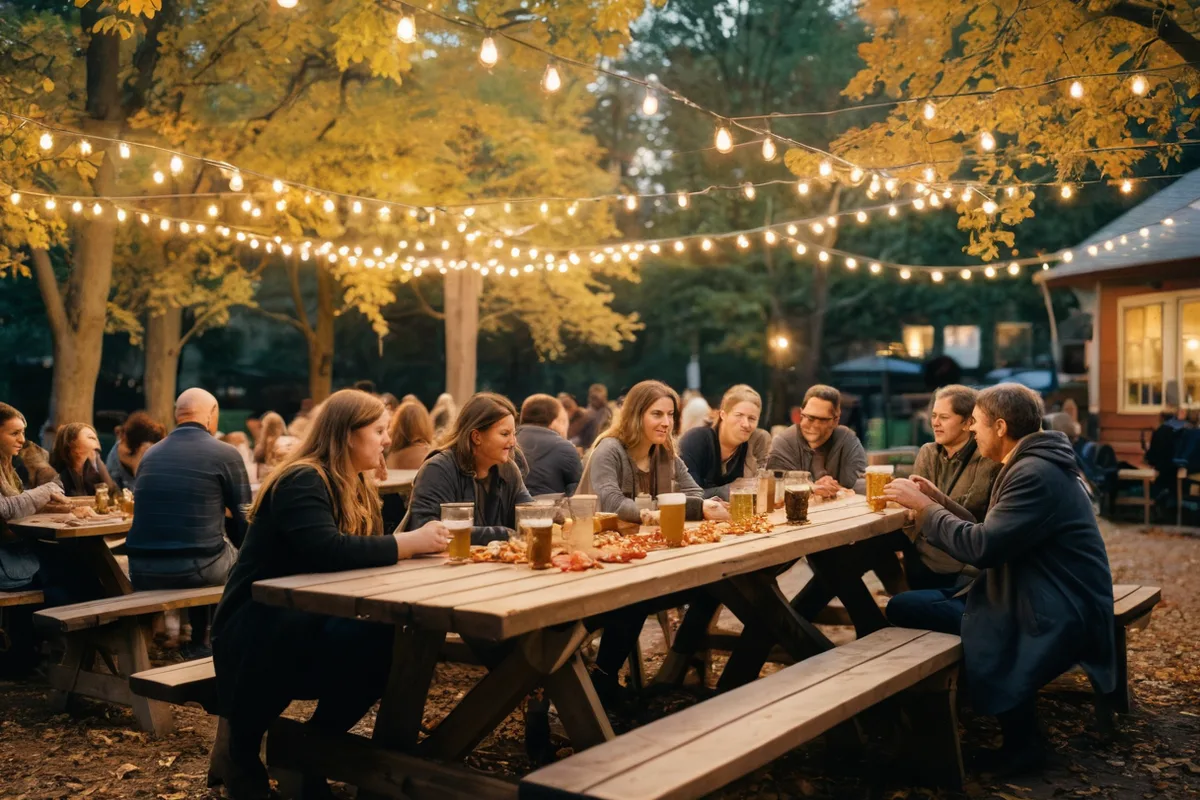
    An outdoor autumn beer garden at a US Oktoberfest

    The American Oktoberfest season is much longer than Munich’s

    Munich’s Oktoberfest is 16 days — September 19 to October 4 in 2026. The American season runs from early September into the middle of November. Helen and Big Bear open before Munich does, and Wurstfest is still going five weeks after the Munich tents come down.

    If you miss the September rush, October and November still have Fredericksburg, Leavenworth, Tulsa, Helen, Big Bear and Wurstfest.
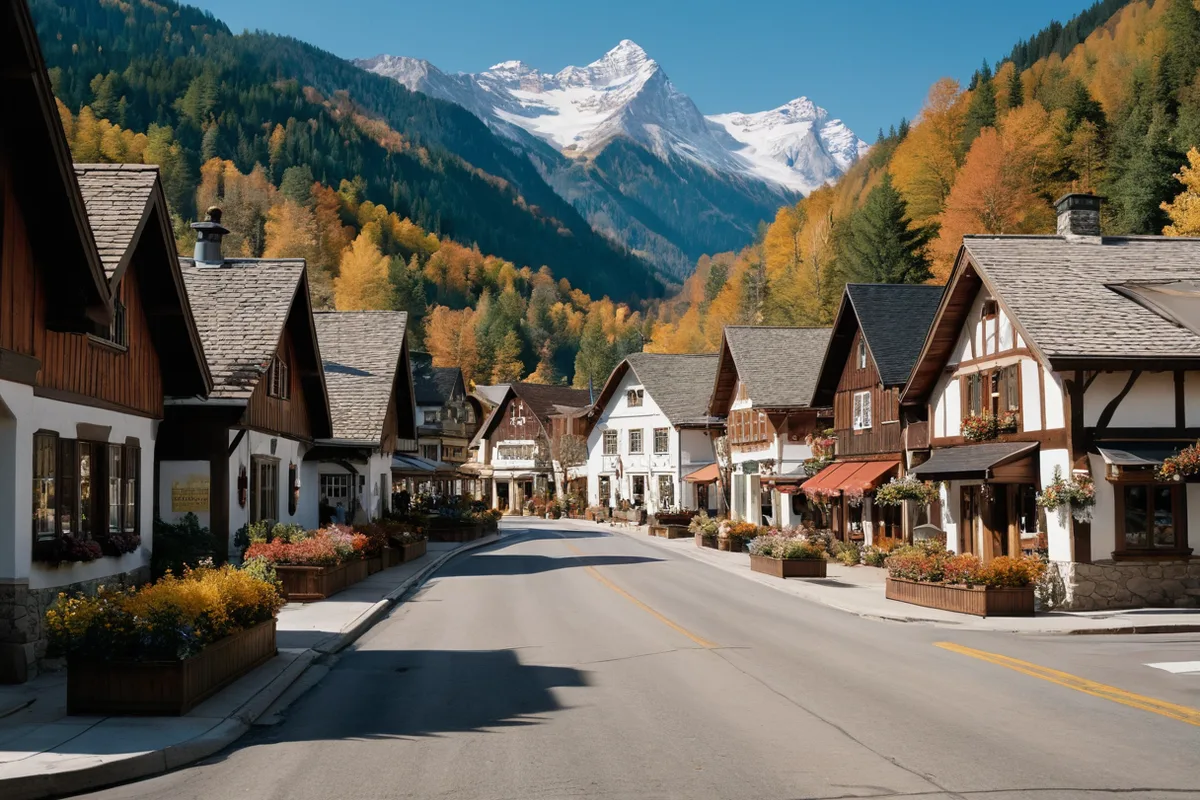
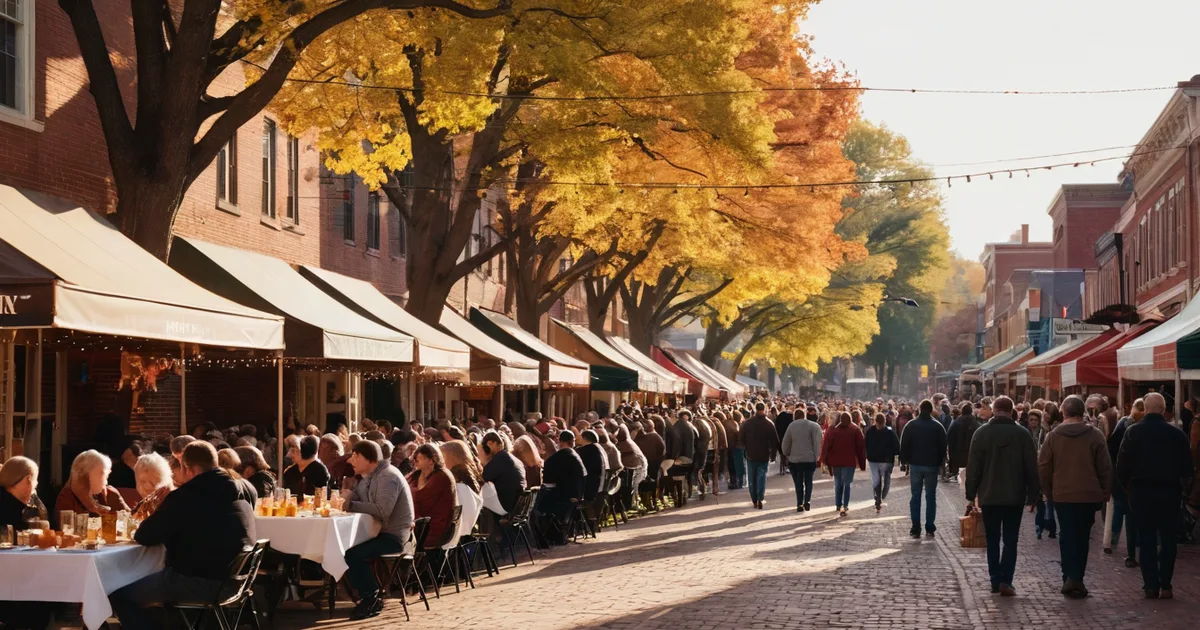
    A Bavarian-themed American town during Oktoberfest season

    What to wear to an American Oktoberfest

    The same rule applies as in Munich, and it matters more here: a real dirndl or lederhosen looks completely different from a costume-shop version, and everyone can tell. You do not have to dress up at all — plenty of people do not — but if you are going to, buy something real rather than a novelty set.

    Our dirndl and lederhosen guide covers fit, fabric, what to spend, and the apron-bow rule that most Americans get wrong. If you are shopping now, browse dirndls and lederhosen — and order early, because sizes thin out badly in the first half of September.

    One more thing worth buying ahead: most American festivals sell beer in disposable cups rather than glass. If you want the real thing, bring your own Oktoberfest stein.

    Oktoberfest in the USA: frequently asked questions

    When is Oktoberfest 2026 in the United States?

    Most major US Oktoberfest celebrations run between mid-September and early November 2026. The busiest weekend is September 17–20, when Zinzinnati, Addison, Mt. Angel and Frankenmuth all take place simultaneously. Later festivals include Fredericksburg and Leavenworth in October, Tulsa on October 22–25, and Wurstfest in New Braunfels on November 6–15.

    What is the biggest Oktoberfest in the United States?

    Oktoberfest Zinzinnati in Cincinnati is the largest, drawing a record 808,300 people last year. It takes place on the Ohio River waterfront at Sawyer Point and Yeatman’s Cove, and 2026 marks its 50th anniversary since it began in 1976. Entry is free.

    Do you need tickets for an American Oktoberfest?

    It depends entirely on the festival, and several of the biggest are free. Zinzinnati costs nothing to enter, Mt. Angel is mostly free apart from three premium garden venues, and Frankenmuth is $10 a day with the whole of Sunday free. Leavenworth is at the other end, at $20 on a Friday and $40 on a Saturday.

    Which US Oktoberfest runs the longest?

    Helen, Georgia has by far the longest season, running Thursdays through Sundays across September and then daily from October 1 to November 1. Most American Oktoberfests last a single four-day weekend, so Helen is the easiest one to fit around a fixed schedule.

    Can you go to an Oktoberfest in November?

    Yes. Wurstfest in New Braunfels, Texas runs November 6–15, 2026, roughly five weeks after Munich’s festival ends. Zeeco Oktoberfest Tulsa on October 22–25 and Big Bear Lake in California also run well past the traditional season.

    Do you have to wear lederhosen or a dirndl?

    No, it is never required at any American Oktoberfest. Many people wear ordinary clothes and nobody minds. If you do want to dress up, a genuine dirndl or pair of lederhosen looks noticeably better than a costume-shop set, which tends to be obvious across a beer hall. You can compare real dirndls and lederhosen online before you go.

    Dates confirmed against each festival’s official website, August 2026.

  • Neuschwanstein Castle: How to Visit (2026 Guide)

    Neuschwanstein Castle: How to Visit (2026 Guide)

    Perched on a crag in the Bavarian Alps, Neuschwanstein is the fairy-tale castle that inspired Disney’s Sleeping Beauty castle — and the most popular day trip in all of Bavaria. It’s spectacular, it’s busy, and the ticketing trips up a lot of visitors. Here’s everything you need to visit smoothly in 2026.

    The essentials

    Neuschwanstein was built by the eccentric “fairy-tale king” Ludwig II in the 19th century and was never finished. You can only see the interior on a guided tour (about 30–40 minutes); the grounds and the famous viewpoints are free to roam.

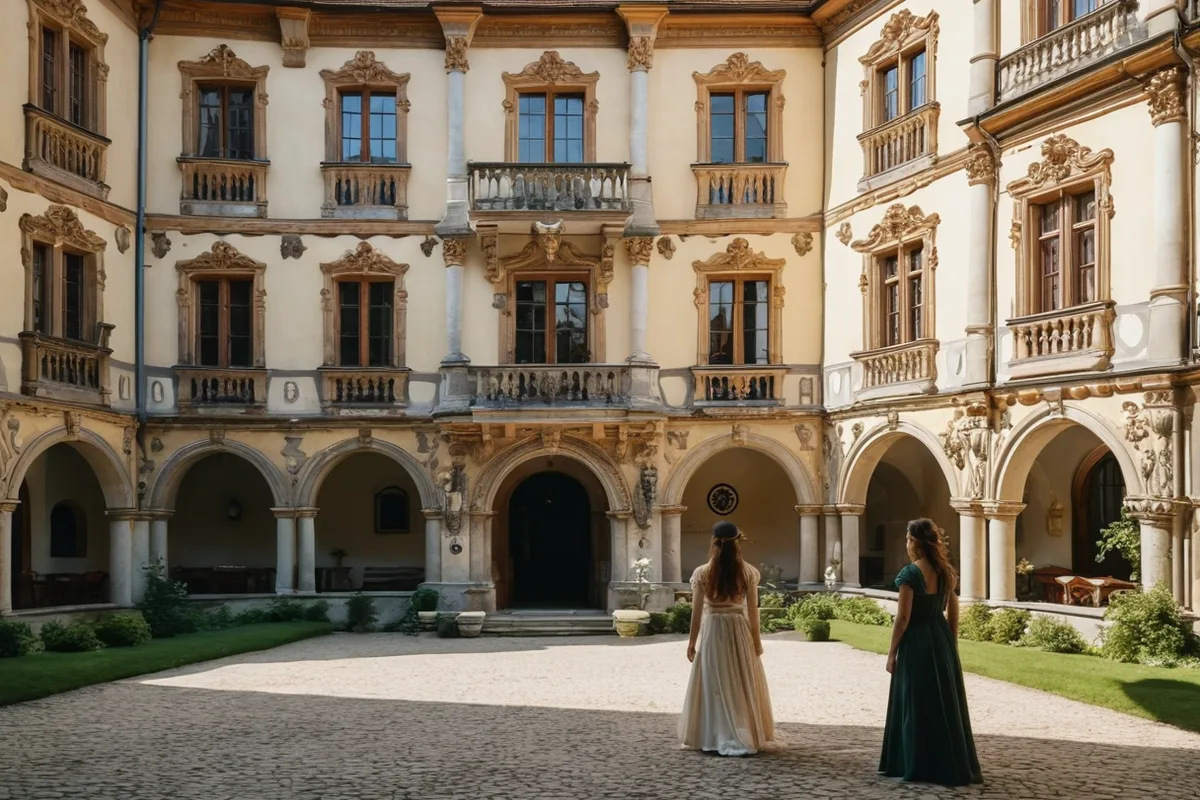
    Neuschwanstein Castle inner courtyard

    Tickets and prices

    • Adult ticket: around €15.
    • King’s Ticket (combo): Neuschwanstein + neighboring Hohenschwangau Castle, roughly €30–€35.
    • Under 18: usually free, but still need a (timed) ticket.
    • Booking online adds a small fee (about €2.50).

    Book online, in advance. On-site tickets are extremely limited and often sold out, especially May–October. Reserve through the official ticket center (Hohenschwangau) ahead of time and you’ll save yourself hours of stress.

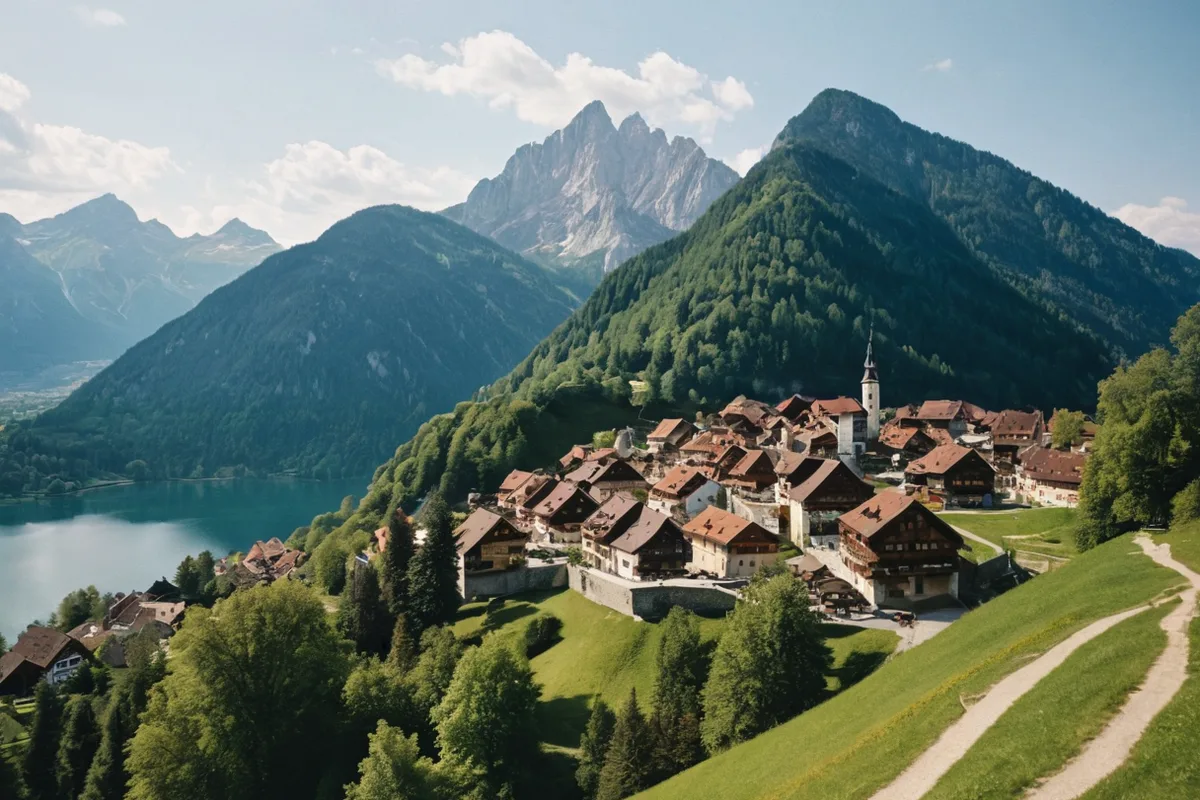
    The village of Hohenschwangau below Neuschwanstein

    How the timed-entry system works

    This is the part that catches people out: your ticket has an exact entry time, to the minute. The interior is guided-only, and groups enter on a strict schedule.

    • Arrive at the castle entrance 10–15 minutes early.
    • Late arrivals are turned away — no refund.
    • Plan to be in Hohenschwangau at least 1.5–2 hours before your slot to collect tickets and make the climb.
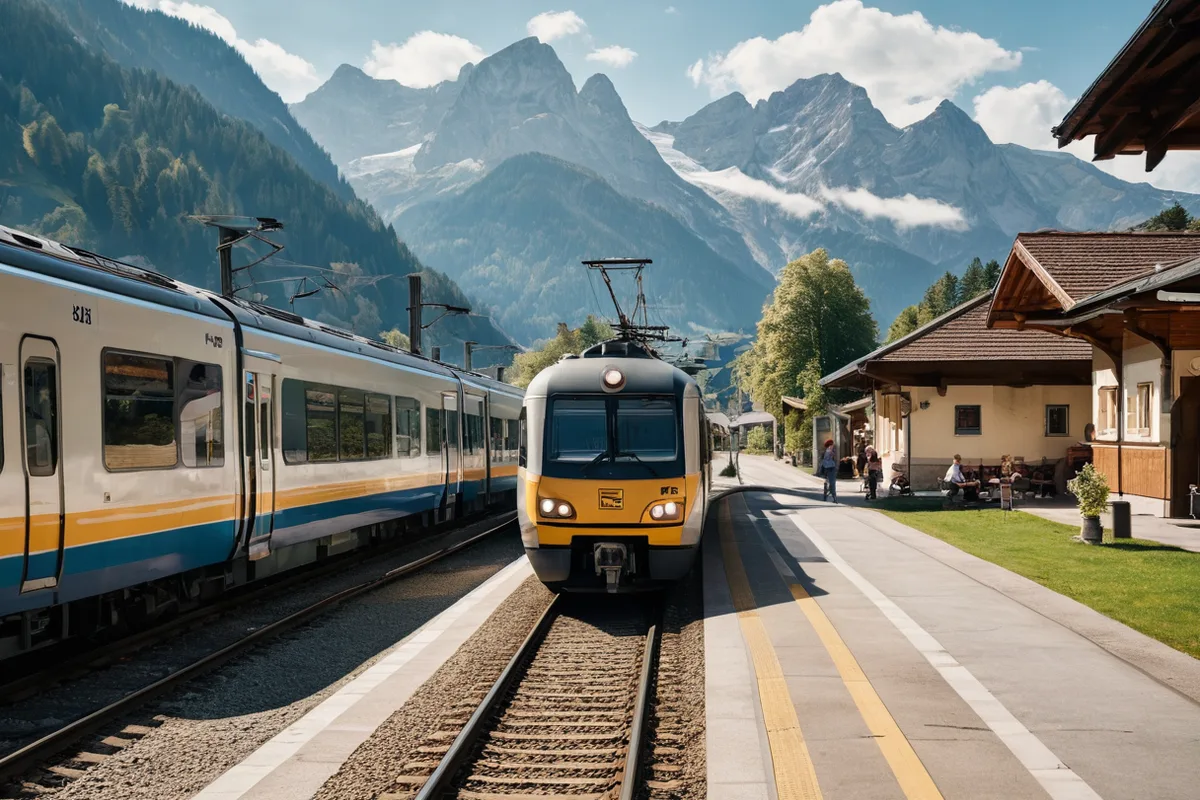
    Regional train to FĂĽssen for Neuschwanstein Castle

    Getting there from Munich

    It’s a doable day trip, but it’s a journey — about 2 hours each way:

    1. Train: a regional train (RB) from Munich Hauptbahnhof to FĂĽssen (~2 hours). The Bayern-Ticket is great value for groups.
    2. Bus: from FĂĽssen station, Bus 73 or 78 to Hohenschwangau (~10 minutes).
    3. Up to the castle: a 30–40 minute uphill walk, or a shuttle bus or horse-drawn carriage (small fee).

    You cannot drive up to the castle itself.

    Guided tour from Munich?

    If you’d rather not juggle trains, buses, and timed tickets, an organized day tour from Munich handles the logistics — typically €55–€95 per adult. The low-stress option.

    Tips for the best visit

    • Go early or late to dodge crowds.
    • Don’t miss MarienbrĂĽcke (Mary’s Bridge) for the postcard view (closes in ice/snow).
    • Wear good shoes for the uphill walk.
    • No photography inside the castle.

    Coming for the festival too? See our Oktoberfest 2026 Dates & Schedule and Where to Stay in Munich, and more day trips from Munich.

    Neuschwanstein Castle: frequently asked questions

    How do you get to Neuschwanstein from Munich?

    Take a regional train from Munich Hauptbahnhof to FĂĽssen, about 2 hours, then Bus 73 or 78 from FĂĽssen station to Hohenschwangau, roughly 10 minutes. From the village it’s a 30–40 minute uphill walk to the castle, or a shuttle bus or horse-drawn carriage for a small fee — you can’t drive up to the castle itself.

    How much are Neuschwanstein tickets in 2026?

    An adult ticket costs around €15, or roughly €30–€35 for the King’s Ticket combining Neuschwanstein with neighbouring Hohenschwangau Castle. Booking online adds a small fee of about €2.50, and under-18s usually enter free but still need a timed ticket.

    Do you need to book Neuschwanstein tickets in advance?

    Yes. Your ticket has an exact entry time to the minute, and on-site tickets are extremely limited and often sold out, especially May through October. Book through the official ticket centre in Hohenschwangau ahead of time — arriving late means being turned away with no refund. If you would rather not juggle the timed slot with the train and bus, guided Neuschwanstein day tours from Munich bundle the transport and entry together.

    How long does a Neuschwanstein visit take?

    The guided interior tour itself is about 30–40 minutes, but plan for at least half a day once you add travel, the uphill walk from Hohenschwangau, and time at viewpoints like Marienbrücke. Arrive at the castle entrance 10–15 minutes before your timed slot.

    Can you visit Neuschwanstein as a day trip from Munich during Oktoberfest?

    Yes — it’s a popular pairing since the castle is about 2 hours each way by train, making it a full but doable day trip alongside your festival days. Book your timed castle ticket well in advance, since Oktoberfest season overlaps with Neuschwanstein’s busy autumn crowds.

    Can you take photos inside Neuschwanstein?

    No — photography isn’t allowed inside the castle on the guided tour. The grounds and famous viewpoints like MarienbrĂĽcke, where photography is fine, are free to roam outside the tour.

    Updated August 2026.
  • Things to Do in Munich: The First-Timer’s Guide

    Things to Do in Munich: The First-Timer’s Guide

    Munich is Bavaria’s beating heart — grand squares, world-class museums, riverside beer gardens, and a famous surf wave in a park. Whether you’re here for Oktoberfest or any other time of year, here’s how to make the most of it.

    Start in the Old Town

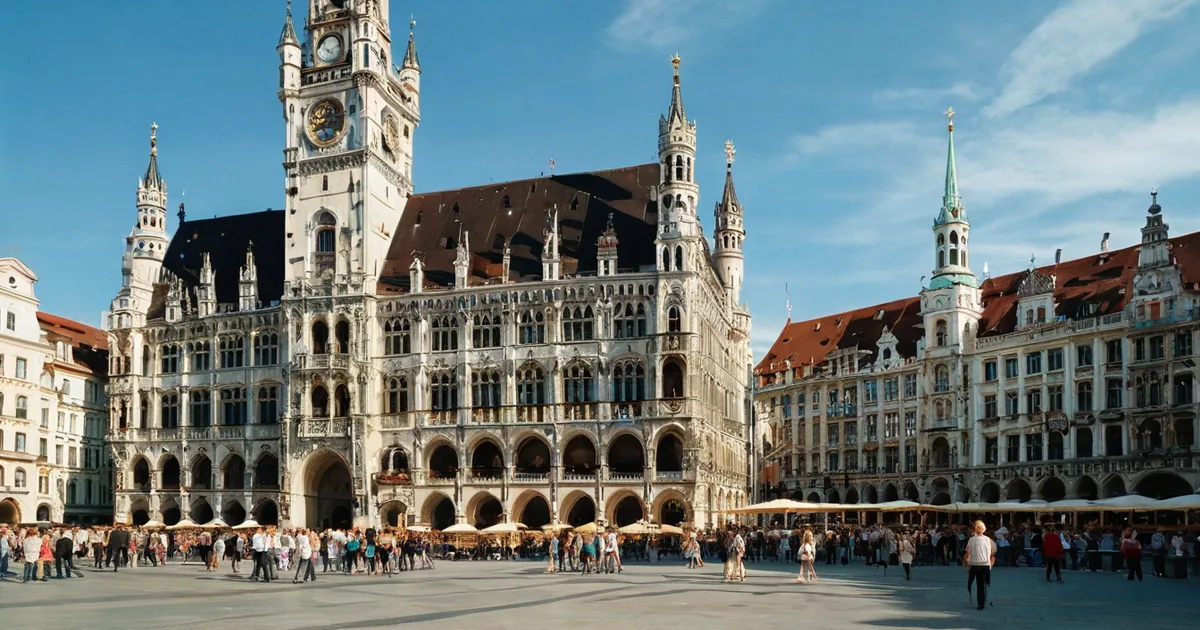
    Marienplatz is the central square. Time it for 11 a.m. (or noon) to watch the Glockenspiel in the New Town Hall — 32 figures that dance to chiming bells. Nearby is the twin-domed Frauenkirche. Just south, the Viktualienmarkt is a beloved open-air food market with a leafy beer garden.

    A historic Munich beer hall exterior

    Eat and drink like a local

    • Hofbräuhaus — the world’s most famous beer hall; a must-see at least once.
    • Beer gardens — the Augustiner-Keller and the Chinese Tower garden in the English Garden are classics.
    • Bavarian classics — WeiĂźwurst, Schweinshaxe, Obatzda. See our Food Guide.

    The English Garden

    One of the world’s largest urban parks — bigger than Central Park. Don’t miss the Eisbach wave, where surfers ride a standing river wave year-round in the city.

    Surfers riding the Eisbach wave in Munich's English Garden

    Museums and palaces

    • The Residenz — the opulent former royal palace.
    • Nymphenburg Palace — baroque summer palace with grand gardens.
    • Deutsches Museum — a vast science and technology museum.
    • BMW Welt & Museum — cars and design by the Olympic Park.

    Seasonal highlights

    Viktualienmarkt open-air food market in Munich

    Easy day trips

    Within a couple of hours: Neuschwanstein Castle, the Alps, Salzburg, Nuremberg, and Dachau. See our day trips guide.

    Getting around

    The U-Bahn, S-Bahn, trams, and buses cover everything — skip the car. Buy a day pass and validate before boarding.


    Pair this with Where to Stay in Munich and the First-Timer’s Guide to Oktoberfest.

    Things to do in Munich: frequently asked questions

    What is Munich known for?

    Munich is known for Oktoberfest, its grand Marienplatz square with the chiming Glockenspiel, the vast English Garden with its year-round river-surfing wave, and a strong beer-hall and beer-garden culture anchored by the Hofbräuhaus. It’s also home to world-class museums like the Deutsches Museum and the Pinakothek art galleries.

    How many days do you need in Munich?

    Two to three days covers the essentials — Marienplatz and the Glockenspiel, the English Garden, a beer hall, and one museum or palace. Add extra days if you’re planning day trips to Neuschwanstein, Salzburg or the Alps, or if you’re visiting during Oktoberfest and want a full day or two in the tents.

    What are the top things to do in Munich?

    Start at Marienplatz to watch the Glockenspiel at 11 a.m. or noon, then wander to the Viktualienmarkt food market and the Frauenkirche. Round it out with the English Garden and its Eisbach surf wave, a visit to the Hofbräuhaus or a summer beer garden, and one of the Residenz, Nymphenburg Palace or the Deutsches Museum. Skip-the-line tickets and guided tours for most of these are on Klook.

    Is Munich worth visiting outside Oktoberfest?

    Yes — Munich is a genuine year-round destination, not just a festival stopover. Summer brings beer gardens and the English Garden at their best, and late November to December brings the city’s Christmas markets, so there’s a strong reason to visit almost any season.

    What time does the Glockenspiel play in Munich?

    The Glockenspiel in the New Town Hall on Marienplatz chimes at 11 a.m. and again at noon, with 32 figures acting out historical scenes to the bells. Arrive a few minutes early to get a clear view of the square below the tower.

    Is Munich walkable, or do you need public transport?

    The compact city centre around Marienplatz is very walkable, but Munich’s U-Bahn, S-Bahn, trams and buses are fast and cover everything beyond it. A day pass is worth it if you’re covering ground like the English Garden, Nymphenburg Palace or the Theresienwiese in one day.

    Updated August 2026.
  • Munich & Bavarian Christmas Markets 2026: Complete Guide

    Munich & Bavarian Christmas Markets 2026: Complete Guide

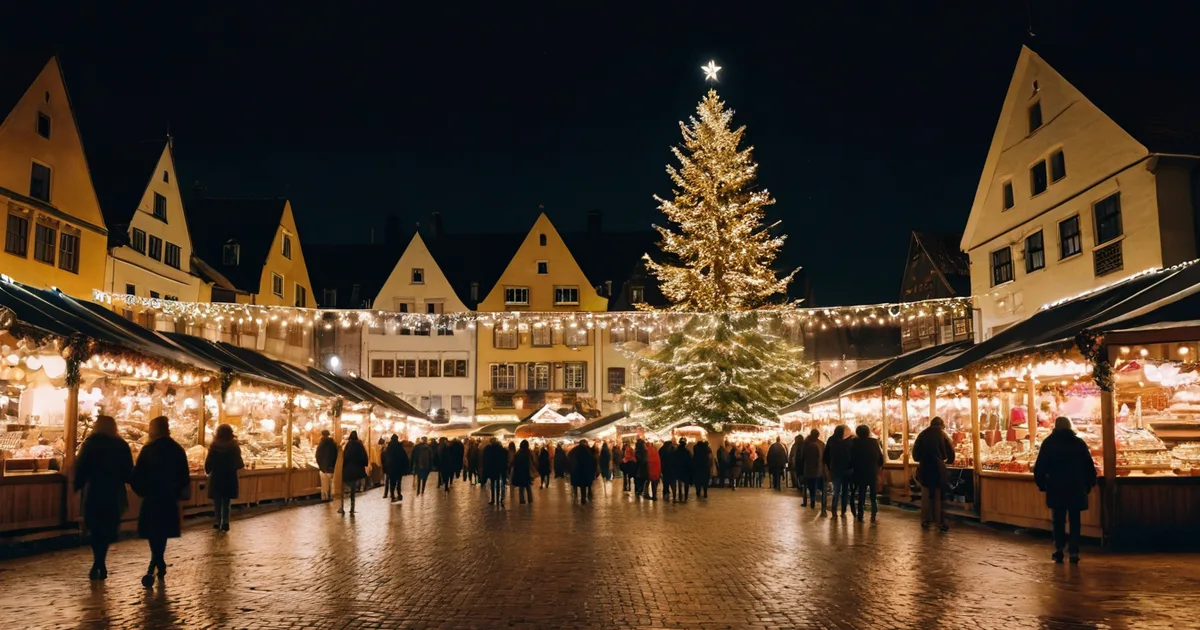
    When the festival tents come down, Bavaria trades beer steins for mugs of mulled wine. From late November, Munich glows with Christkindlmärkte — Christmas markets full of twinkling lights, roasted almonds, and cozy GemĂĽtlichkeit. Here’s how to do a Bavarian Christmas in 2026.

    Munich’s main market: Marienplatz

    The MĂĽnchner Christkindlmarkt on Marienplatz is the grand centerpiece, beneath the New Town Hall and a giant Christmas tree.

    • Dates: November 20 – December 24, 2026 (Marienplatz and Rindermarkt).
    • Hours: roughly 10 a.m. – 9 p.m. Mon–Sat, 10 a.m. – 8 p.m. Sun. Christmas Eve closes early (~2 p.m.).
    • Size: 130+ stalls.
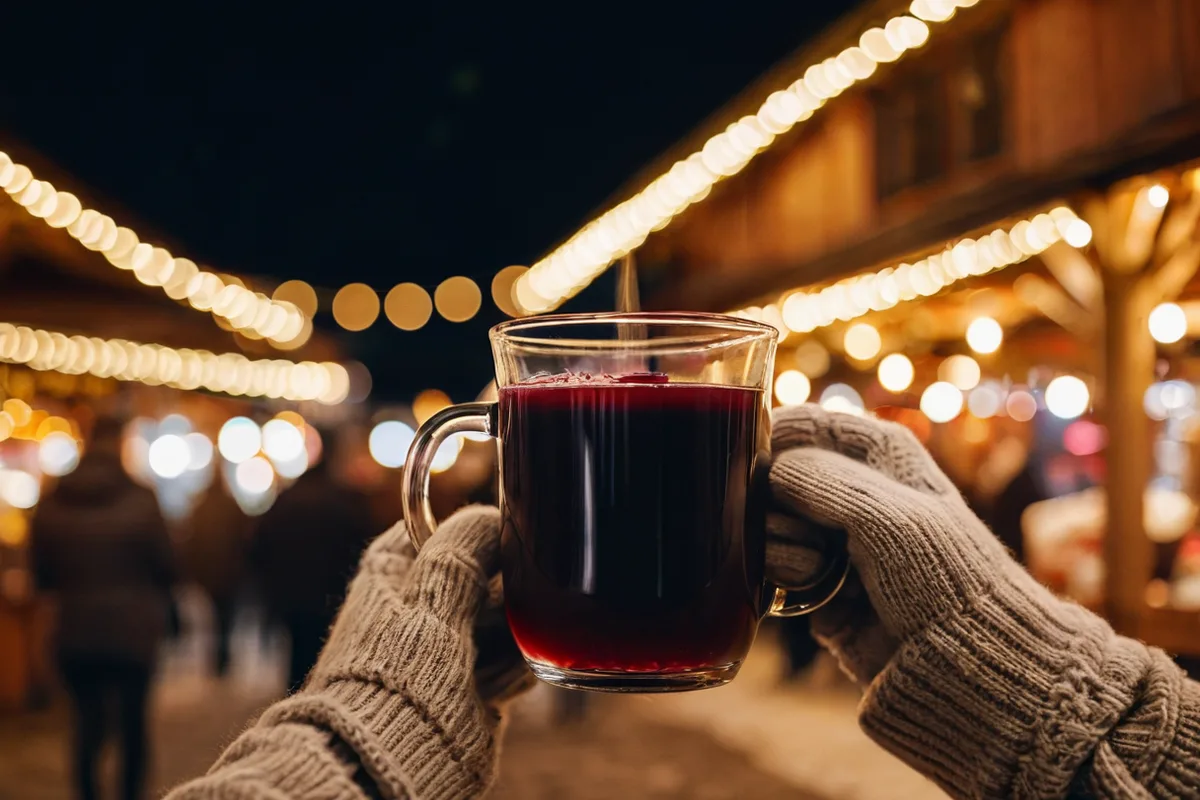
    A mug of GlĂĽhwein at a Munich Christmas market

    What to eat and drink

    • GlĂĽhwein — hot mulled wine (small refundable mug deposit).
    • Kinderpunsch — warm non-alcoholic spiced punch.
    • Gebrannte Mandeln — candied roasted almonds.
    • Lebkuchen — spiced gingerbread hearts.
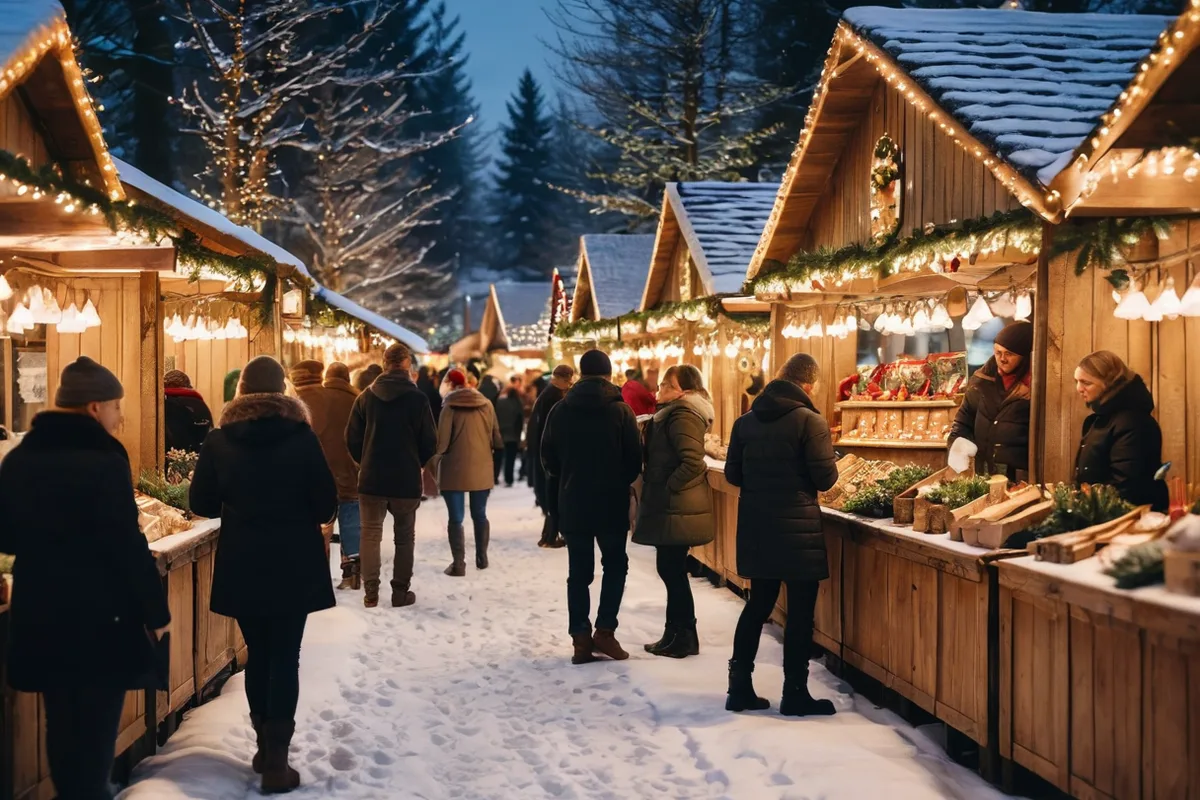
    Christmas market stalls in Bavaria

    Munich’s other markets

    • Medieval Market (Wittelsbacherplatz) — costumed stalls and mead.
    • Pink Christmas (Stephansplatz) — Munich’s LGBTQ+ market.
    • Tollwood Winter Festival — a bigger alternative festival.
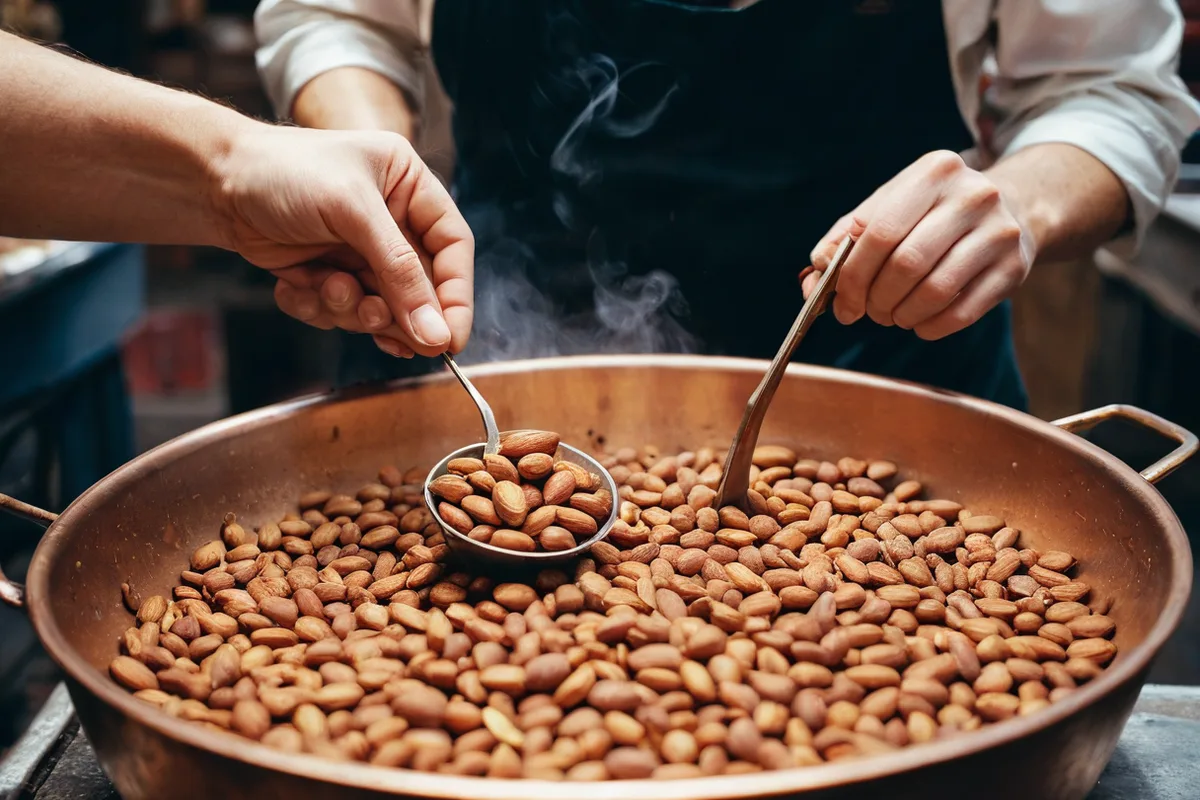
    Roasted almonds stall at a Bavarian Christmas market

    Beyond Munich

    • Nuremberg Christkindlesmarkt — world-famous (~1 hour by train).
    • Rothenburg ob der Tauber — a medieval walled town made for Christmas.

    Tips

    • Dress warm and bring cash.
    • Keep your GlĂĽhwein mug or return it for the deposit.
    • Weekday evenings are less crowded.

    See Things to Do in Munich, Neuschwanstein, or Oktoberfest 2026.

    Munich Christmas markets: frequently asked questions

    When do Munich’s Christmas markets open in 2026?

    Munich’s main Christkindlmarkt on Marienplatz runs from 20 November to 24 December 2026, spanning Marienplatz and the neighbouring Rindermarkt. Most of the city’s smaller markets run on a similar late-November-to-Christmas-Eve schedule.

    What are the opening hours of Munich’s Christmas markets?

    The Marienplatz market runs roughly 10 a.m. to 9 p.m. Monday to Saturday and 10 a.m. to 8 p.m. on Sundays. On Christmas Eve it closes early, around 2 p.m., so plan any last visit for the morning.

    What is GlĂĽhwein, and what is the Pfand?

    GlĂĽhwein is hot spiced mulled wine, the signature drink of Munich’s Christmas markets. You pay a small refundable deposit, the Pfand, on the souvenir mug, which you get back if you return the mug — or keep it as a souvenir and forfeit the deposit.

    Which is the best Christmas market in Bavaria?

    The Nuremberg Christkindlesmarkt, about an hour from Munich by train, is widely considered the best and most famous market in Bavaria. Munich’s own Marienplatz market is the strongest option if you don’t want to leave the city, with 130-plus stalls beneath the New Town Hall. Day trips to Nuremberg and guided market tours are bookable on Klook.

    Are Munich’s Christmas markets free to enter?

    Yes — like Oktoberfest, entry to Munich’s Christmas markets is free. You only pay for what you eat, drink and buy from the stalls.

    Do Christmas market stalls in Munich take cards?

    Often not — many stalls run on cash only, so bring enough with you rather than relying on a card. Small notes make it easier to pay for a quick Glühwein or a bag of Gebrannte Mandeln.

    Updated August 2026.
  • The Best Day Trips from Munich (2026)

    The Best Day Trips from Munich (2026)

    Munich is one of Europe’s best bases for exploring. Within an hour or two by train you can reach fairy-tale castles, alpine peaks, Austrian cities, and sobering history. Here are the best day trips.

    Neuschwanstein Castle

    The fairy-tale icon that inspired Disney. Regional train to FĂĽssen (~2 hours) then a short bus, or a guided tour from Munich. Book your timed ticket ahead. Full details in our Neuschwanstein guide.

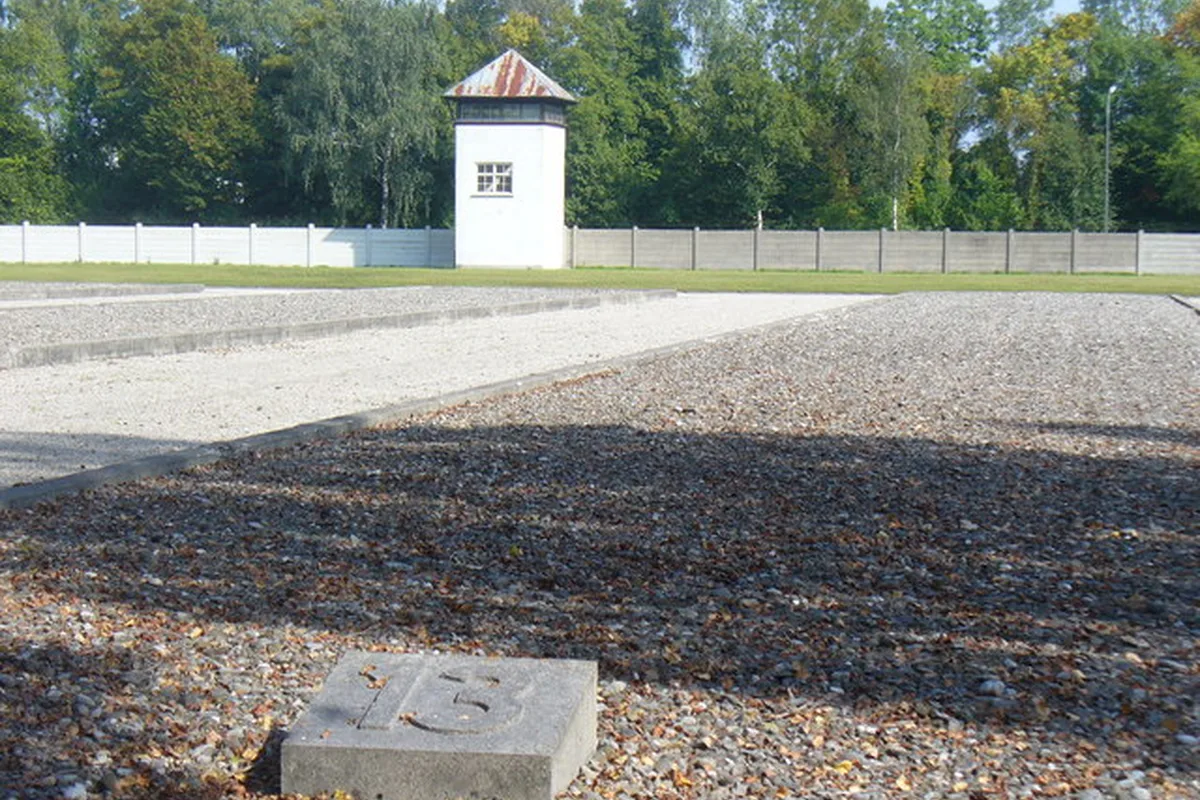
    The Dachau Concentration Camp Memorial Site near Munich
    Photo: Colin Smith on geo.hlipp.de, CC BY-SA 2.0, via Wikimedia Commons

    Salzburg, Austria

    Mozart’s birthplace and the city of The Sound of Music — baroque streets and a hilltop fortress, just over the border. ~1.5–2 hours each way.

    Zugspitze — Germany’s highest peak

    Cog railway and cable car up to 2,962 m for snow and Alpine views, even in summer. Via Garmisch-Partenkirchen.

    Nuremberg's medieval old town

    Dachau Memorial

    A profoundly moving visit to the memorial at the first Nazi concentration camp, just outside Munich. Free entry; go with respect. ~30–45 minutes.

    Nuremberg

    A reconstructed medieval city with an imperial castle and pivotal WWII history. ~1 hour by fast train.

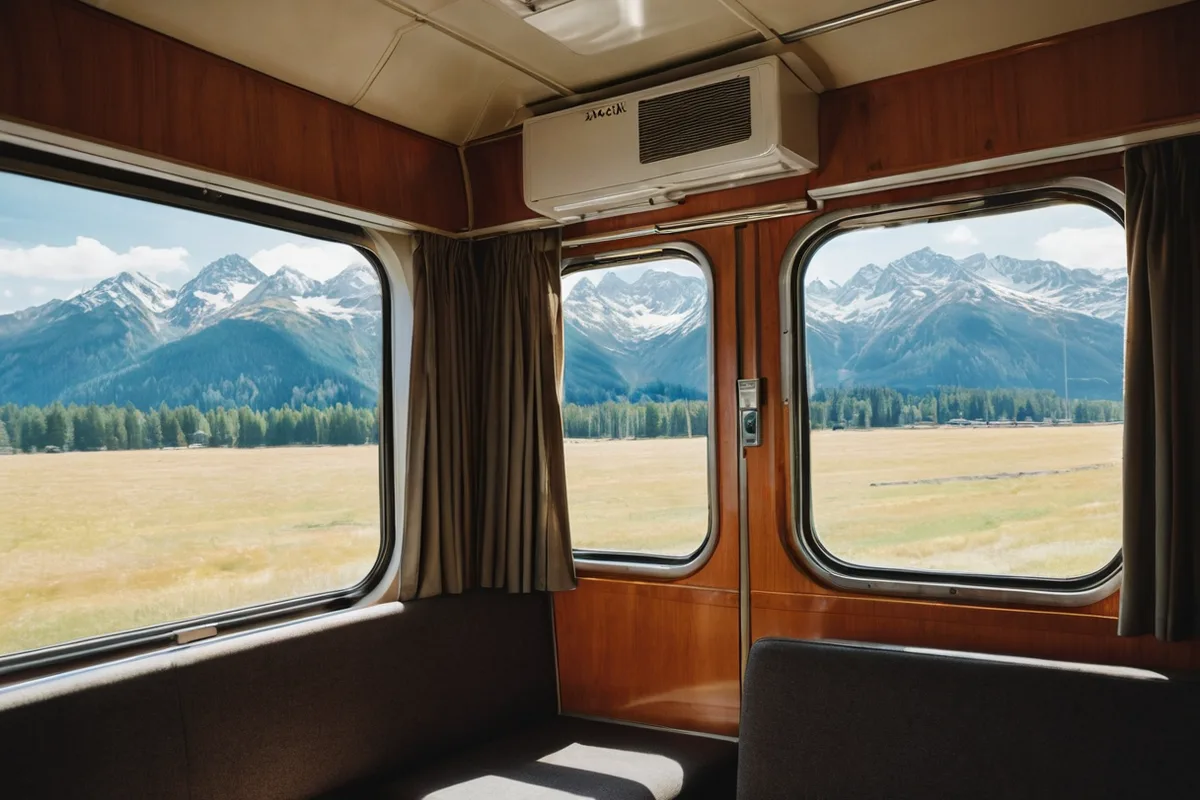
    Regional train travel from Munich for day trips

    Berchtesgaden & the Eagle’s Nest

    Alpine scenery near Austria: the emerald Königssee lake and the Eagle’s Nest high above (seasonal). ~2.5 hours each way.

    Tips

    • The Bayern-Ticket is great value for groups.
    • Start early and book tickets ahead in peak season.
    • Check seasonal closures before you go.

    Make Munich your base: Where to Stay and Things to Do in Munich.

    Day trips from Munich: frequently asked questions

    What are the best day trips from Munich?

    The standout day trips are Neuschwanstein Castle (about 2 hours each way via Füssen), Salzburg in Austria (1.5–2 hours), the Zugspitze via Garmisch-Partenkirchen (about 2 hours to the base), and the Dachau Concentration Camp Memorial, just 30–45 minutes away. Nuremberg and Berchtesgaden are excellent options if you have a bit more time.

    Can you day-trip to Salzburg from Munich?

    Yes — fast trains connect Munich to Salzburg in about 1.5–2 hours each way, making it an easy full day. Mozart’s birthplace, the baroque old town and the hilltop Hohensalzburg Fortress are all walkable once you arrive.

    How do you get to the Zugspitze from Munich?

    Take a train to Garmisch-Partenkirchen, about 2 hours from Munich, then ride the cog railway or cable car up to the 2,962-metre summit, Germany’s highest peak. Expect snow at the top even in summer, and check conditions before you go.

    Is the Bayern-Ticket worth it for day trips from Munich?

    Yes, especially for groups — one Bayern-Ticket covers a full day of regional train travel for up to five people, making it strong value for trips to FĂĽssen, Garmisch-Partenkirchen or Nuremberg. It doesn’t cover fast long-distance trains, so check the specific route before you rely on it.

    Can you visit Dachau as a day trip from Munich?

    Yes — the Dachau Concentration Camp Memorial is only about 30–45 minutes from central Munich and has free entry. It’s a profoundly moving, important visit; allow several hours and go with respect rather than treating it as a quick stop.

    What’s the best day trip from Munich if you only have one day?

    Neuschwanstein Castle is the best single-day choice for most first-time visitors — it’s the single most iconic sight near Munich, reachable in about 2 hours each way, though it does require booking your timed castle ticket well in advance. If you’d rather skip the logistics, a guided day tour from Munich handles the trains, buses and timing for you.

    Updated August 2026.
  • Oktoberfest Etiquette & 12 Mistakes to Avoid

    Oktoberfest Etiquette & 12 Mistakes to Avoid

    Oktoberfest is welcoming and wonderfully rowdy — but it’s also a genuine Bavarian tradition with its own unwritten rules. Follow them and locals will happily share their table and their songs. Ignore them and you’ll be “that tourist.” Here’s how to fit right in, plus the mistakes that trip up almost every first-timer.

    The etiquette that matters most

    Toast properly. When the band plays “Ein Prosit,” stand, raise your MaĂź, and clink with the people around you — making eye contact each time. Skipping eye contact is considered bad luck (and bad manners). Say “Prost!” and take a sip.

    Stand on the benches, never the tables. Climbing on the benches to sing and toast is encouraged. Standing on the tables will get you thrown out by security — every time.

    Tip your server. They haul ten-plus full steins at once through a crowd. Round up €1–2 per Maß; it keeps the service (and the beer) flowing.

    Share the table. Seating is communal. It’s normal to ask “Ist hier noch frei?” (“Is this seat free?”) and join strangers — that’s how friendships and singalongs start.

    Respect the staff and the space. Be patient, be friendly, and don’t be the loud, sloppy stereotype. GemĂĽtlichkeit — cozy good cheer — is the whole vibe.

    Tipping a server at an Oktoberfest beer tent

    12 mistakes to avoid

    1. Standing on the table. The fastest way to get ejected. Benches yes, tables no.
    2. Forgetting eye contact during the toast. A small thing locals genuinely notice.
    3. Not bringing cash. Most tents are cash-only for beer and food; on-site ATMs have long lines and fees.
    4. Trying to order without a seat. No seat, no service. Get a table first.
    5. Chugging to keep up. The beer is ~6% and served by the liter. Pace yourself or you won’t last to dinner.
    6. Skipping breakfast and water. Line your stomach (WeiĂźwurst and a pretzel) and alternate with water.
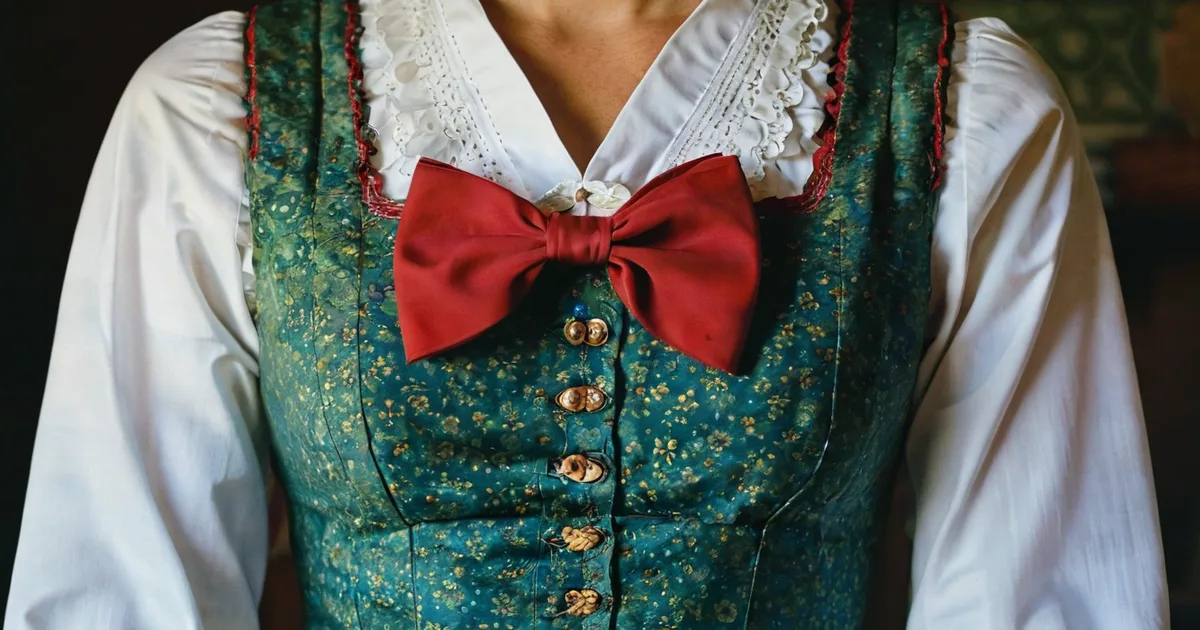
    7. Showing up in a cheap “sexy costume.” A real (even mid-range) dirndl or lederhosen looks far better. See our Dirndl & Lederhosen Guide.
    8. Stealing a stein. Taking the glass is theft — security checks bags at the exits. Buy a souvenir Maß from a stall instead.
    9. Assuming you need a reservation. A quarter of seats are always reservation-free; weekday mornings are easy walk-ins. See our Reservations Guide.
    10. Going only on the busiest days. The middle weekend and Oct 3 are mobbed and priciest — weekdays are far more pleasant.
    11. Driving or planning to drive. There’s no parking and you’ll be drinking. Take the U-Bahn and note your line home before the beer kicks in.
    12. Wearing the wrong shoes. You’ll stand on benches and the ground gets messy — closed, comfortable shoes only.
    Making eye contact during an Oktoberfest toast

    The one rule that covers everything

    Be a cheerful, respectful guest. Toast with eye contact, tip your server, keep off the tables, pace your beer, and say “Prost!” with a smile. Do that, and you’ll have the time of your life — and a few new friends on the bench beside you.


    Ready for the rest? Start with our First-Timer’s Guide, pick your tent in the Beer Tent Guide, and learn the brews in the Beer Guide.

    Oktoberfest etiquette: frequently asked questions

    What are the rules at Oktoberfest?

    The core rules are simple: you need a seat to be served beer, you stand on benches but never on tables, and you make eye contact when you toast. Beyond that it’s mostly common courtesy — tip your server, share your table with strangers, and pace your drinking.

    Can you stand on the tables at Oktoberfest?

    No — standing on the benches to sing and toast is encouraged, but standing on the tables will get you thrown out by security, every time. It’s the single fastest way to be ejected from a tent.

    Why do you make eye contact when toasting at Oktoberfest?

    Making eye contact while you clink glasses during the toast is considered good manners and, by local superstition, avoids bad luck. When the band plays “Ein Prosit,” everyone stands, raises their MaĂź, clinks with eye contact, and says “Prost!” before drinking.

    Can you take a beer stein home from Oktoberfest?

    No — taking a Maß glass is treated as theft, and security checks bags at the exits. If you want a souvenir stein, buy one legitimately from a merchandise stall instead. You can also buy an Oktoberfest stein online before you travel.

    What gets you thrown out of Oktoberfest?

    Standing on a table is the most common way to get ejected, along with fighting, being visibly disruptive, or trying to steal a stein. Security in the big tents enforces these rules consistently, even against otherwise well-behaved guests.

    What does “O’zapft is” mean, and how do you say cheers?

    “O’zapft is!” means “It’s tapped!” — the phrase Munich’s mayor shouts in the Schottenhamel-Festhalle when tapping the first keg to officially open Oktoberfest. To toast, simply say “Prost!” while making eye contact and clinking your MaĂź.

    Updated August 2026.
  • Oktoberfest on a Budget: What It Really Costs & How to Save

    Oktoberfest on a Budget: What It Really Costs & How to Save

    Oktoberfest has a reputation for emptying wallets — but it doesn’t have to. Entry is free, and with a little planning you can have an unforgettable Wiesn without the splurge. Here’s a realistic look at what a trip costs in 2026 and exactly where to save.

    The good news: getting in is free

    There’s no admission fee to Oktoberfest. You don’t pay to enter the grounds or the tents — you only pay for what you eat, drink, and ride. That means your budget is entirely in your control.

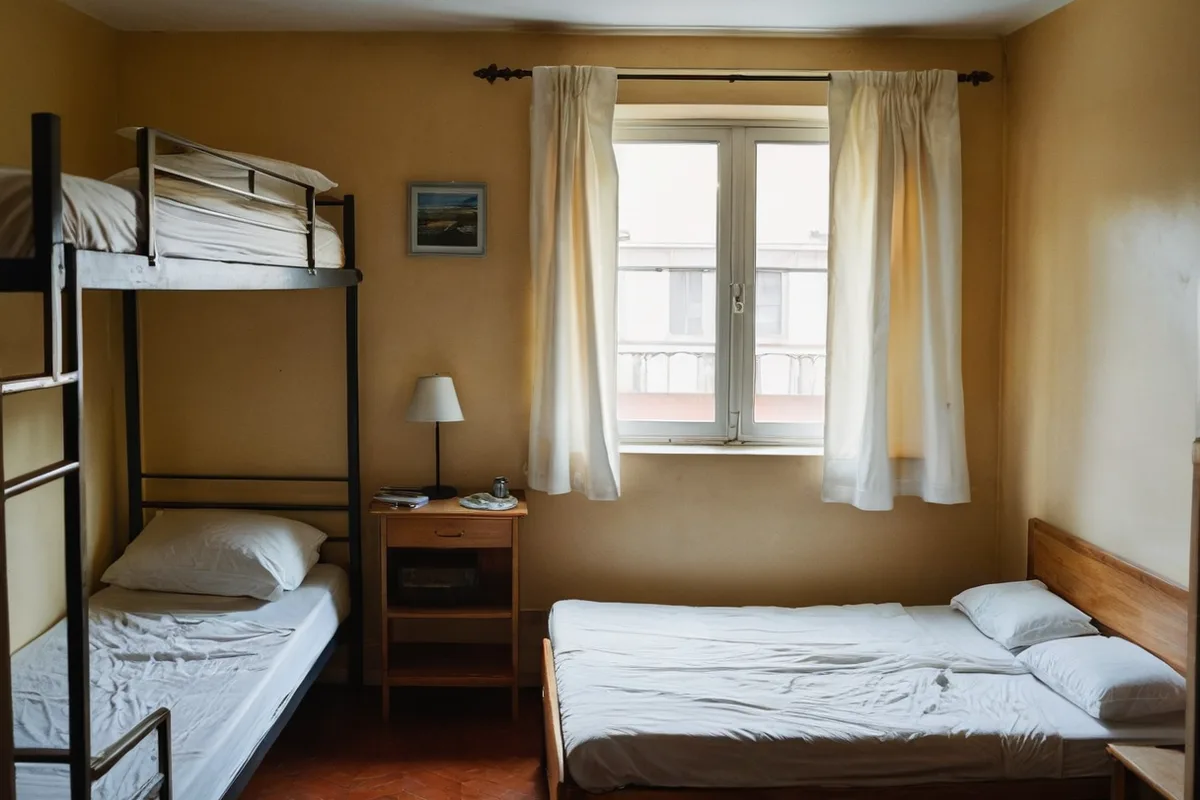
    A budget hostel room in Munich during Oktoberfest

    What you’ll actually spend (2026 estimates)

    Inside the tents, per day:

    Item Approx. cost
    Maß of beer (×3) €45–€48
    Tips on beer €3–€6
    A big meal (Hendl or Schweinshaxe) €18–€30
    A pretzel + snack €8–€12
    A ride or two €10–€20
    Rough daily total €85–€120

    Go heavier on the beer and rides and a big day climbs past €150; keep it modest and you can do a fun day for €60–€80.

    The bigger costs are travel and lodging:

    • Flights: vary wildly — book early and be flexible on dates. Compare fares across nearby airports and dates before you commit.
    • Hotels: the real budget-buster. Munich rates double or triple during the festival. See our Where to Stay guide for the cheapest smart areas.
    • Local transport: a few euros per day on the U-Bahn.
    An affordable bratwurst from an Oktoberfest food stall

    How to do Oktoberfest for less

    Sleep smart. Lodging is where you’ll save the most. Stay near a U-Bahn line rather than walking distance to the grounds (Ostbahnhof is great value), consider a hostel or a shared apartment for groups, or even stay in a nearby town on the S-Bahn. Book a free-cancellation rate early.

    Eat from the stalls. The outdoor food stalls serve the same Bavarian classics for roughly €8–€16, versus €16–€28 inside the tents. Share the big plates — a Schweinshaxe easily feeds two. Eat a proper WeiĂźwurst breakfast so you’re not buying full meals all day. (More in our Food Guide.)

    Pace the beer. It’s the single biggest variable. At €14.80–€15.90 a liter (averaging €15.61 in 2026), every MaĂź adds up — alternate with water, and you’ll feel better and spend less.

    Go on weekdays, earlier in the day. Cheaper and quieter than weekends and evenings, with easier walk-in seating (no reservation vouchers needed). Avoid the pricey middle weekend and German Unity Day (Oct 3) if you can.

    Skip the reservation if you’re flexible. Reservations aren’t required and tie up consumption vouchers — a quarter of tent seating is always reservation-free, more on weekday mornings. See our Reservations Guide.

    Bring cash and a budget. Most tents are cash-only, and ATMs on-site have long lines and fees. Withdraw what you plan to spend and stick to it.

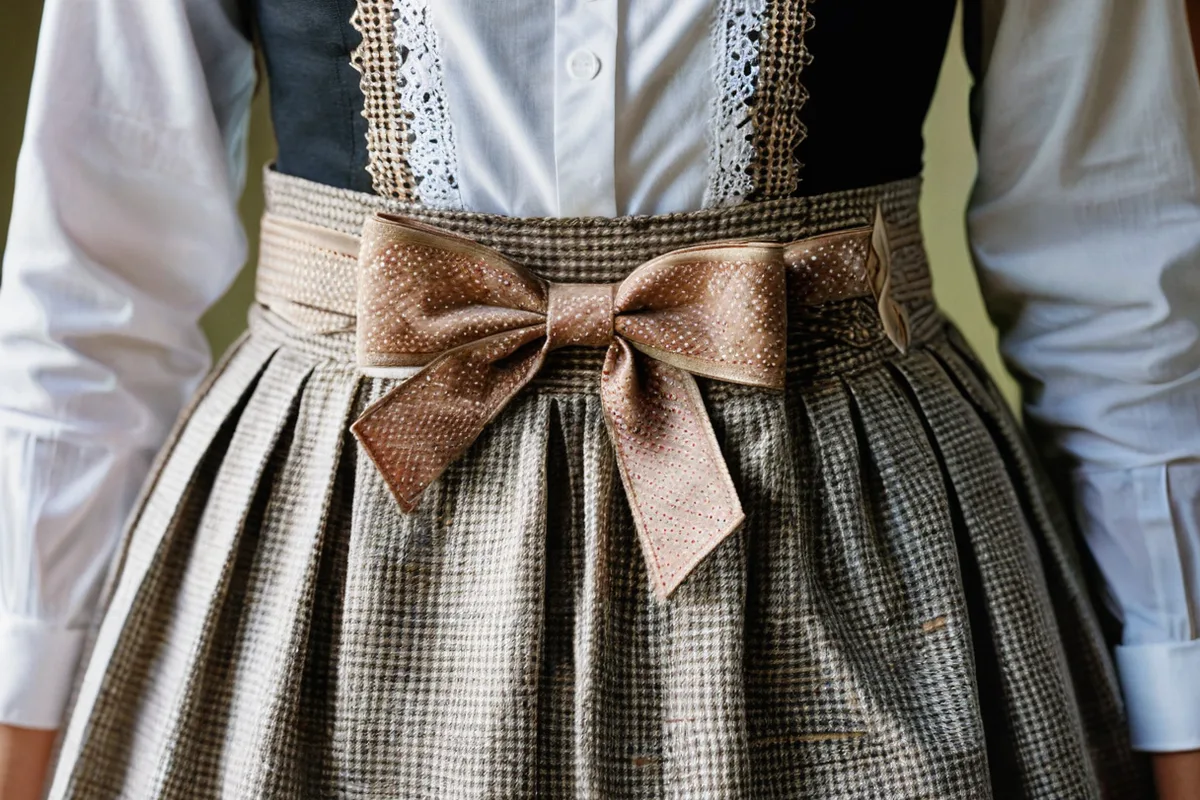
    Don’t overbuy the outfit. You don’t need the €500 dirndl — a solid mid-range set is fine. See our Dirndl & Lederhosen Guide.

    A sample budget day

    • WeiĂźwurst breakfast + pretzel: €10
    • 3 MaĂź + tips: €50
    • Shared Schweinshaxe (your half): €13
    • One ride: €8
    • U-Bahn: €6
    • Total: ~€87 — a full, fun day without overdoing it.

    Plan the rest: Where to Stay in Munich, the Food Guide, and the Oktoberfest 2026 Dates & Schedule.

    Oktoberfest on a budget: frequently asked questions

    How much does Oktoberfest cost per day?

    A full day inside the tents — three Maß, a big meal, a pretzel, a ride and tips — runs roughly €85–€120. Keep it modest with fewer beers and no rides and you can have a good day for €60–€80; go heavier on beer and rides and it can climb past €150.

    Is Oktoberfest expensive?

    It can be, but entry itself is free — there’s no admission fee to the grounds or any of the 14 tents, so your spending is entirely within your control. The real budget-busters are Munich hotel rates, which double or triple during the festival, not the beer and food itself.

    How can you do Oktoberfest cheaply?

    Sleep near a U-Bahn line rather than walking distance to the grounds (Ostbahnhof is good value), eat from the outdoor food stalls instead of inside the tents, and go on weekdays when walk-in seating is easier and you don’t need to buy reservation vouchers. Pace your beer, since at roughly €15–€16 a MaĂź it’s the single biggest daily variable. Lodging is where the real saving is, so it pays to compare Munich room rates across your dates before committing.

    What’s the cheapest tent for beer at Oktoberfest?

    The Augustiner-Festhalle is the cheapest of the 14 large tents at €14.90 a MaĂź in 2026. On the Oide Wiesn, the historical section’s Museumszelt is cheaper still at €14.80, the lowest price on the whole Wiesn.

    Do you need cash at Oktoberfest?

    Yes — most tents are cash-only for beer and food, and while there are ATMs on-site, they have long lines. Withdraw what you plan to spend before you arrive and keep small notes handy for tips.

    How much should you tip at Oktoberfest?

    The customary tip is €1–2 per Maß, rounded up rather than calculated as a percentage. Servers are carrying ten or more full steins at once through a packed tent, and a generous round-up keeps the beer coming back to your table.

    Updated August 2026.
  • How to Get Oktoberfest Table Reservations (2026 Guide)

    How to Get Oktoberfest Table Reservations (2026 Guide)

    A table reservation is the difference between strolling into a roaring tent with a seat waiting and standing in a crowd hoping a spot opens up. The system confuses almost every first-timer — so here’s exactly how Oktoberfest 2026 reservations work, and how to get a seat even if you don’t have one.

    First, the big myth: there’s no central booking

    There is no central reservation office. Each of the 14 big tents runs its own booking system, with its own website, its own opening date, and its own rules. To reserve, you book directly with the specific tent you want — usually through an online form on that tent’s website, sometimes by email or phone.

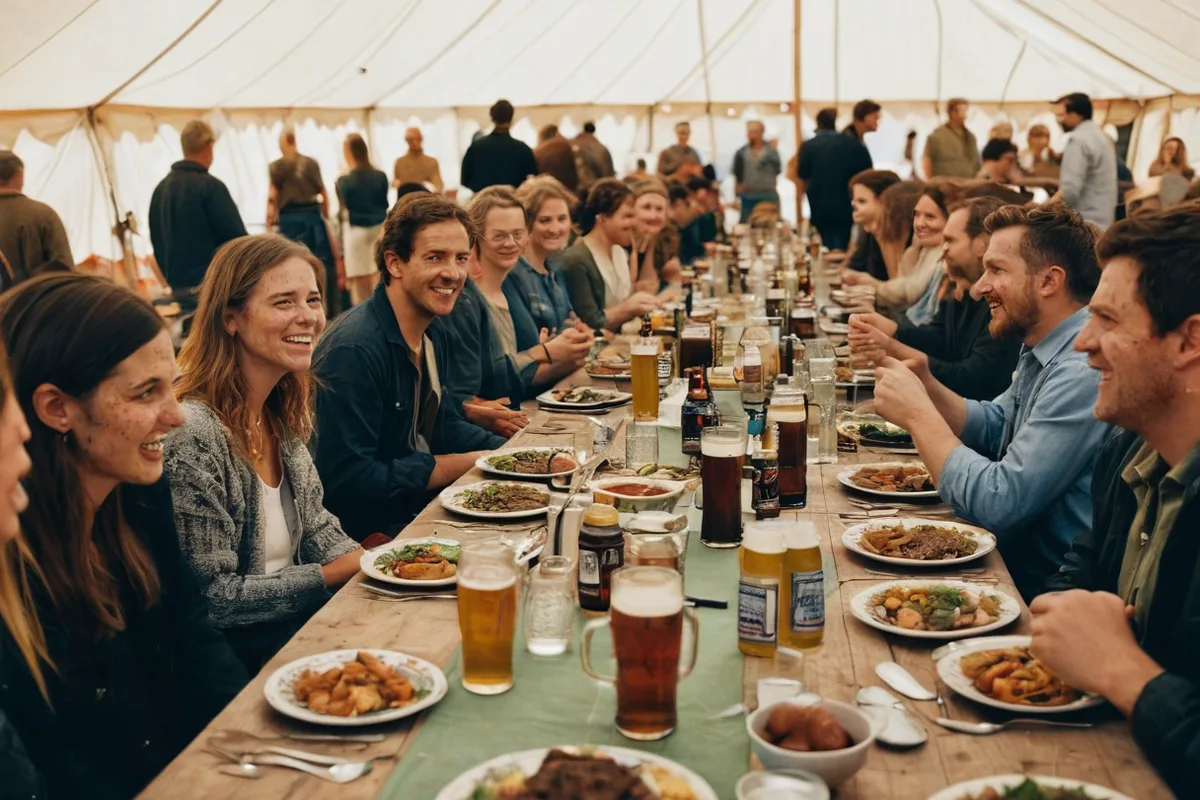
    A full communal table at an Oktoberfest beer tent

    When reservations open for 2026

    Most tents open 2026 bookings in spring — typically April or May. They roll out in rough waves:

    • Early (mid-to-late April): Schottenhamel and Hofbräu usually lead.
    • Middle (early-to-mid May): most of the brewery tents.
    • Late (late May to early June): Augustiner-Festhalle, Käfer Wies’n-Schänke, SchĂĽtzen-Festzelt, and the Weinzelt are often last.

    Popular slots — evenings and weekends — disappear fast, so book the moment your chosen tent opens.

    The cost: reservations are “free” (with a catch)

    Here’s the part that surprises people: the reservation itself is free. There’s no booking fee and no admission ticket. What you pay upfront are Verzehrgutscheine — consumption vouchers for the food and beer your group will order on the day.

    • The big tents can require a minimum of about two beers and half a chicken per person.
    • Premium tents like Käfer Wies’n-Schänke and the Weinzelt require more — around €50 per person before 2 p.m. and €95 after 2 p.m. and on weekends.
    • Small tents typically ask €50 before 2 p.m., €75 after and on weekends.

    The good news: those vouchers are yours to spend on the day, and unused vouchers can be refunded (usually until at least October 31). So you’re pre-paying for what you’d buy anyway — not losing money.

    Beer and roast chicken, what Oktoberfest consumption vouchers buy

    No reservation? You can still get in

    Don’t panic if you didn’t book — entry to every tent is free, and a big chunk of seating is kept reservation-free:

    • About 25% of seats in the big tents can never be reserved.
    • On weekends and holidays, ~40% of seats are reservation-free until 3 p.m., then ~25% after.

    To grab a walk-in table:

    1. Go on a weekday if you can — far easier than weekends.
    2. Arrive in the late morning (the tents open at 9–10 a.m.) and claim a table before the rush.
    3. Be ready to share a table with strangers — it’s normal and half the fun.
    4. Have a backup tent in mind in case your first choice is already “full.”

    Buying a reservation later

    If the official tent bookings have sold out, from September 1, 2026 you can buy verified, existing reservations through the official resale portal. Be cautious of unofficial resellers and scalpers elsewhere — stick to official channels.

    Quick reservation checklist

    1. Pick your tent (see our tent guide) and find its own booking page.
    2. Note that tent’s opening date and book the moment it opens.
    3. Expect to pre-pay consumption vouchers, not a fee — and you’ll spend them on the day.
    4. No reservation? Weekday + late morning + flexibility is your winning formula.

    Plan the rest of your trip: choose your tent in the Beer Tent Guide, sort your stay with Where to Stay in Munich, and check the Oktoberfest 2026 Dates & Schedule.

    Oktoberfest table reservations: frequently asked questions

    Do you need a reservation for Oktoberfest?

    No. A table reservation isn’t required — entry to every tent is free, and about a quarter of the seating in the big tents is always reservation-free. A reservation simply guarantees you a table in advance, which matters most for busy evenings and weekends.

    When do Oktoberfest 2026 reservations open?

    Most tents opened their 2026 booking pages in spring, typically April to June, with Schottenhamel and Hofbräu usually leading in mid-to-late April and tents like Augustiner-Festhalle, Käfer Wies’n-Schänke and the Weinzelt following in late May or June. Each tent runs its own booking system and its own opening date — there’s no central Oktoberfest booking office.

    How much does an Oktoberfest table reservation cost?

    The reservation itself is free — there’s no booking fee. What you pay upfront are Verzehrgutscheine, consumption vouchers for the food and beer your group will order on the day, often around two beers and half a chicken per person at the big tents, more at premium tents like Käfer Wies’n-Schänke and the Weinzelt. Unused vouchers are typically refundable, so you’re pre-paying rather than losing money.

    What are the best tips for booking a table at a popular Oktoberfest tent?

    Book the moment your chosen tent’s page opens, since evening and weekend slots on the popular tents disappear within days. Go directly to that specific tent’s own website rather than a general Oktoberfest site, have your group size and preferred date ready, and keep a second-choice tent in mind in case your first pick sells out.

    It’s August and reservations are gone — how do I still get a table?

    You can still get a seat without a reservation. About 25% of tables in the big tents are always kept reservation-free, rising to around 40% on weekends until 3 p.m. Go on a weekday, arrive in the late morning when tents open (9–10 a.m.), and be ready to share a table with strangers — from 1 September 2026, verified reservations are also resold through the official resale portal, so check that before turning to unofficial sellers.

    Can you reserve a table for two people at Oktoberfest?

    Yes — you book directly with the tent and pay consumption vouchers per person, so two people simply order a smaller package than a group of ten. That said, many popular tents prioritise larger groups for their prime evening slots, so a table for two may have an easier time finding a reservation-free walk-in seat than fighting for a booked one.

    Updated August 2026.

  • Where to Stay in Munich for Oktoberfest: Best Areas & Hotels

    Where to Stay in Munich for Oktoberfest: Best Areas & Hotels

    Bavarian Curious is reader-supported. This article contains affiliate links — if you book or buy through them we may earn a small commission at no extra cost to you. See our disclosure.

    Where you stay can make or break your Oktoberfest trip. Get it right and you’re a short stroll or a few U-Bahn stops from the tents; get it wrong and you’re paying a fortune to be stranded far from the action. Here’s exactly where to base yourself in Munich for Oktoberfest — by neighborhood, budget, and how you like to travel.

    Book early — this is the one rule that matters

    The same is true of airfare, so it is worth checking flights to Munich at the same time as your room. Munich hotels near the Theresienwiese routinely double or triple their rates for Oktoberfest, and the best rooms vanish up to a year in advance. Even two or three months out, options get expensive and scarce fast. If you’re reading this and your dates are set, book now — and book a free-cancellation rate so you can keep hunting for something better without losing your spot.

    Tip: search a refundable room today to lock in a price, then upgrade later if a better deal appears.

    Munich's Altstadt near Sendlinger Tor

    The golden rule of location: stay near the right U-Bahn line

    You don’t need to be next door to the festival. The Theresienwiese is served by the U3, U4, U5, and U6 lines, so any hotel near a stop on one of those lines puts you within ~30 minutes of the tents. That single trick opens up far more (and far cheaper) options than insisting on a hotel you can walk to.

    A cozy Munich hotel room during Oktoberfest

    Best neighborhoods for Oktoberfest

    Ludwigsvorstadt / Westend — closest and most walkable

    The area immediately around the Theresienwiese (Ludwigsvorstadt-Isarvorstadt, including the trendy Westend on the west side) is the prime choice if walking to and from the tents matters most to you. You’ll roll out of bed and be at the festival in minutes — invaluable when you’re carrying a day of MaĂź. Expect the highest prices and earliest sell-outs here.

    Best for: first-timers, groups who want zero transit hassle, anyone prioritizing convenience over cost.

    Altstadt / Sendlinger Tor — central and lively

    Staying in the Old Town (Altstadt) around Sendlinger Tor gives you the best of both worlds: roughly a 15-minute walk to the Theresienwiese and under 20 minutes on foot to Marienplatz, the Viktualienmarkt, and the Residenz. You’re in the heart of Munich’s sights, restaurants, and shopping.

    Best for: travelers who want to see Munich itself, not just the festival.

    Near Hauptbahnhof — convenient and well-connected

    The area around Munich’s central station (Hauptbahnhof) is about a 15-minute walk to the grounds and a transit hub for the whole city and day trips (Neuschwanstein, Salzburg). Lots of hotels at varied price points, though some blocks are more characterful than others.

    Best for: people doing day trips or arriving by train.

    Ostbahnhof (Munich East) — best value

    Not walkable, but a smart pick for budget travelers: hotels here stay relatively affordable even when prices skyrocket elsewhere, and you can reach the Theresienwiese in about 12–25 minutes on the U5. The Ostbahnhof area (Haidhausen) is also a fun, local neighborhood with great bars and restaurants.

    Best for: saving money without being miles away.

    Schwabing — nightlife and a younger scene

    North of the center along the U3/U6, Schwabing is Munich’s lively student-and-nightlife district — leafy streets, bars, and the English Garden nearby. A bit further out, but well connected.

    Best for: younger travelers who want nightlife beyond the tents.

    The Ostbahnhof neighborhood in Munich

    Rough price expectations

    Oktoberfest pricing is steep across the board, but as a guide:

    • Budget (hostels, simple hotels, Ostbahnhof): the lowest tier still climbs sharply during the festival — book early for the best of these.
    • Mid-range (3–4 star, central or near transit): the sweet spot for most visitors.
    • Premium (4–5 star, walkable to Theresienwiese): commands the biggest Oktoberfest markups.

    Exact rates swing wildly by date — the middle weekend and German Unity Day (Oct 3) are the most expensive. Use flexible dates if you can.

    Alternatives to hotels

    • Apartments (vacation rentals): great for groups — a kitchen and shared space can cut costs significantly. Book very early.
    • Stay in a nearby town: Augsburg, Dachau, or even towns on the S-Bahn can be cheaper, at the cost of a longer commute. Check the last-train times — trains fill up and you don’t want to be stranded.
    • Hostels: Munich has excellent, social hostels ideal for solo travelers and budgets.

    Quick booking checklist

    1. Book now if your dates are fixed — inventory only gets worse.
    2. Choose a free-cancellation rate so you can rebook if a better option appears.
    3. Prioritize a hotel near a U3/U4/U5/U6 stop over one you can walk to.
    4. Avoid booking the cheapest room far out without checking the commute and last-train time.
    5. For groups, compare an apartment against multiple hotel rooms.

    Once you’ve sorted where to sleep, read our Oktoberfest 2026 Dates & Schedule to plan which days to go, and our First-Timer’s Guide so you know exactly what to expect inside the tents.

    Where to stay in Munich for Oktoberfest: frequently asked questions

    Where should you stay in Munich for Oktoberfest?

    The best base is any hotel near a stop on the U3, U4, U5 or U6 U-Bahn lines, all of which serve the Theresienwiese directly. Ludwigsvorstadt and Westend are the closest, most walkable neighbourhoods to the festival grounds, while the Altstadt around Sendlinger Tor puts you close to both the tents and Munich’s main sights.

    Where can you find hotel accommodation options near the festival grounds?

    Prioritise a hotel within walking distance of the Theresienwiese in Ludwigsvorstadt or Westend if convenience matters most, or one near a U3/U4/U5/U6 stop elsewhere in the city, which still puts you within about 30 minutes of the tents. The Ostbahnhof area is the best-value alternative, reachable via the U5 in roughly 12–25 minutes.

    How much do Munich hotels cost during Oktoberfest?

    Munich hotel rates routinely double or triple during Oktoberfest compared with a normal week, and the best rooms can sell out up to a year in advance. Budget and hostel options near the Ostbahnhof stay comparatively affordable, while hotels walkable to the Theresienwiese command the steepest markups. Compare live Munich hotel rates on Klook before you commit, since prices shift week to week as the festival approaches.

    How far in advance should you book a Munich hotel for Oktoberfest?

    As early as possible — ideally as soon as your dates are fixed, since rooms near the festival can sell out up to a year ahead and prices only climb as the date approaches. Book a free-cancellation rate so you can keep hunting for a better deal without losing your booking. Start with a quick look at available rooms and Oktoberfest experiences on Klook so you know what’s realistic for your dates.

    Can you stay outside Munich and commute in during Oktoberfest?

    Yes. Towns like Augsburg and Dachau, or others on the S-Bahn network, are often cheaper than central Munich, at the cost of a longer commute. Check the last-train times carefully before you book — trains fill up on festival nights and you don’t want to be stranded.

    Which U-Bahn lines serve the Theresienwiese for Oktoberfest?

    The Theresienwiese is served by the U3, U4, U5 and U6 lines, with Theresienwiese station itself on the U4/U5 and Goetheplatz on the U3/U6 also within easy walking distance. Any hotel near a stop on one of these four lines puts you within about 30 minutes of the festival gates.

    Updated August 2026.

  • What to Wear at Oktoberfest: The Dirndl & Lederhosen Guide

    What to Wear at Oktoberfest: The Dirndl & Lederhosen Guide

    Bavarian Curious is reader-supported. This article contains affiliate links — if you book or buy through them we may earn a small commission at no extra cost to you. See our disclosure.

    You don’t have to dress up for Oktoberfest — but you’ll wish you had. The vast majority of guests, locals included, wear traditional Bavarian dress (Tracht), and slipping into a dirndl or lederhosen instantly makes you part of the celebration rather than a spectator. Here’s everything you need to know to get it right, look authentic, and avoid the costume-shop traps.

    The two essentials: dirndl and lederhosen

    The dirndl (for women) is a traditional Bavarian dress with four parts: a fitted bodice, a high-waisted skirt, a blouse worn underneath, and a decorated apron. Done well, it’s flattering and elegant; done badly, it looks like a costume — and the difference is almost entirely about fit.

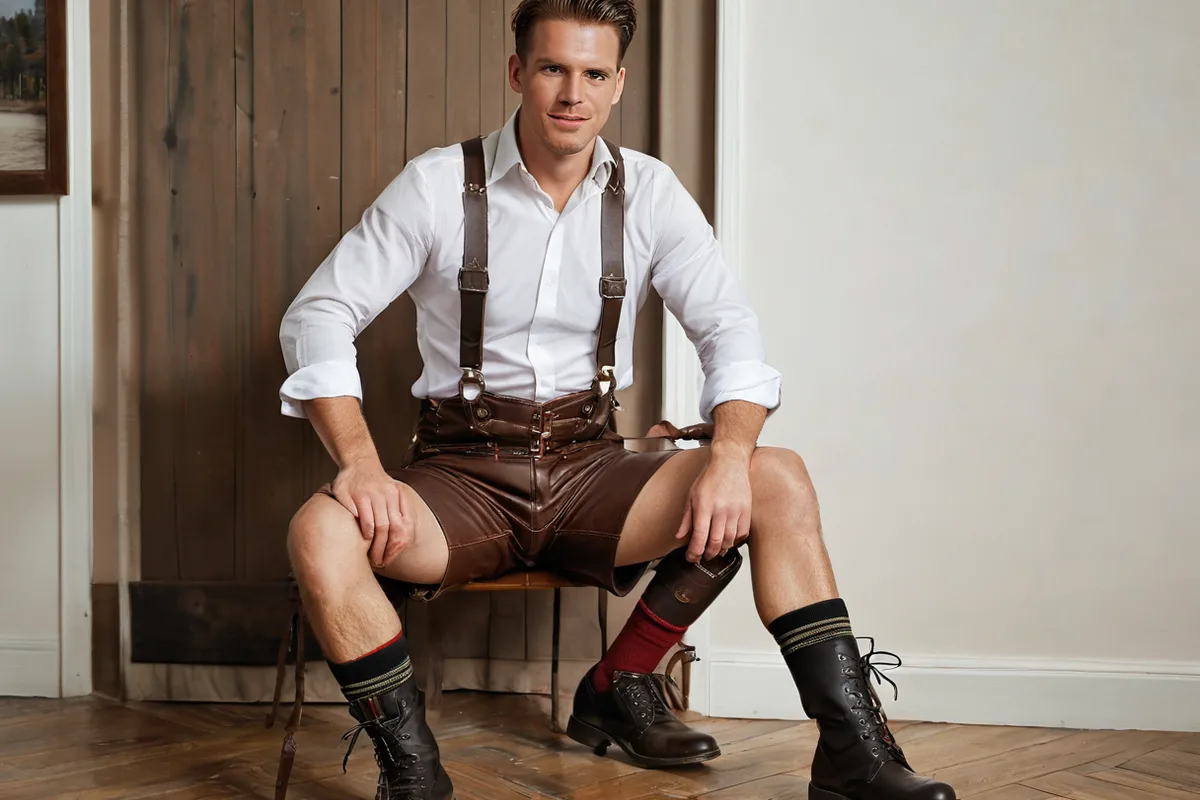
    Lederhosen (for men) are leather breeches, traditionally knee-length (Bundhosen) or shorter, worn with suspenders (Hosenträger), a checked or white shirt, and sturdy shoes. Good leather ages beautifully and lasts decades.

    Dirndl apron bow tied on the left side

    How much should you spend?

    You don’t need to overspend — but you do need a real one, not a flimsy Halloween-style costume that everyone can spot across the tent.

    • Dirndl: a good-quality outfit typically runs around $150–$300. Premium, long-lasting pieces start around €500+.
    • Lederhosen: genuine leather ranges from about €100 to €3,000 depending on leather quality and craftsmanship. You don’t need the top of that range — but avoid the bargain-bin “pleather” versions.

    The rule of thumb: buy the best real one you can afford. It’ll look better, feel better, and last for many Oktoberfests.

    What quality looks like

    Materials matter. Quality dirndls use cotton, linen, silk, velvet, or good blends; aprons are typically silk, satin, linen, or cotton. For lederhosen, look for genuine suede or smooth leather (often goat, deer, or cowhide) with real, hand-finished stitching.

    Fit is everything. A dirndl bodice should be snug but not straining — you should be able to move your arms freely, and the lacing or zip should close without the fabric pulling. The skirt should sit at the natural waist. For lederhosen, the breeches should sit comfortably with the suspenders adjusted so they don’t dig in.

    Lederhosen with traditional Haferl shoes

    The apron bow — what it secretly says

    Here’s the detail that delights every first-timer: the position of the bow on a dirndl apron signals relationship status.

    • Tied on the left = single (and open to mingling)
    • Tied on the right = taken (married or in a relationship)
    • Tied in the center, front = traditionally signals a maiden/virgin (or undecided)
    • Tied at the back = widowed, or it’s the waitstaff

    Tie it intentionally — Bavarians absolutely read it, and so do hopeful strangers across the table.

    A quick fit checklist before you buy

    1. Bodice: snug, arms move freely, lacing/zip closes without strain.
    2. Skirt: sits at the natural waist, not the hips.
    3. Apron: the same length as the skirt or slightly shorter — never longer than the hem, and within a few inches of it. Long enough ties to wrap around and bow securely.
    4. Blouse: sits neatly under the bodice; sleeve length to taste (puff, half, or long).
    5. Lederhosen: suspenders adjusted, breeches comfortable seated and standing on a bench.
    A rack of dirndls in a Trachten shop

    Don’t forget the accessories

    The outfit is only half of it. To complete the look:

    • Men: a checked or white Trachten shirt, Haferl shoes (traditional Bavarian leather shoes), calf socks or Loferl, and optionally an alpine hat.
    • Women: the right blouse, comfortable flats or low heels (you’ll be on your feet and standing on benches — skip the stilettos), and simple jewelry. A Trachten cardigan or shawl is smart for cool September evenings.

    Where to buy

    • Online (most convenient): order ahead so it arrives in time to check the fit and exchange if needed. This is the easiest route for international visitors. (See our recommended picks below.)
    • In Munich: the city has everything from high-end Trachten houses to department stores and even vintage/second-hand dirndl shops for a one-of-a-kind, sustainable find. Buying in Munich also means expert help with fit — but expect crowds and higher prices in festival season.
    • Avoid: ultra-cheap “sexy Oktoberfest costume” sets. They photograph badly, fall apart, and mark you instantly as a tourist.

    The bottom line

    Buy one good, real piece that fits properly, add the right accessories, tie your apron bow with intent, and wear comfortable shoes. Do that and you’ll look — and feel — like you belong on the bench, MaĂź in hand, singing along to Ein Prosit.


    Newly kitted out? Pair this with our First-Timer’s Guide for etiquette and what to expect, and our Beer Tent Guide to pick the perfect tent.

    What to wear at Oktoberfest: frequently asked questions

    What do you wear to Oktoberfest?

    Most guests, locals included, wear traditional Bavarian dress, or Tracht: a dirndl (a fitted-bodice dress with a blouse and apron) for women, and lederhosen (leather breeches with suspenders and a checked shirt) for men. You don’t have to dress up, but doing so is what makes the festival feel like a shared celebration rather than a spectator sport.

    Do you have to wear a dirndl or lederhosen at Oktoberfest?

    No, it isn’t required — you can attend in ordinary clothes. But since the large majority of guests dress in Tracht, wearing it is the easiest way to feel part of the celebration rather than standing out as a tourist, and it’s worth the investment if you plan to go more than once.

    Which side do you tie a dirndl bow on?

    The position of the bow on a dirndl apron signals relationship status: tied on the left means single, tied on the right means taken, and tied at the centre front traditionally signals a maiden or someone undecided. A bow tied at the back means widowed — or that you’re waitstaff, so tie it with intent.

    What are the best websites for authentic lederhosen and dirndl?

    Buy from a dedicated Trachten retailer rather than a generic costume site, and look for genuine leather (goat, deer or cowhide) for lederhosen and cotton, linen or silk for a dirndl bodice and apron, with real hand-finished stitching. Order early enough to check the fit and exchange if needed — international shipping for festival season gets slower as September approaches.

    What are reliable services for renting traditional Bavarian outfits?

    Munich itself is the most reliable place to rent — the city has dedicated Trachten shops, department stores, and even vintage or second-hand dirndl shops that offer rentals or affordable one-off pieces alongside sales, particularly in the Altstadt. Renting in person also means you get help with fit on the spot, though expect crowds and higher prices as the festival gets closer, so go early in your trip rather than the day you plan to wear it.

    How much should you spend on a dirndl or lederhosen?

    Budget around €150–€300 for a good-quality dirndl, with premium, long-lasting pieces starting near €500. Genuine leather lederhosen range from roughly €100 to €3,000 depending on the leather and craftsmanship — you don’t need the top of that range, just a real leather pair rather than a cheap synthetic costume.

    Updated August 2026.