Category: Oktoberfest

  • Where to Stay in Munich for Oktoberfest: Best Areas & Hotels

    Bavarian Curious is reader-supported. This article contains affiliate links — if you book or buy through them we may earn a small commission at no extra cost to you. See our disclosure.

    Where you stay can make or break your Oktoberfest trip. Get it right and you’re a short stroll or a few U-Bahn stops from the tents; get it wrong and you’re paying a fortune to be stranded far from the action. Here’s exactly where to base yourself in Munich for Oktoberfest — by neighborhood, budget, and how you like to travel.

    Book early — this is the one rule that matters

    Munich hotels near the Theresienwiese routinely double or triple their rates for Oktoberfest, and the best rooms vanish up to a year in advance. Even two or three months out, options get expensive and scarce fast. If you’re reading this and your dates are set, book now — and book a free-cancellation rate so you can keep hunting for something better without losing your spot.

    Tip: search a refundable room today to lock in a price, then upgrade later if a better deal appears.

    The golden rule of location: stay near the right U-Bahn line

    You don’t need to be next door to the festival. The Theresienwiese is served by the U3, U4, U5, and U6 lines, so any hotel near a stop on one of those lines puts you within ~30 minutes of the tents. That single trick opens up far more (and far cheaper) options than insisting on a hotel you can walk to.

    Best neighborhoods for Oktoberfest

    Ludwigsvorstadt / Westend — closest and most walkable

    The area immediately around the Theresienwiese (Ludwigsvorstadt-Isarvorstadt, including the trendy Westend on the west side) is the prime choice if walking to and from the tents matters most to you. You’ll roll out of bed and be at the festival in minutes — invaluable when you’re carrying a day of MaĂź. Expect the highest prices and earliest sell-outs here.

    Best for: first-timers, groups who want zero transit hassle, anyone prioritizing convenience over cost.

    Altstadt / Sendlinger Tor — central and lively

    Staying in the Old Town (Altstadt) around Sendlinger Tor gives you the best of both worlds: roughly a 15-minute walk to the Theresienwiese and under 20 minutes on foot to Marienplatz, the Viktualienmarkt, and the Residenz. You’re in the heart of Munich’s sights, restaurants, and shopping.

    Best for: travelers who want to see Munich itself, not just the festival.

    Near Hauptbahnhof — convenient and well-connected

    The area around Munich’s central station (Hauptbahnhof) is about a 15-minute walk to the grounds and a transit hub for the whole city and day trips (Neuschwanstein, Salzburg). Lots of hotels at varied price points, though some blocks are more characterful than others.

    Best for: people doing day trips or arriving by train.

    Ostbahnhof (Munich East) — best value

    Not walkable, but a smart pick for budget travelers: hotels here stay relatively affordable even when prices skyrocket elsewhere, and you can reach the Theresienwiese in about 12–25 minutes on the U5. The Ostbahnhof area (Haidhausen) is also a fun, local neighborhood with great bars and restaurants.

    Best for: saving money without being miles away.

    Schwabing — nightlife and a younger scene

    North of the center along the U3/U6, Schwabing is Munich’s lively student-and-nightlife district — leafy streets, bars, and the English Garden nearby. A bit further out, but well connected.

    Best for: younger travelers who want nightlife beyond the tents.

    Rough price expectations

    Oktoberfest pricing is steep across the board, but as a guide:

    • Budget (hostels, simple hotels, Ostbahnhof): the lowest tier still climbs sharply during the festival — book early for the best of these.
    • Mid-range (3–4 star, central or near transit): the sweet spot for most visitors.
    • Premium (4–5 star, walkable to Theresienwiese): commands the biggest Oktoberfest markups.

    Exact rates swing wildly by date — the middle weekend and German Unity Day (Oct 3) are the most expensive. Use flexible dates if you can.

    Alternatives to hotels

    • Apartments (vacation rentals): great for groups — a kitchen and shared space can cut costs significantly. Book very early.
    • Stay in a nearby town: Augsburg, Dachau, or even towns on the S-Bahn can be cheaper, at the cost of a longer commute. Check the last-train times — trains fill up and you don’t want to be stranded.
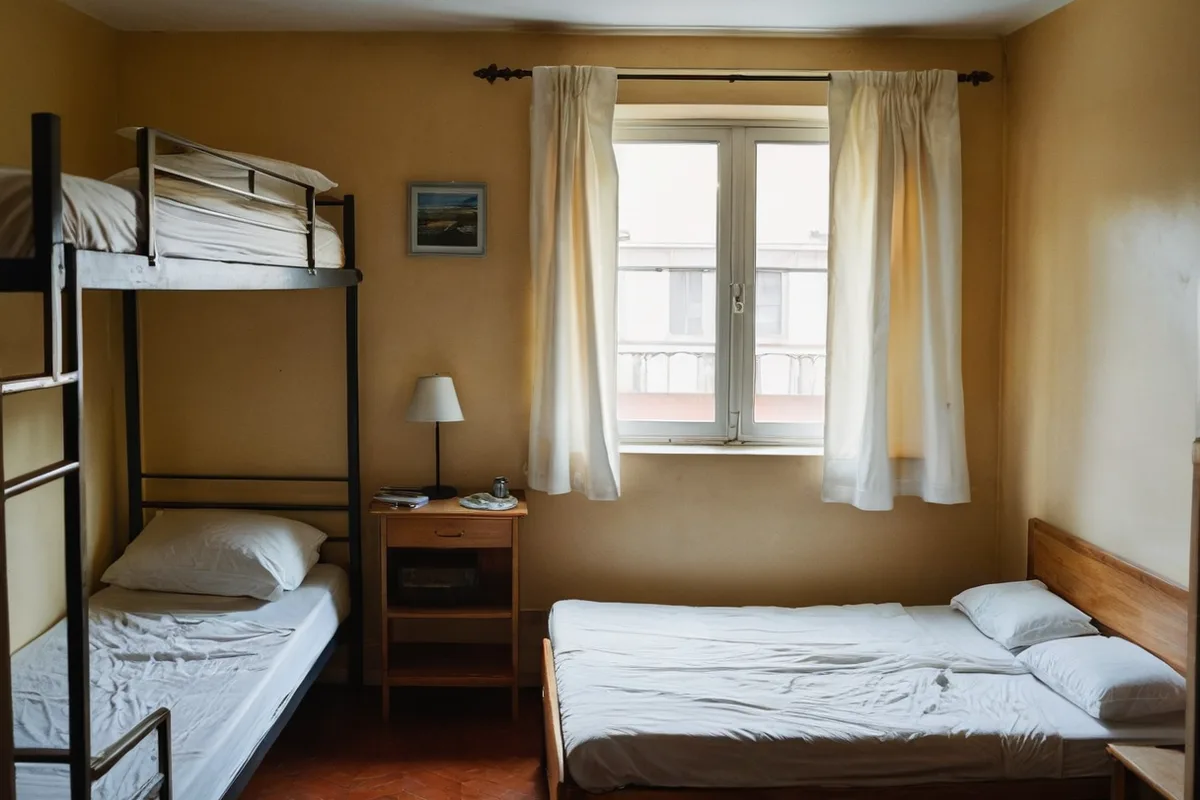
    • Hostels: Munich has excellent, social hostels ideal for solo travelers and budgets.

    Quick booking checklist

    1. Book now if your dates are fixed — inventory only gets worse.
    2. Choose a free-cancellation rate so you can rebook if a better option appears.
    3. Prioritize a hotel near a U3/U4/U5/U6 stop over one you can walk to.
    4. Avoid booking the cheapest room far out without checking the commute and last-train time.
    5. For groups, compare an apartment against multiple hotel rooms.

    Once you’ve sorted where to sleep, read our Oktoberfest 2026 Dates & Schedule to plan which days to go, and our First-Timer’s Guide so you know exactly what to expect inside the tents.

  • What to Wear at Oktoberfest: The Dirndl & Lederhosen Guide

    Bavarian Curious is reader-supported. This article contains affiliate links — if you book or buy through them we may earn a small commission at no extra cost to you. See our disclosure.

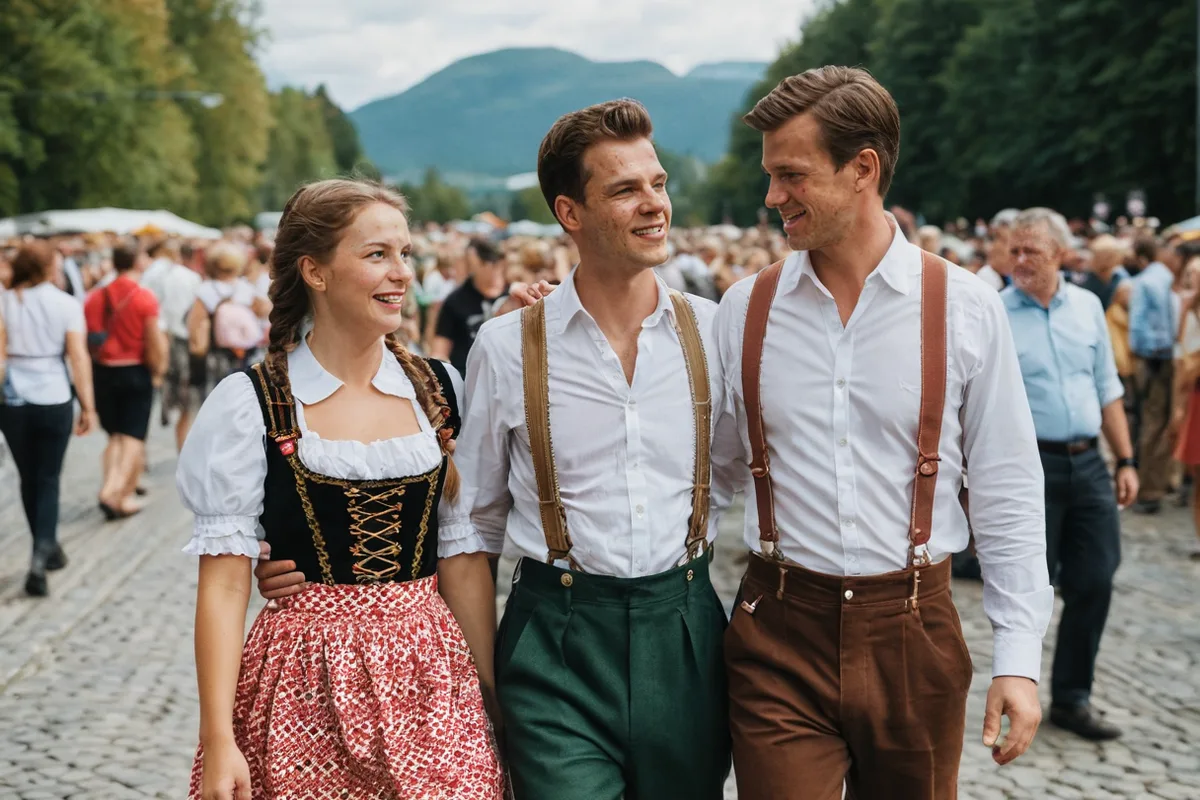
    You don’t have to dress up for Oktoberfest — but you’ll wish you had. The vast majority of guests, locals included, wear traditional Bavarian dress (Tracht), and slipping into a dirndl or lederhosen instantly makes you part of the celebration rather than a spectator. Here’s everything you need to know to get it right, look authentic, and avoid the costume-shop traps.

    The two essentials: dirndl and lederhosen

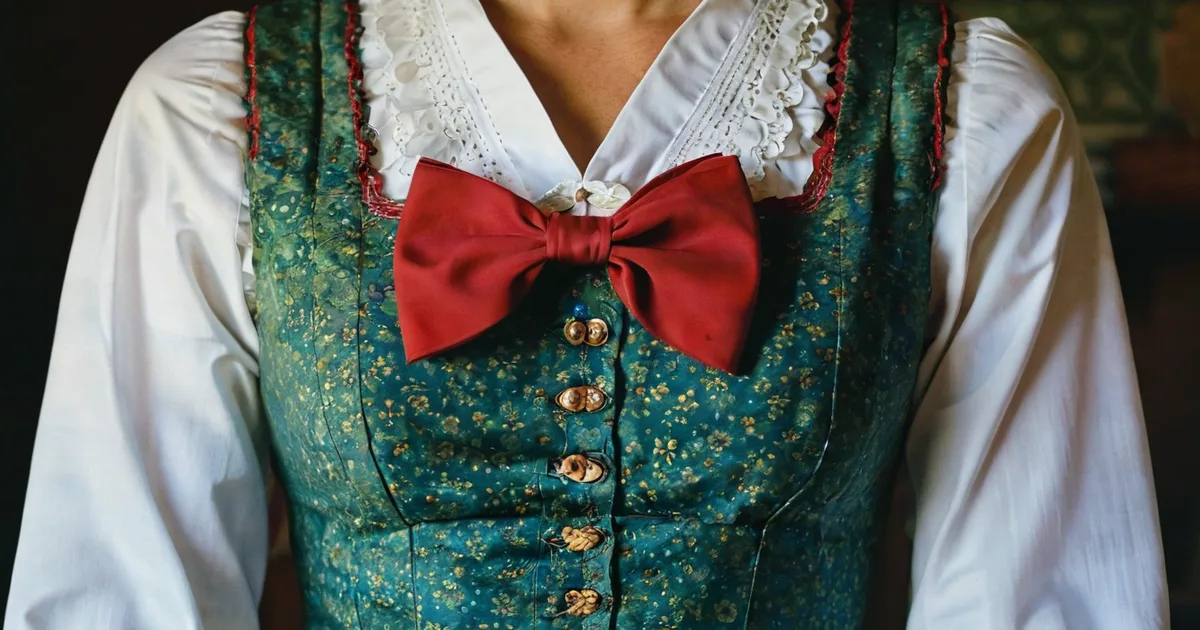
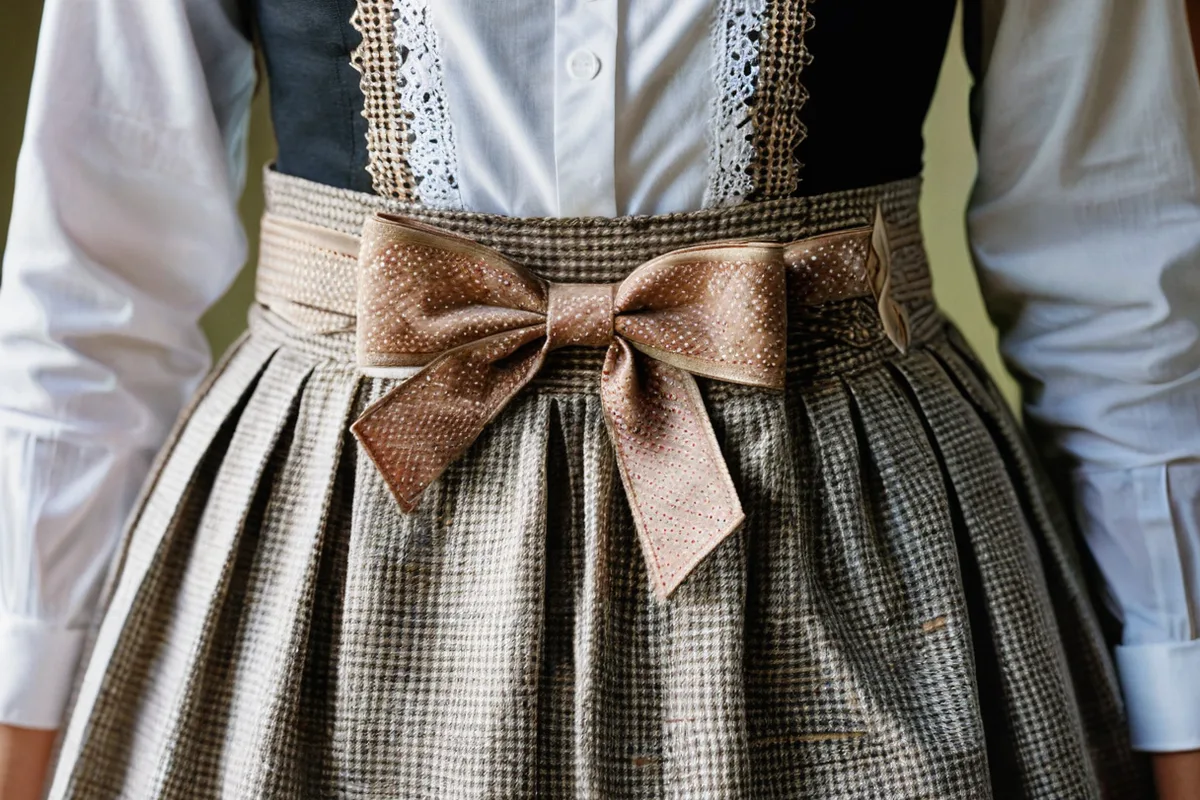
    The dirndl (for women) is a traditional Bavarian dress with four parts: a fitted bodice, a high-waisted skirt, a blouse worn underneath, and a decorated apron. Done well, it’s flattering and elegant; done badly, it looks like a costume — and the difference is almost entirely about fit.

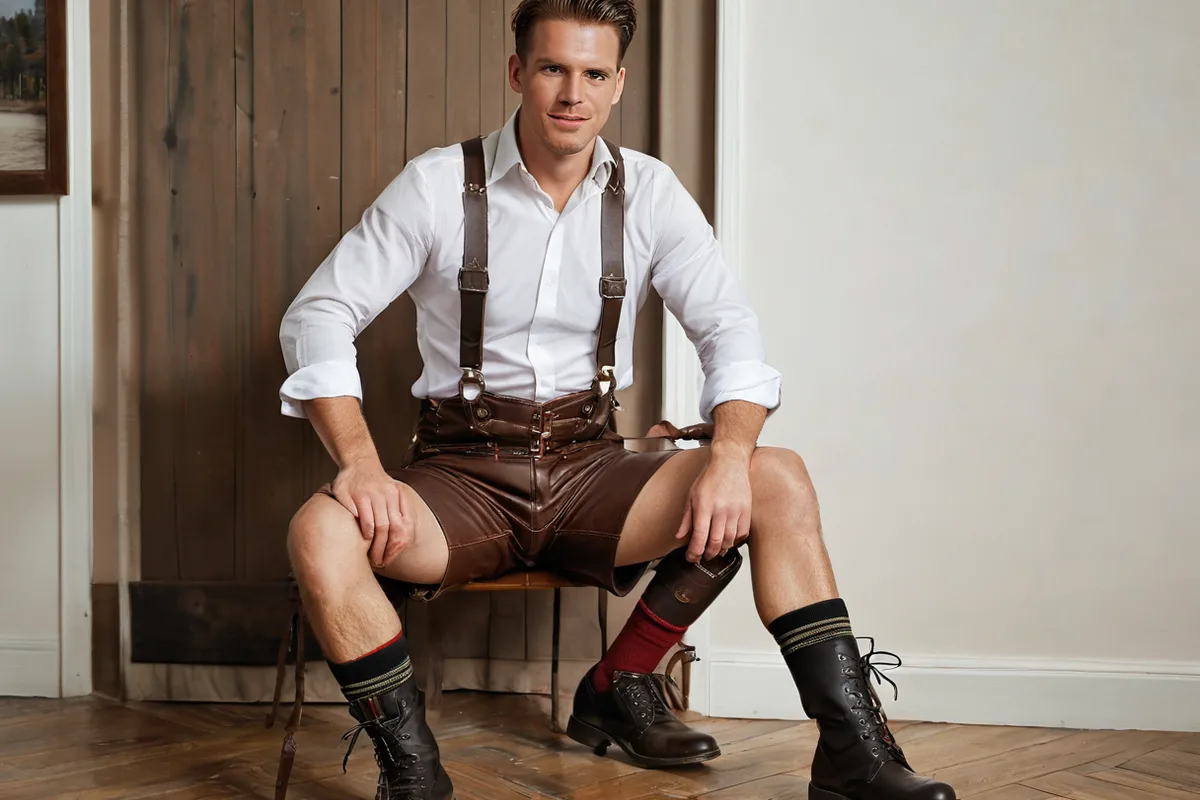
    Lederhosen (for men) are leather breeches, traditionally knee-length (Bundhosen) or shorter, worn with suspenders (Hosenträger), a checked or white shirt, and sturdy shoes. Good leather ages beautifully and lasts decades.

    How much should you spend?

    You don’t need to overspend — but you do need a real one, not a flimsy Halloween-style costume that everyone can spot across the tent.

    • Dirndl: a good-quality outfit typically runs around $150–$300. Premium, long-lasting pieces start around €500+.
    • Lederhosen: genuine leather ranges from about €100 to €3,000 depending on leather quality and craftsmanship. You don’t need the top of that range — but avoid the bargain-bin “pleather” versions.

    The rule of thumb: buy the best real one you can afford. It’ll look better, feel better, and last for many Oktoberfests.

    What quality looks like

    Materials matter. Quality dirndls use cotton, linen, silk, velvet, or good blends; aprons are typically silk, satin, linen, or cotton. For lederhosen, look for genuine suede or smooth leather (often goat, deer, or cowhide) with real, hand-finished stitching.

    Fit is everything. A dirndl bodice should be snug but not straining — you should be able to move your arms freely, and the lacing or zip should close without the fabric pulling. The skirt should sit at the natural waist. For lederhosen, the breeches should sit comfortably with the suspenders adjusted so they don’t dig in.

    The apron bow — what it secretly says

    Here’s the detail that delights every first-timer: the position of the bow on a dirndl apron signals relationship status.

    • Tied on the left = single (and open to mingling)
    • Tied on the right = taken (married or in a relationship)
    • Tied in the center, front = traditionally signals a maiden/virgin (or undecided)
    • Tied at the back = widowed, or it’s the waitstaff

    Tie it intentionally — Bavarians absolutely read it, and so do hopeful strangers across the table.

    A quick fit checklist before you buy

    1. Bodice: snug, arms move freely, lacing/zip closes without strain.
    2. Skirt: sits at the natural waist, not the hips.
    3. Apron: the same length as the skirt or slightly shorter — never longer than the hem, and within a few inches of it. Long enough ties to wrap around and bow securely.
    4. Blouse: sits neatly under the bodice; sleeve length to taste (puff, half, or long).
    5. Lederhosen: suspenders adjusted, breeches comfortable seated and standing on a bench.

    Don’t forget the accessories

    The outfit is only half of it. To complete the look:

    • Men: a checked or white Trachten shirt, Haferl shoes (traditional Bavarian leather shoes), calf socks or Loferl, and optionally an alpine hat.
    • Women: the right blouse, comfortable flats or low heels (you’ll be on your feet and standing on benches — skip the stilettos), and simple jewelry. A Trachten cardigan or shawl is smart for cool September evenings.

    Where to buy

    • Online (most convenient): order ahead so it arrives in time to check the fit and exchange if needed. This is the easiest route for international visitors. (See our recommended picks below.)
    • In Munich: the city has everything from high-end Trachten houses to department stores and even vintage/second-hand dirndl shops for a one-of-a-kind, sustainable find. Buying in Munich also means expert help with fit — but expect crowds and higher prices in festival season.
    • Avoid: ultra-cheap “sexy Oktoberfest costume” sets. They photograph badly, fall apart, and mark you instantly as a tourist.

    The bottom line

    Buy one good, real piece that fits properly, add the right accessories, tie your apron bow with intent, and wear comfortable shoes. Do that and you’ll look — and feel — like you belong on the bench, MaĂź in hand, singing along to Ein Prosit.


    Newly kitted out? Pair this with our First-Timer’s Guide for etiquette and what to expect, and our Beer Tent Guide to pick the perfect tent.

  • Oktoberfest Beer Tent Guide: How to Choose the Right Tent

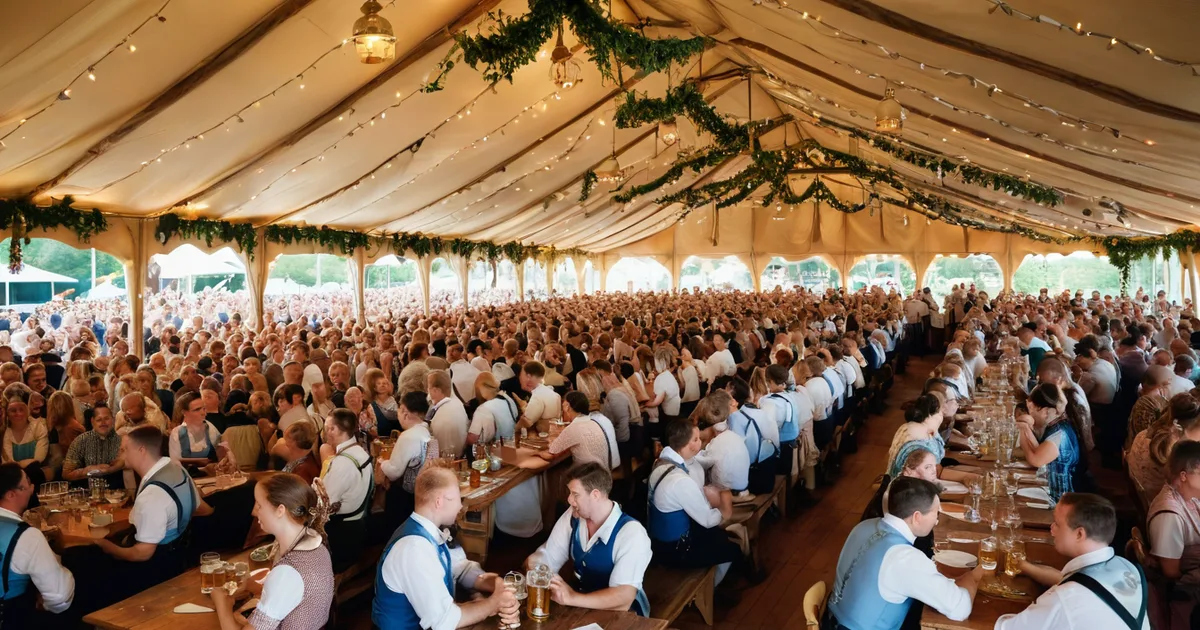
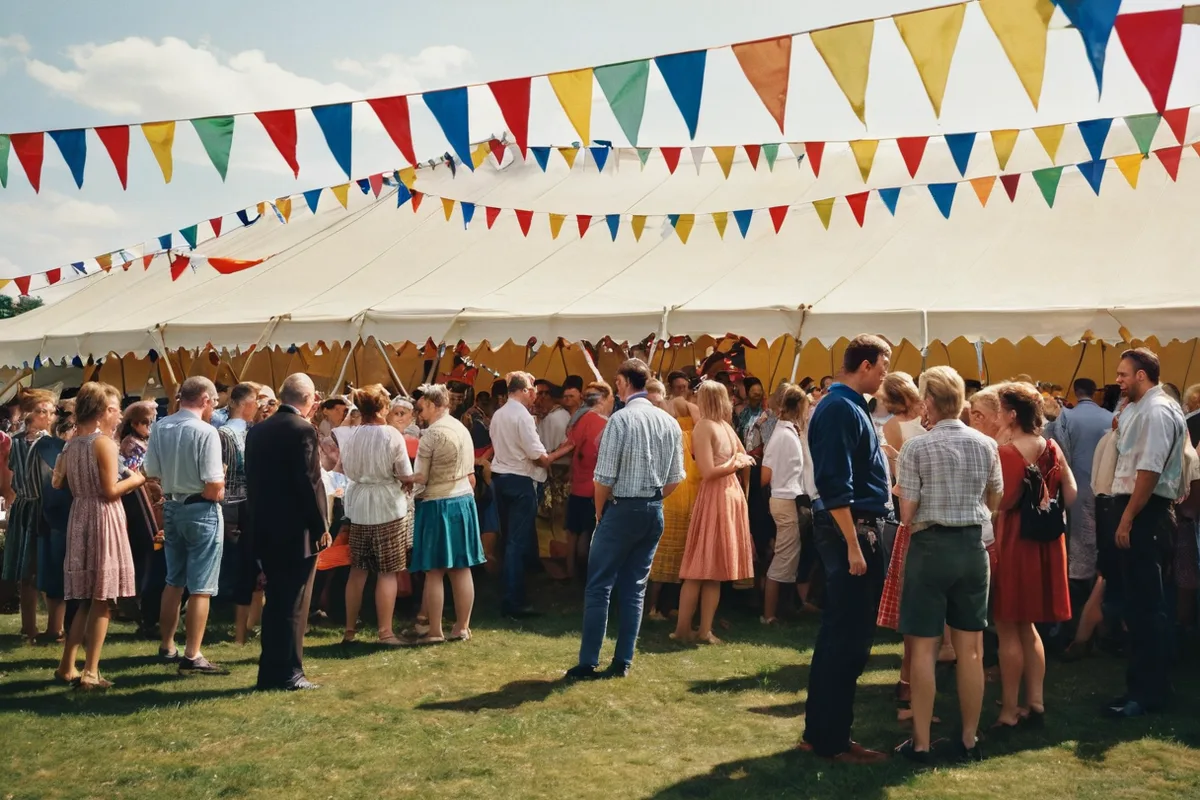
    The beer tents are Oktoberfest. Walk the Theresienwiese and you’ll pass roller coasters, sausage stalls, and souvenir stands — but the heart of the festival beats inside the enormous Festzelte, where brass bands play, benches sway, and thousands of people raise one-liter steins together. Choosing the right tent makes or breaks your day, and they are far from interchangeable. Here’s how to pick.

    How Oktoberfest tents work

    A few things every first-timer should know:

    • There are 14 large tents, each run by a different host and pouring one of Munich’s six festival beers. Each seats between roughly 5,000 and 10,000 people indoors and out.
    • Entry is free, but you can only be served beer if you have a seat at a table. No seat, no MaĂź.
    • On weekends and most evenings the popular tents fill up and close their doors when full — sometimes by late morning. Arrive early or reserve.
    • Beyond the big 14, there are charming smaller tents and the historical Oide Wiesn worth exploring.

    The 14 big beer tents at a glance

    Schottenhamel-Festhalle — The most famous of all: this is where Munich’s mayor taps the first keg and shouts “O’zapft is!” to open the festival. Traditional by day, it turns into a young, high-energy party crowd in the evenings. Beer: Spaten.

    Hofbräu-Festzelt — The international party tent. Backed by the world-famous Hofbräuhaus, it draws huge crowds of visitors from the US, Australia, Italy and beyond, with a standing-room area in front of the band and pop hits alongside the oompah. Loud, rowdy, fun. Beer: Hofbräu.

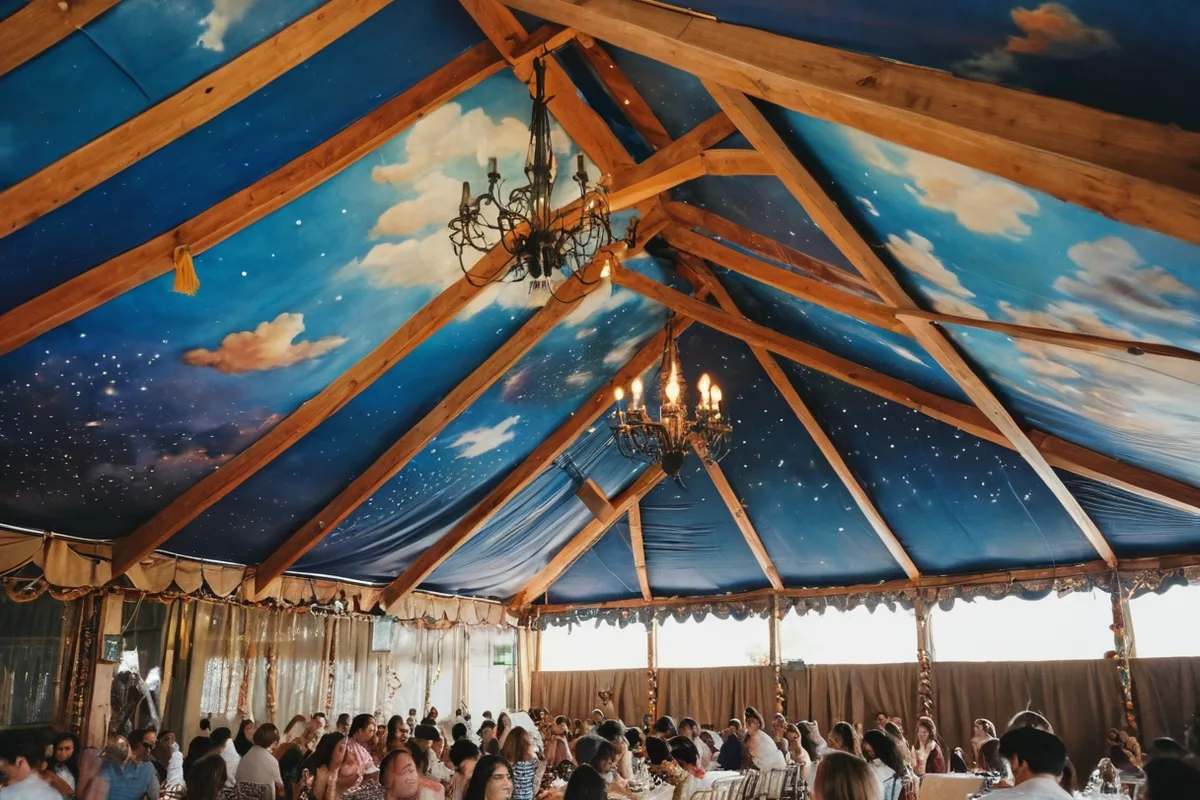
    Hacker-Festzelt — “Himmel der Bayern” (Heaven of the Bavarians), with a famous painted sky ceiling and a removable roof. A brilliant balance of tradition and party, with a rock band that gets the benches dancing at night. Beer: Hacker-Pschorr.

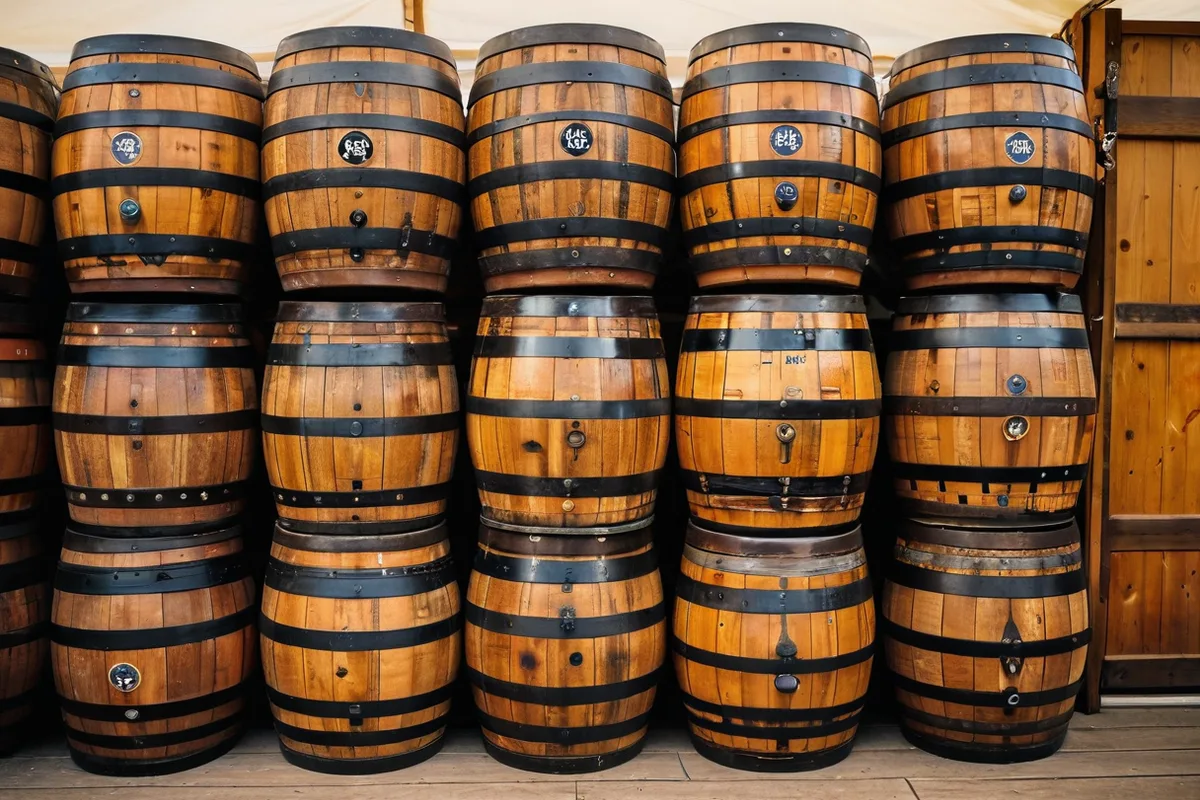
    Augustiner-Festhalle — The local favorite and the most traditional big tent. Augustiner is the only brewery still serving from old-fashioned wooden barrels (Hirschen), and the atmosphere is warm, family-friendly, and authentically Bavarian. Beer: Augustiner.

    Paulaner Festzelt — Towering and beautifully decorated, with a spinning Paulaner sign above. Lively, popular, and a reliably great party in the evenings. Beer: Paulaner.

    Löwenbräu-Festzelt — Marked by the giant roaring lion above the entrance who periodically bellows “Löööwenbräu!” A favorite of football fans and a solid all-rounder. Beer: Löwenbräu.

    Marstall — One of the newer big tents, with an elegant equestrian (horse) theme and a carousel-style band stage. Polished and slightly upscale. Beer: Spaten.

    Ochsenbraterei — Famous for its spit-roasted ox; a sign tallies how many oxen have been eaten so far. Hearty, traditional, and great for food lovers. Beer: Spaten.

    Bräurosl (Pschorr-Bräurosl) — A huge, traditional tent with a famous yodeler and a friendly, less touristy feel. Beer: Hacker-Pschorr.

    Fischer-Vroni — Beloved for its Steckerlfisch (grilled fish on a stick) and a cozy, characterful atmosphere. Smaller and more relaxed than the party giants. Beer: Augustiner.

    Schützen-Festzelt — Tucked beneath the Bavaria statue, smaller and stylish, known for its roast suckling pig and a good mix of tradition and fun. Beer: Löwenbräu.

    Armbrustschützenzelt — Home to the Oktoberfest crossbow competition, with a classic Bavarian feel and a loyal following. Beer: Paulaner.

    Käfer Wies’n-Schänke — Smaller, chic, and famous as the celebrity tent, open latest of all (until 1 a.m.). Excellent food, harder to get into. Beer: Paulaner.

    Kufflers Weinzelt — The wine tent. Sixteen wines and sparkling wines plus Paulaner wheat beer; a stylish, slightly older crowd and also open until 1 a.m. Beer/Wine: Paulaner wheat beer + wines.

    Which tent should you choose?

    For the classic opening ceremony: Schottenhamel (book far ahead — it’s the hardest seat on opening Saturday).

    For a big international party: Hofbräu or Paulaner.

    For tradition and local atmosphere: Augustiner or Bräurosl.

    For food first: Ochsenbraterei (ox), Fischer-Vroni (fish), or SchĂĽtzen (suckling pig).

    For a quieter, classier evening: Käfer, Kufflers Weinzelt, or Marstall.

    For families during the day: Augustiner and the Oide Wiesn are calmest, especially before mid-afternoon. (Tuesdays are official family days with discounted rides.)

    Tips for getting a seat

    • Reserve in advance if you can. Reservations are made directly with each tent, are usually free, but require buying a minimum number of food-and-beer vouchers — and the best slots sell out months ahead.
    • No reservation? Arrive on a weekday late morning or early afternoon, when walk-in tables are easiest.
    • Tables are shared — it’s normal and friendly to join strangers. A cheerful “Ist hier noch frei?” (“Is this seat free?”) goes a long way.
    • Cash is king for beer and food, and have small notes ready for tips.

    New to the Wiesn? Pair this with our first-timer’s guide and our article on what to wear. And check our Oktoberfest 2026 dates and schedule guide to plan which days to go.

  • First-Timer’s Guide to Oktoberfest: Everything You Need to Know

    So you’re finally going to Oktoberfest. Brilliant choice — it’s the biggest, most joyful folk festival on the planet, and there’s nothing quite like your first time stepping into a roaring beer tent. But the Munich Wiesn has its own rhythms and rules, and a little preparation turns a chaotic day into a great one. Here’s everything a first-timer needs to know.

    What Oktoberfest actually is

    Oktoberfest is a 16-day folk festival (a Volksfest) held on Munich’s Theresienwiese fairgrounds, locally nicknamed the Wiesn. It’s part giant funfair — roller coasters, Ferris wheel, games, sweets — and part beer celebration, anchored by 14 enormous beer tents. Roughly six million people attend each year. It runs from mid-September into early October; for exact dates, see our Oktoberfest 2026 dates and schedule guide.

    It’s also free to enter. You don’t buy a ticket to get onto the grounds or into a tent — you pay for what you eat, drink, and ride.

    Getting there

    Skip the car — there’s no visitor parking and Munich’s transit is excellent. Take the U-Bahn to Theresienwiese (U4/U5), Goetheplatz (U3/U6), or Schwanthalerhöhe (U4/U5), or walk about 15 minutes from the Hauptbahnhof (Central Station). Trains get extremely crowded at peak times, so allow extra time.

    How the beer tents work

    This trips up almost every first-timer, so read carefully:

    • You can only be served beer if you have a seat at a table. No seat, no MaĂź.
    • Beer is sold only by the liter — a one-liter glass stein called a MaĂź. It’s heavier and stronger than it looks (around 6% ABV), so pace yourself.
    • Only the six official Munich breweries are served: Augustiner, Hacker-Pschorr, Hofbräu, Löwenbräu, Paulaner, and Spaten.
    • On weekends and evenings, popular tents fill up and close their doors. Either reserve a table in advance or arrive early — weekday afternoons are easiest for walk-ins.
    • Tables are communal. Sharing with strangers is normal and half the fun.

    Not sure which tent to pick? Our beer tent guide breaks down all 14.

    What it costs

    Budget realistically. A MaĂź of beer runs around €15–€16.50 (2026 prices are confirmed each summer). A big meal — half a roast chicken (Hendl), pork knuckle, or sausages — is roughly €15–€20. Add tips (rounding up €1–2 per drink is customary), rides, and souvenirs, and a full day in the tents can easily reach €80–€120 per person. Bring cash — many tents don’t take cards for beer and food, and there are ATMs on-site but with long lines.

    What to wear

    You don’t have to dress up, but most people do, and you’ll feel more part of it in traditional dress (Tracht): Lederhosen for men, a Dirndl for women. A couple of insider notes:

    • The bow on a dirndl apron signals relationship status: tied on the left = single, on the right = taken, center = virgin/undecided, back = widowed or waitstaff.
    • Buy a decent set if you can — cheap costume versions are easy to spot. We cover this in detail in our dirndl and lederhosen guide.
    • Wear comfortable, closed shoes. You’ll stand on benches, and the grounds get messy.

    Etiquette and the mistakes to avoid

    A few things that mark you out as a respectful guest rather than a rowdy tourist:

    • Don’t stand on the tables — standing on the benches to sing and toast is encouraged; standing on the tables gets you thrown out.
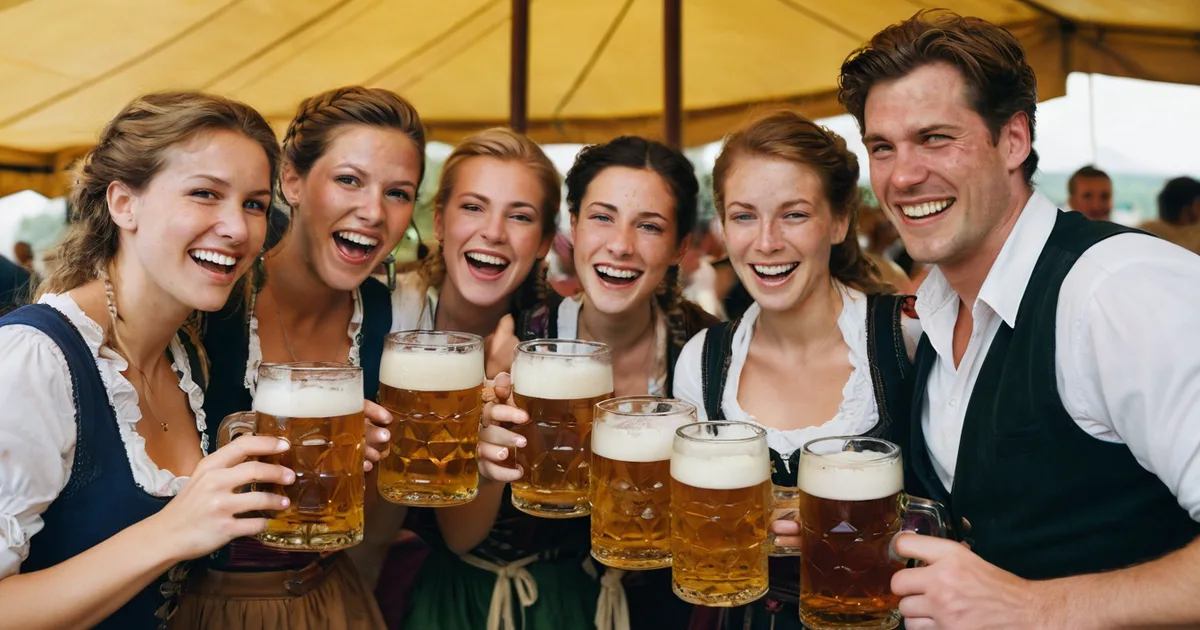
    • Wait for the toast. When the band plays “Ein Prosit,” everyone raises their MaĂź together. Make eye contact when you clink, say “Prost!”, and take a sip.
    • Tip your server. They’re hauling 10+ steins at a time. Round up generously.
    • Don’t chug to keep up. A liter at a time adds up fast; alternate with water and food.
    • Don’t skip breakfast. Locals start the day with WeiĂźwurst (white sausage) and a pretzel for good reason.
    • Mind your stein. Stealing glasses is a real offense — security checks bags at the exits.

    A simple first-timer game plan

    1. Go on a weekday if you can, for smaller crowds and easier seating.
    2. Arrive late morning, eat a proper meal early, and grab a seat before the rush.
    3. Pick one or two tents rather than tent-hopping all day.
    4. Pace yourself, drink water, and enjoy the rides and grounds between tents.
    5. Have a plan to get back — note your U-Bahn line before the beer kicks in.

    Ready to go deeper? See our Oktoberfest 2026 dates and schedule, the full beer tent guide, and our dirndl and lederhosen guide to look the part.

  • Oktoberfest 2026 Dates, Schedule & Key Events: The Complete Guide

    Planning a trip to the world’s largest folk festival? Here’s everything you need to know about Oktoberfest 2026, including the official dates, the full schedule of events, daily opening hours, what a beer will cost, and the traditions that make the Munich Wiesn unlike anything else on earth.

    When is Oktoberfest 2026?

    Oktoberfest 2026 runs from Saturday, September 19 to Sunday, October 4, 2026 — 16 days of Bavarian beer, music, and tradition on Munich’s Theresienwiese fairgrounds. This will be the 191st Oktoberfest.

    If the September start date surprises you, you’re not alone. Despite the name, the festival has always begun in mid-to-late September, when Munich’s weather is warmer and the long beer-garden afternoons are at their best. It simply runs into early October — and in 2026 it stretches to October 4 to include the first weekend of the month.

    One date worth circling: Saturday, October 3 is German Unity Day, a national holiday. Expect the grounds to be especially packed that weekend.

    The Oktoberfest 2026 opening day (Saturday, September 19)

    Opening day follows a centuries-old ritual that’s worth seeing in person:

    • 9:00 a.m. — The beer tents open their doors.
    • ~10:45 a.m. — The Grand Entry of the Oktoberfest Landlords and Breweries begins, a colorful parade of horse-drawn beer wagons, brass bands, and decorated carriages winding through the city to the fairgrounds, led by the MĂĽnchner Kindl (Munich’s child mascot) on horseback.
    • 12:00 noon — Munich’s Lord Mayor taps the first keg inside the Schottenhamel tent and shouts “O’zapft is!” (“It’s tapped!”). Only then does the beer officially begin to flow across the festival. Twelve gun salutes signal to the other tents that serving can begin.

    No beer is served before noon on opening day, so plan your morning around the ceremony rather than a 9 a.m. MaĂź.

    Oktoberfest 2026 schedule: key events

    Four signature moments anchor the festival calendar:

    Opening Parade & Ceremonial Tapping — Saturday, September 19. The landlords’ entry and the noon keg-tapping described above.

    Traditional Costume & Riflemen’s Parade — Sunday, September 20, 10:00 a.m. One of the highlights of the entire festival: roughly 9,000 participants in historic Bavarian and Alpine dress, marching bands, riflemen, and decorated horses parade about 7 km through Munich. It’s free to watch from the streets.

    Daily life on the Wiesn — September 21 to October 3. Tents, rides, parades of oompah music, and the famous fairground attractions run every day.

    Closing Ceremony — Sunday, October 4. On the final evening, the Hacker-Pschorr tent hosts an unofficial but beloved farewell: the lights dim, thousands of guests light sparklers, and the crowd links arms to sing traditional songs together. It’s an emotional send-off until next year.

    Daily opening hours

    Hours differ slightly between the opening Saturday, regular days, and the large versus smaller tents:

    Day type Fairgrounds & tents Beer service
    Opening Saturday (Sept 19) Tents open 9:00 a.m. Beer from 12:00 noon
    Weekdays (Mon–Fri) 10:00 a.m. – 11:30 p.m. Last beer ~10:30 p.m.
    Weekends & holidays 9:00 a.m. – 11:30 p.m. Last beer ~10:30 p.m.

    Across the large tents, the music typically winds down and the last MaĂź is served around 10:30 p.m., with tents emptying by 11:30 p.m. The smaller and traditional tents keep similar hours, with the last song around 11:00 p.m.

    How much does a beer cost at Oktoberfest 2026?

    Oktoberfest beer is served only by the MaĂź — a full one-liter stein. For reference, in 2025 the official price ranged from about €14.50 to €15.80 per MaĂź depending on the tent. The 2026 prices are typically announced by the city in the summer; based on recent years, expect a modest increase, likely in the €15–€16.50 range. We’ll update this article once the official 2026 figures are confirmed.

    A few things to budget for beyond the beer itself: tips (rounding up €1–2 per Maß is customary), food, and the fact that only festival beer brewed by the six Munich breweries — Augustiner, Hacker-Pschorr, Hofbräu, Löwenbräu, Paulaner, and Spaten — is served inside the tents.

    Entry, tents, and reservations

    Entry to Oktoberfest is free. You don’t need a ticket to walk the grounds or enter a tent — but a seat is another matter.

    There are 14 large beer tents plus numerous smaller and traditional tents, along with the Oide Wiesn (“Old Oktoberfest”), a quieter historical section with vintage rides and a small entrance fee. On weekends and evenings the big tents fill up fast and often close their doors when full, so:

    • Arrive early (late morning on weekends) if you don’t have a reservation.
    • Table reservations are made directly with each tent, are usually free but require a minimum food-and-beer voucher purchase, and tend to sell out months in advance.
    • Weekday mornings and afternoons are the easiest times to walk in without a booking.

    Getting to the Theresienwiese

    The fairgrounds sit just southwest of Munich’s city center and are easy to reach by public transport:

    • U-Bahn: Theresienwiese (U4/U5), Goetheplatz (U3/U6), or Schwanthalerhöhe (U4/U5).
    • S-Bahn / regional: Hauptbahnhof (Munich Central Station) is a roughly 15-minute walk.

    Driving is strongly discouraged — there’s no visitor parking at the grounds, and Munich’s transit network is fast and frequent.

    Quick-reference: Oktoberfest 2026 at a glance

    • Dates: September 19 – October 4, 2026 (16 days)
    • Edition: 191st Oktoberfest
    • Location: Theresienwiese, Munich, Germany
    • Opening tap: Saturday, Sept 19, 12:00 noon (Schottenhamel tent)
    • Costume parade: Sunday, Sept 20, 10:00 a.m.
    • Closing day: Sunday, October 4
    • Entry: Free; reservations recommended for tent seating
    • Beer: Served by the liter (MaĂź); ~€15–€16.50 expected

    Heading to Munich this year? Check out our companion guides on choosing a beer tent, what to wear, and where to stay during Oktoberfest. We update this page as official 2026 details are confirmed.