
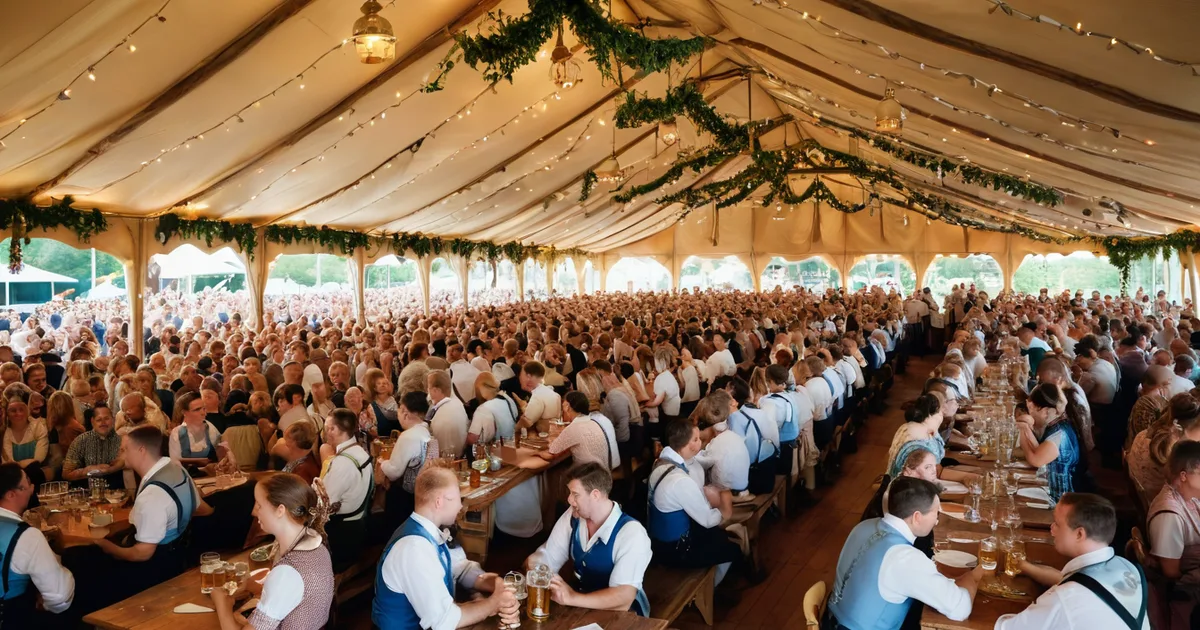
The Oktoberfest beer tents are the festival. There are 14 large tents on the Theresienwiese, each run by one of the 6 licensed Munich breweries, each with its own atmosphere, reservation system, and walk-in strategy. Choosing the right tent — and knowing how to get in — makes or breaks your day. Here’s the complete guide.
How the tents work
- There are 14 large tents, each run by a different host and pouring one of Munich’s six official beers. Each seats 5,000–10,000 people indoors and out.
- Entry is free, but you can only be served if you have a seat at a table. No seat, no Maß.
- On weekends the popular tents fill up and close their doors — sometimes by late morning. Arrive early or reserve in advance.
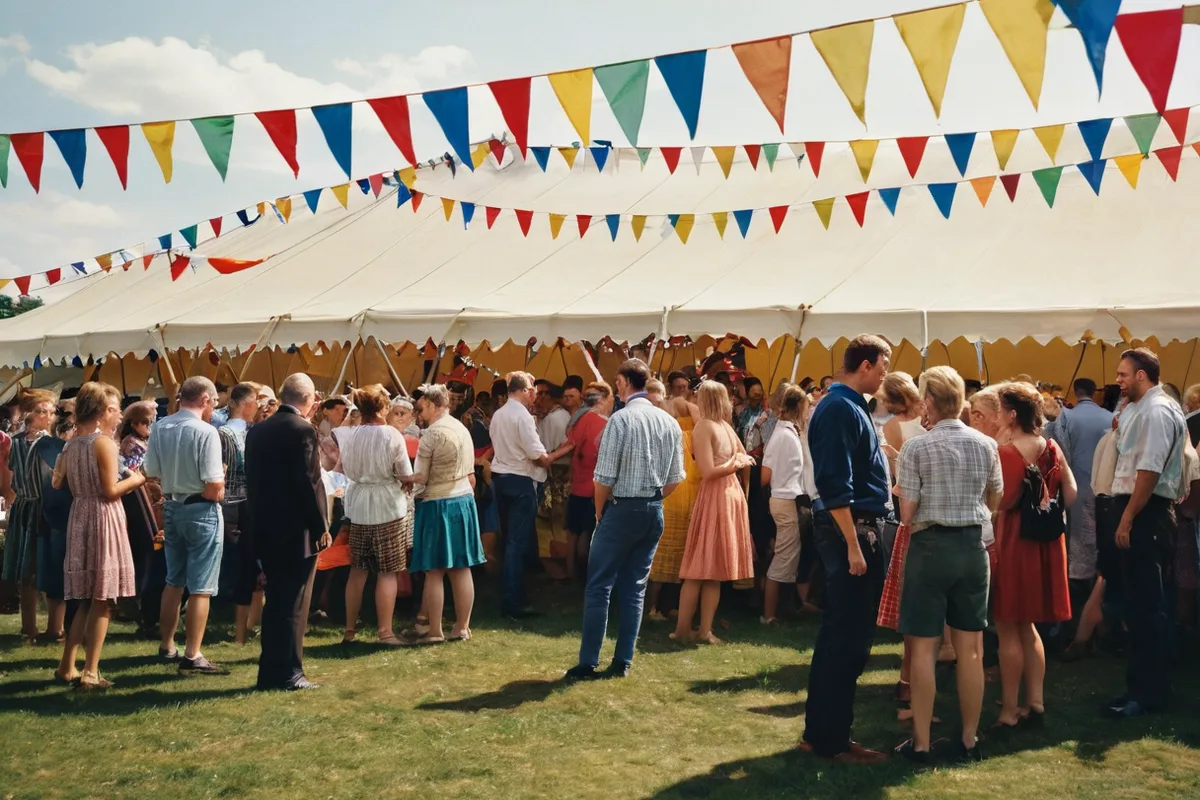
- Beyond the big 14, there are smaller tents and the historical Oide Wiesn worth exploring.
All 14 Oktoberfest beer tents compared
| Tent | Beer | Inside capacity | Vibe | Best for |
|---|---|---|---|---|
| Augustiner-Festhalle | Augustiner | 6,000 | Warm, local, traditional — wooden barrels, least touristy of the big tents | Authentic atmosphere; families; anyone who wants the real Munich feel |
| Schottenhamel-Festhalle | Spaten | 6,000 | Historic (opening keg tap here); younger crowd in evenings | Opening ceremony; students; high energy |
| Hofbräu-Festzelt | Hofbräu | 6,896 | International party tent — US, Australia, global tourists; standing area at the front | First-timers; groups; anyone who wants a big party with English speakers |
| Paulaner Festzelt | Paulaner | 8,450 | Biggest tent; strong band; reliable high-energy evening | Groups; reliably great party; easiest walk-in on weekday afternoons |
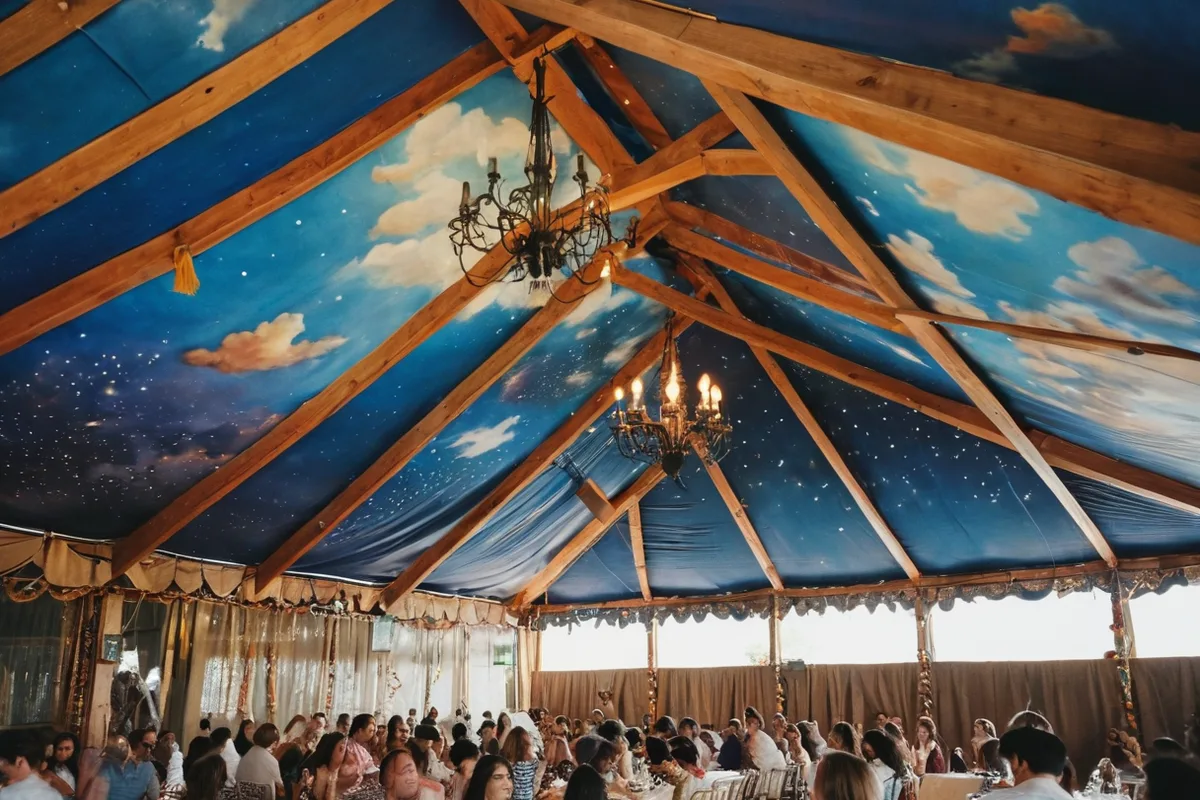
| Hacker-Festzelt | Hacker-Pschorr | 6,900 | “Heaven of the Bavarians” — painted sky ceiling; balance of tradition and party | First-timers who want somewhere between Hofbräu chaos and Augustiner calm |
| Löwenbräu-Festzelt | Löwenbräu | 5,700 | Roaring mechanical lion at entrance; football fans; solid all-rounder | Locals; football supporters; energetic crowd |
| Spaten-Franziskaner-Festhalle | Spaten | 5,400 | Traditional and quieter; large beer garden (5,000) | Those who want tradition without the big-tent noise level |
| Bräurosl (Pschorr-Bräurosl) | Hacker-Pschorr | 6,500 | Less touristy; famous yodeler; friendly crowd | Anyone wanting local feel with big-tent scale |
| Armbrustschützen-Festzelt | Paulaner | 5,900 | Crossbow competition tent; classic Bavarian; loyal regular crowd | Traditional atmosphere; escape from the tourist tents |
| Schützen-Festzelt | Löwenbräu | 4,800 | Tucked under the Bavaria statue; roast suckling pig; stylish | Food lovers; smaller and less chaotic |
| Ochsenbraterei | Spaten | 5,900 | Famous spit-roasted ox; tally board of oxen eaten; hearty food focus | Food first, beer second; ox roast experience |
| Fischer-Vroni | Augustiner | 2,800 | Cozy; famous for Steckerlfisch (grilled fish on a stick); relaxed | Fish lovers; quieter afternoon visit; Augustiner beer |
| Marstall | Spaten | 3,400 | Newer, elegant equestrian theme; polished; slightly upscale | Those wanting a more modern, less chaotic experience |
| Käfer Wies’n-Schänke | Paulaner | 1,400 | Celebrity tent; open until 1 a.m.; excellent food; hardest to book | Upscale evening; people-watching; late-night |
| Kufflers Weinzelt | Paulaner + wine | 1,400 | Wine-focused; stylish; older crowd; open until 1 a.m. | Non-beer drinkers; wine lovers; quieter evening |
Beer prices at Oktoberfest tents 2026
Beer prices vary slightly by tent. All prices are for a 1-litre Maß.
| Tent | Maß price 2026 | Note |
|---|---|---|
| Augustiner-Festhalle | €14.90 | Cheapest large tent; served from wooden barrels |
| Fischer-Vroni | €14.90 | Augustiner beer; smaller, quieter tent |
| Schottenhamel-Festhalle | €15.10 | Opening ceremony tent |
| Löwenbräu-Festzelt | €15.10 | Roaring lion at entrance |
| Spaten-Franziskaner-Festhalle | €15.10 | Quieter; large beer garden |
| Hofbräu-Festzelt | €15.20 | Most international tent |
| Hacker-Festzelt | €15.20 | Famous painted sky ceiling |
| Ochsenbraterei | €15.20 | Spit-roasted ox focus |
| Paulaner Festzelt | €15.30 | Biggest tent; largest beer garden |
| Käfer Wies’n-Schänke | €16.80 | Most expensive; open until 1 a.m. |
Prices confirmed for Oktoberfest 2026. Tips of €1–2 per Maß are standard and expected.
Oktoberfest tent opening hours 2026
- Monday–Friday: Tents open at 10:00 a.m.; beer service starts at 10:00 a.m.
- Saturday & Sunday: Tents open at 9:00 a.m.; beer service starts at 9:00 a.m.
- Last orders / last entry: Around 10:00–10:30 p.m. at most tents.
- Tents close: 11:30 p.m. (Käfer and Kufflers Weinzelt close at 1:00 a.m.)
- Opening day (Sept 19, 2026): Tents open from 9:00 a.m. but beer service starts across the grounds at noon, after the Schottenhamel keg tap.
Walk-in seats are easiest to find in the first two hours after opening and again after 8 p.m., when large reserved groups begin to leave. The beer gardens fill more slowly than indoor seating — a useful backup on busy afternoons.
How Oktoberfest tent reservations work
Each of the 14 tents runs its own booking system independently — there is no central Oktoberfest reservation platform. You book directly with each tent’s website.
When do bookings open?
Most tents open online reservations in October or November the year before the festival. Reservations for Oktoberfest 2026 opened in October–November 2025. Popular tents — Augustiner, Käfer, Schottenhamel opening weekend — sell out within days. If you missed the window, check the tent’s website for a waiting list, or look at hotel packages that bundle tent reservations with accommodation.
What a reservation includes
Reservations guarantee your table seats plus a food and drink minimum spend — typically €30–50 per person, which is applied as vouchers for your first drinks and food. There is no separate ticket fee; the minimum spend is the cost. You pay it regardless of whether you use all the vouchers.
Reservation difficulty by tent
| Tent | How hard to book | Walk-in odds |
|---|---|---|
| Augustiner-Festhalle | Very hard — sells out in days in October | Good on weekday mornings |
| Käfer Wies’n-Schänke | Near impossible publicly | Almost none |
| Schottenhamel (opening weekend) | Near impossible | None on opening Saturday |
| Hofbräu-Festzelt | Hard (high international demand) | Reasonable — high turnover, standing area |
| Paulaner Festzelt | Moderate | Good — biggest tent on grounds |
| Spaten-Franziskaner-Festhalle | Easier than most | Very good — quieter tent |
| Fischer-Vroni | Easier than most | Good — small, lower tourist demand |
The 6 tents most worth knowing in detail
Augustiner-Festhalle
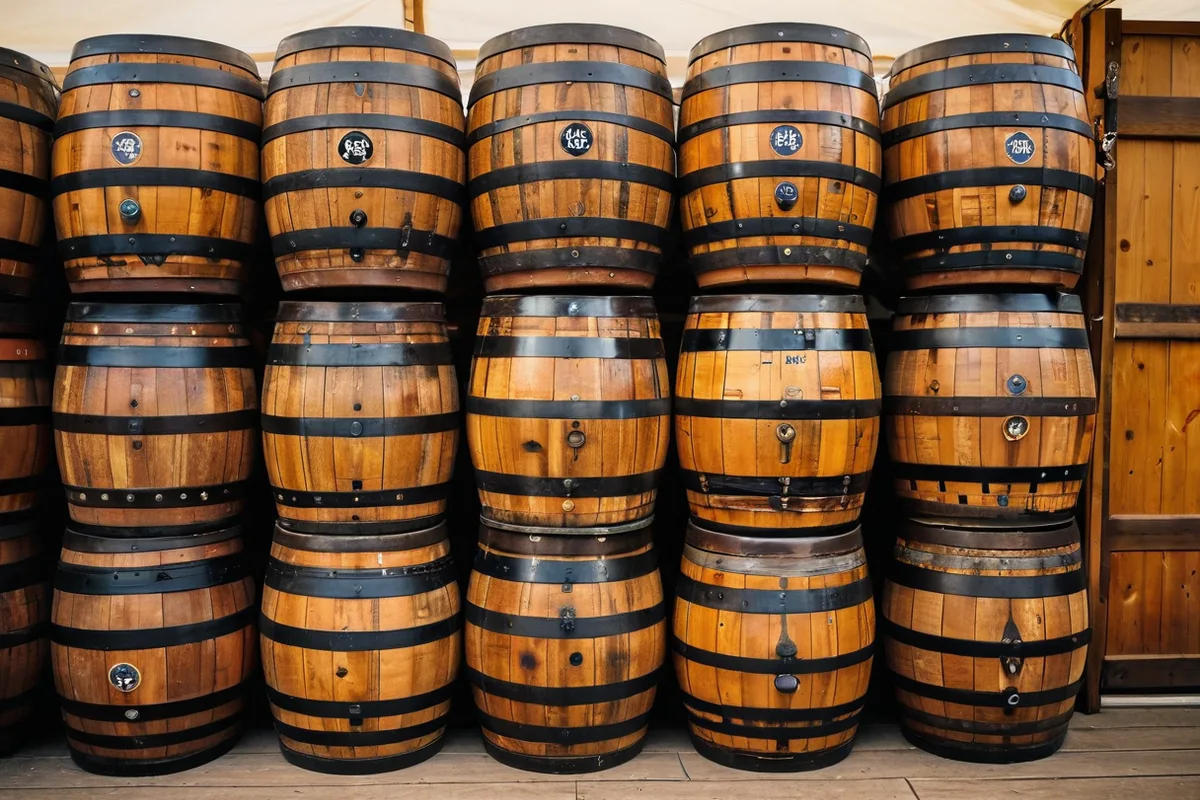
Munich’s oldest brewery (1328) and the only one still serving from wooden barrels — vom Holzfass — which keeps the beer cooler and, many regulars insist, smoother. The interior is warmer and more low-lit than the high-energy tents; the crowd skews Munich resident and family rather than international tourist. Beer is €14.90 — the cheapest among the large tents. Reservations sell out within days of opening in October. Walk-in strategy: arrive before 10:30 a.m. on a weekday; the beer garden fills slower than the indoor hall and is worth checking first.
Hofbräu-Festzelt
The tent most international visitors end up in, whether they planned it or not. English is the dominant language by evening; the standing area at the entrance lets you absorb the atmosphere without needing a reserved table. That standing area is also why Hofbräu stays accessible when other tents have closed their doors to walk-ins — you can be inside and part of it even without a seat. The band is reliable but the tent earns its reputation on energy rather than refinement. An excellent first tent; probably not where you want to spend your second visit to Oktoberfest.
Paulaner Festzelt
The largest tent on the Wiesn at 8,450 indoor seats, with a 2,450-seat beer garden attached. Because of the sheer size, it’s consistently the tent most likely to have walk-in seats even on busy evenings. The Paulaner band is among the best on the grounds, and the tent runs at reliably high energy that peaks around 8–9 p.m. First-timers often underestimate how much easier Paulaner is to walk into on a Saturday compared to Augustiner or Hacker. If you have no reservation on a weekend, this is the tent to try first.
Hacker-Festzelt
The “Himmel der Bayern” — Heaven of the Bavarians — takes its name from the famous painted sky ceiling: a blue expanse of clouds and Bavarian diamonds overhead. It’s the tent that most visually distinguishes itself from the rest, and the one most photographers are aiming at. The atmosphere strikes a balance between genuine energy and manageable chaos — louder and more celebratory than Augustiner, but less chaotic than Hofbräu. A strong first-timer choice for anyone who wants real Oktoberfest atmosphere without total tourist saturation. Hacker-Pschorr beer is excellent.
Schottenhamel-Festhalle
The most historically significant tent: the opening keg is tapped here by the Mayor of Munich at noon on the first Saturday, signalling the start of Oktoberfest for the entire grounds. Outside of opening weekend, Schottenhamel draws a younger crowd — students and early-twenties visitors dominate the evening atmosphere. It has a reputation as the loudest and most energetic of the large tents by 9 p.m. Reservations for opening Saturday go largely to city officials and major sponsors; they are virtually impossible to obtain publicly.
Löwenbräu-Festzelt
Famous for the 4.5-metre mechanical lion that roars “Löwenbräu!” at intervals above the entrance. Inside, the tent draws a strong following from football supporters — FC Bayern fans especially — and has a noticeably more local feel than Hofbräu or Paulaner. The Löwenbräu beer is clean and well-kept. Walk-in chances are better than average because the tent doesn’t attract the same tourist volume that Hofbräu’s global brand recognition brings. A solid, underrated choice for a first or second visit.
Which tent should you go to?
Best Oktoberfest tent for first-timers
Start at the Hacker-Festzelt or Hofbräu-Festzelt. Hofbräu is the most international — you’ll hear English everywhere, the standing area lets you soak up the atmosphere without a table, and the energy is immediately what you imagined Oktoberfest to be. Hacker is slightly calmer with the same fun, plus the famous painted ceiling. Both are easy to walk into on weekday afternoons.
Best tent for a traditional experience
The Augustiner-Festhalle. It’s the only tent still serving from wooden barrels, the beer is €14.90 (cheapest on the grounds), and the crowd skews local rather than tourist. The atmosphere is warm and gemütlich rather than loud party. Book in advance — it’s the most popular tent with Munich residents.
Best tents to walk into without a reservation
On a weekday before 2 p.m., almost any tent has walk-in seats. The easiest are Hofbräu (largest international crowd, high turnover), Paulaner (biggest tent, most seats), and Spaten-Franziskaner (quieter, large beer garden). On weekends, aim for a weekday morning arrival — tents open at 9–10 a.m. and walk-in seats go fast after noon.
Best tent for the opening ceremony
Schottenhamel-Festhalle — the mayor taps the first keg here at noon on opening Saturday. You need a reservation booked many months in advance; there are no walk-in seats on opening day at Schottenhamel.
Best tent for food
Ochsenbraterei for the spit-roasted ox (there’s a tally board of how many have been eaten). Fischer-Vroni for Steckerlfisch — grilled fish on a stick, a genuine Oktoberfest tradition. Schützen-Festzelt for roast suckling pig. All three are worth visiting even if you only stay for one round.
Best tent for a late night
Käfer Wies’n-Schänke and Kufflers Weinzelt both stay open until 1 a.m. — all other tents close by 11:30 p.m. Käfer is the celebrity tent with excellent food; the Weinzelt is wine-focused and slightly lower-key.
The Oide Wiesn: the quieter, older Oktoberfest
Set apart at the southern end of the grounds, the Oide Wiesn (“Old Oktoberfest”) is a separate section with vintage carousel rides, traditional folk music rather than pop hits, and three smaller tents: Museumszelt, Volkssängerzelt Zum Schönheitskönigin, and Festzelt Tradition. Beer here is cheaper (from €14.80), the crowd is older and more local, and the noise level is human rather than arena. A small entrance fee (a few euros) keeps the casual foot traffic out. Worth visiting even briefly for the contrast.
Tips for getting a seat
- Reserve in advance for evenings and weekends — directly with each tent’s own website. See our full reservations guide for the booking process, costs, and which tents are hardest to get into.
- No reservation? Go on a weekday, arrive before noon, and be flexible about which tent you end up in.
- Tables are shared — a cheerful “Ist hier noch frei?” (“Is this seat free?”) is all you need to join strangers.
- Cash only in most tents. Bring small notes for tips (€1–2 per Maß).
- Check the 2026 dates guide for which days are quietest — weekday afternoons in the second week are the walk-in sweet spot.
What’s next after Oktoberfest? Bavaria’s Christmas markets start in late November. See our guides to Nuremberg, Rothenburg and Regensburg.
New to the Wiesn? Pair this with our First-Timer’s Guide, our What to Wear Guide, our Beer Guide, and the 2026 Dates & Schedule to plan which days to go.
Oktoberfest beer tents: frequently asked questions
How many beer tents are there at Oktoberfest?
There are 14 large beer tents at Oktoberfest 2026, plus 21 smaller tents and 3 tents in the Oide Wiesn section. Each large tent is run by a different host and pours beer from one of Munich’s six official breweries, seating 5,000–10,000 people indoors and out.
Which Oktoberfest tent is best for first-timers?
The Hofbräu-Festzelt is the easiest first tent for most visitors — it’s the international party tent, packed with English-speaking visitors from the US, Australia and beyond. If you’d rather ease in somewhere calmer and more local, the Augustiner-Festhalle is the traditional, family-friendly alternative.
What is the best Oktoberfest tent to walk into without a reservation?
On weekday afternoons, the easiest walk-in tents are Hofbräu, Paulaner, and Spaten-Franziskaner. About 25% of seating in every large tent is always kept reservation-free. Arrive before noon on weekdays for the best chance of a seat — on weekends, walk-in seats are gone by late morning at most popular tents.
Which tent is most popular with locals at Oktoberfest?
The Augustiner-Festhalle is consistently the local favourite. Augustiner is the only brewery still serving from wooden barrels, the beer is €14.90 (cheapest large tent), and the crowd skews Munich resident rather than tourist. The Bräurosl and Spaten-Franziskaner are also known for drawing a more local crowd.
Can you get into a beer tent without a reservation?
Yes. Entry is free and about 25% of seating is always reservation-free. Arriving on a weekday morning or early afternoon gives you a good shot at a walk-in seat at most tents. On weekends and evenings, a reservation is strongly recommended for the popular tents.
What is the difference between the big tents and the Oide Wiesn?
The 14 big tents are the main party tents; the Oide Wiesn is a separate, more traditional section with vintage funfair rides and folk music instead of pop hits. Beer is cheaper there from €14.80, the crowd is older and more local, and a small entrance fee applies. Worth visiting for the contrast.
Which tents stay open the latest at Oktoberfest?
Käfer Wies’n-Schänke and Kufflers Weinzelt both stay open until 1 a.m. — all other large tents close by 11:30 p.m. Käfer is the celebrity tent with excellent food; the Weinzelt is wine-focused and quieter.
Updated September 2026.
Ready to book? Once you know which tent you want, the Table Reservations Guide covers how to book directly with each tent, when booking opens, and how to get a seat without a reservation.
Taking a stein home? Authentic Oktoberfest beer steins on Amazon — official licensed Munich brewery steins ship worldwide.
Leave a Reply