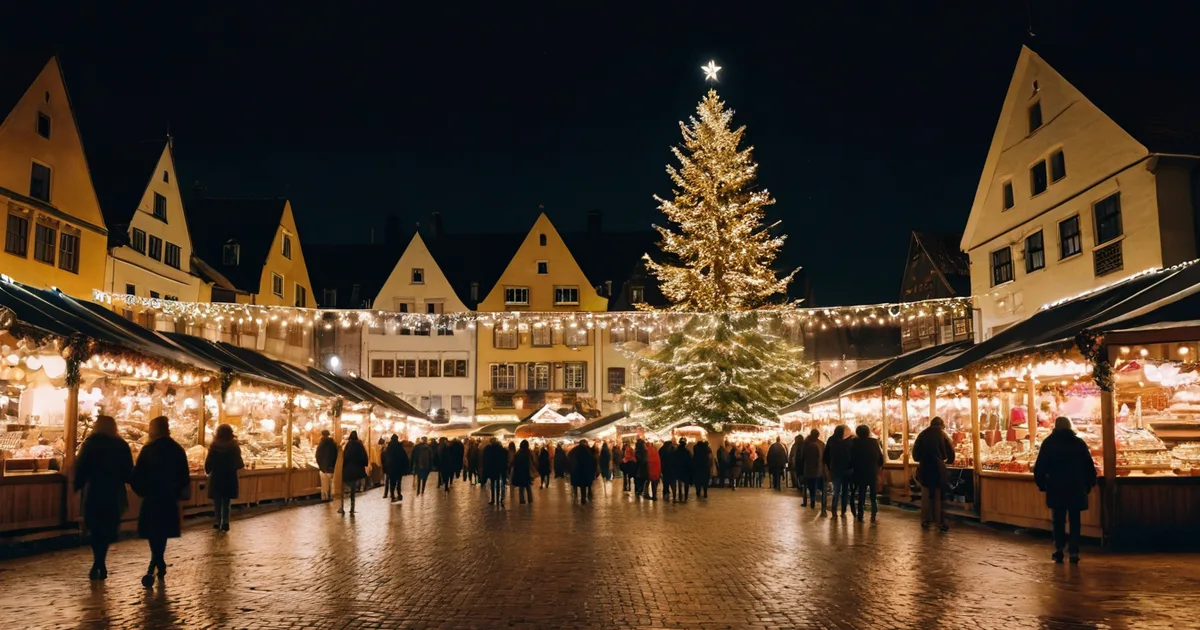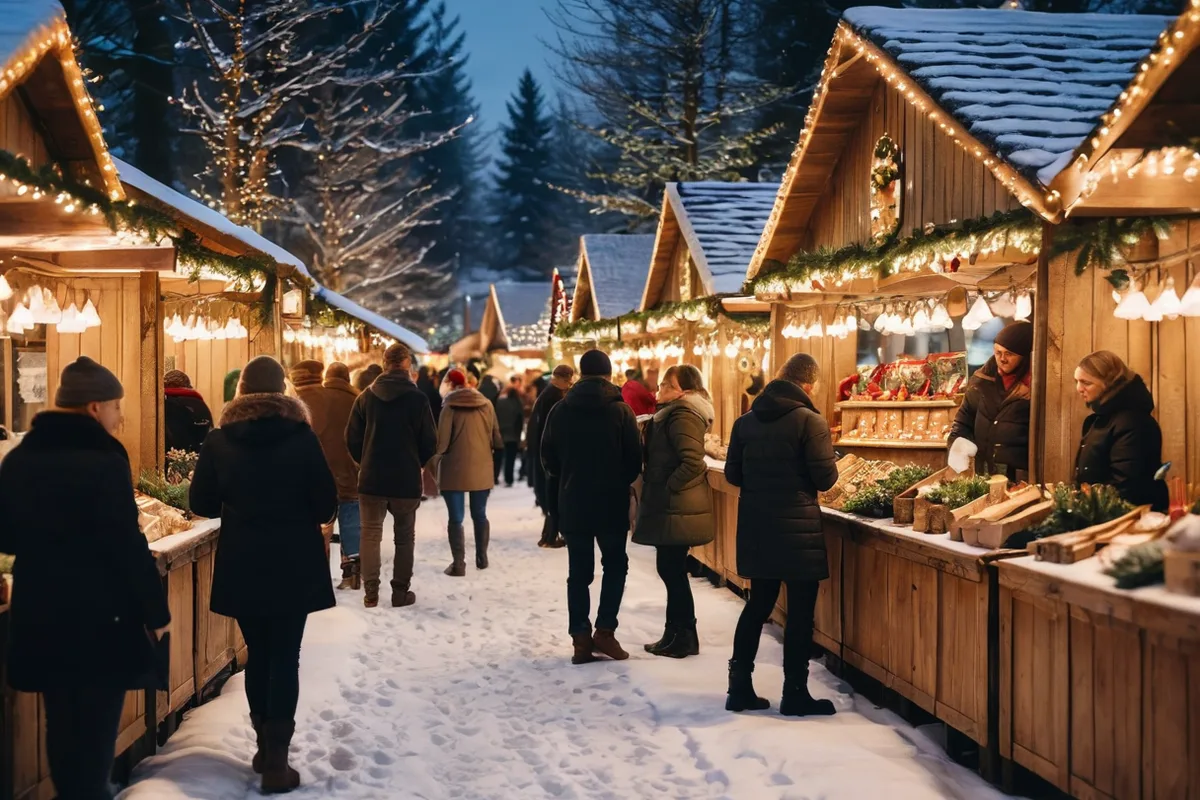
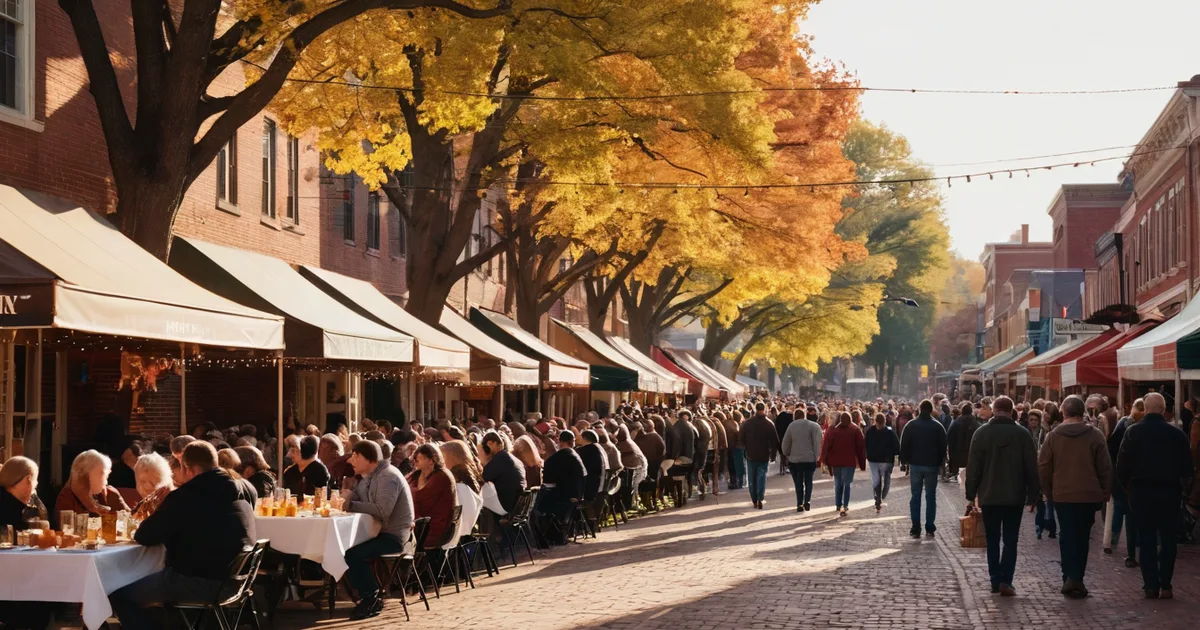
Most Oktoberfest guides assume you are flying to Munich. Most people are not. The United States hosts dozens of Oktoberfest celebrations every autumn, and several of them are enormous — the biggest draws more than 800,000 people, which is a serious festival by any measure.
This is the dates-and-tickets page for those festivals. Everything below was checked against each festival’s own website in August 2026, because third-party event listings for these get out of date fast and frequently contradict each other.
US Oktoberfest 2026 dates at a glance
| Festival | Where | 2026 dates | Admission |
|---|---|---|---|
| Oktoberfest Zinzinnati | Cincinnati, OH | Sept 17–20 | Free |
| Addison Oktoberfest | Addison, TX | Sept 17–20 | Ticketed |
| Mt. Angel Oktoberfest | Mount Angel, OR | Sept 17–20 | Mostly free |
| Frankenmuth Oktoberfest | Frankenmuth, MI | Sept 17–20 | $10/day · Sun free |
| Denver Oktoberfest | Denver, CO | Sept 18–27 | Free entry |
| Oktoberfest U.S.A. | La Crosse, WI | Sept 24–27 | Sunday free |
| Fredericksburg Oktoberfest | Fredericksburg, TX | Oct 2–4 | From $15 |
| Oktoberfest Leavenworth | Leavenworth, WA | Oct 2–3 · 9–10 · 16–17 | $20 Fri / $40 Sat |
| Zeeco Oktoberfest Tulsa | Tulsa, OK | Oct 22–25 | Free Fri afternoon |
| Wurstfest | New Braunfels, TX | Nov 6–15 | Ticketed |
| Helen Oktoberfest | Helen, GA | Sept (Thu–Sun) · daily Oct 1–Nov 1 | Ticketed |
| Big Bear Oktoberfest | Big Bear Lake, CA | Weekends, Sept–early Nov | 2026 pricing TBA |
Six of the biggest all happen on the same weekend
September 17–20 is the busiest weekend of the American Oktoberfest calendar. Zinzinnati, Addison, Mt. Angel and Frankenmuth all run those exact four days, and Denver opens on the 18th. You cannot realistically do two of them.
That makes the real question which one is near me rather than which is objectively best. Here they are by region.
Midwest
Oktoberfest Zinzinnati in Cincinnati is the largest Oktoberfest in the United States and turns 50 in 2026, having started in 1976. It drew a record 808,300 people last year, takes over Sawyer Point and Yeatman’s Cove on the Ohio River, and — importantly — costs nothing to enter.
Frankenmuth, Michigan’s Little Bavaria, runs at Heritage Park for $10 a day, with under-15s free and the whole of Sunday free. Oktoberfest U.S.A. in La Crosse, Wisconsin takes the following weekend and makes its Sunday free from 11am.
South
Addison Oktoberfest outside Dallas fills Addison Circle Park. Fredericksburg in the Texas Hill Country holds its festival at the Marktplatz in early October. Zeeco Oktoberfest Tulsa runs late, October 22–25, with a family free day on the Friday afternoon.
Wurstfest in New Braunfels is the outlier and the last one standing — ten days in November, well after everyone else has packed up.
West
Mt. Angel in Oregon is the region’s heavyweight, and most of it is free; only the Biergarten, Weingarten and Alpinegarten charge admission. Denver Oktoberfest spans two weekends on Larimer Street.
Leavenworth, Washington deserves its own warning: it runs Fridays and Saturdays only, across three weekends — there is no Sunday. Turning up on a Sunday expecting a festival is the single most common mistake people make with it. Tickets are $20 Friday, $40 Saturday, or $50 for the weekend, with under-12s free.
Southeast
Helen, Georgia is the longest-running Oktoberfest in the country and by far the longest season — Thursdays to Sundays through September, then daily from October 1 to November 1, in the town’s riverside Festhalle. If your calendar is inflexible, Helen is the one most likely to have a date that fits.
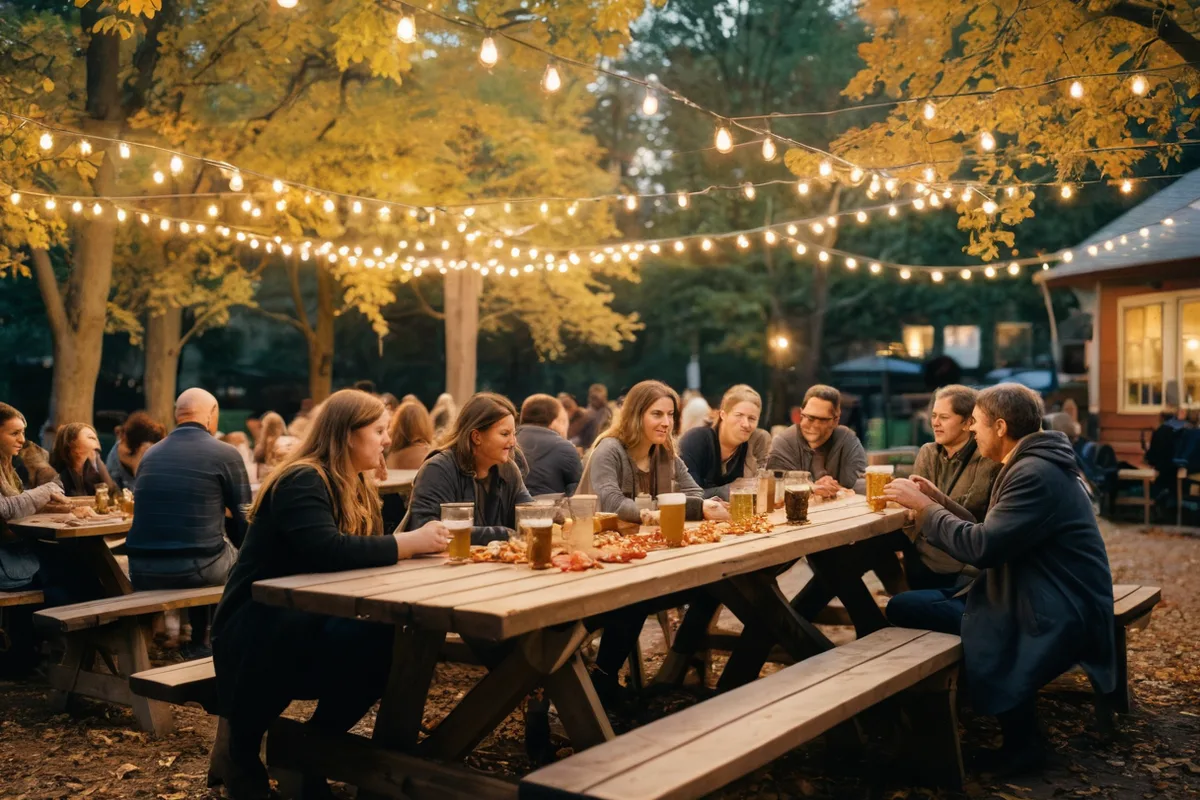
The American Oktoberfest season is much longer than Munich’s
Munich’s Oktoberfest is 16 days — September 19 to October 4 in 2026. The American season runs from early September into the middle of November. Helen and Big Bear open before Munich does, and Wurstfest is still going five weeks after the Munich tents come down.
If you miss the September rush, October and November still have Fredericksburg, Leavenworth, Tulsa, Helen, Big Bear and Wurstfest.
What to wear to an American Oktoberfest
The same rule applies as in Munich, and it matters more here: a real dirndl or lederhosen looks completely different from a costume-shop version, and everyone can tell. You do not have to dress up at all — plenty of people do not — but if you are going to, buy something real rather than a novelty set.
Our dirndl and lederhosen guide covers fit, fabric, what to spend, and the apron-bow rule that most Americans get wrong. If you are shopping now, browse dirndls and lederhosen — and order early, because sizes thin out badly in the first half of September.
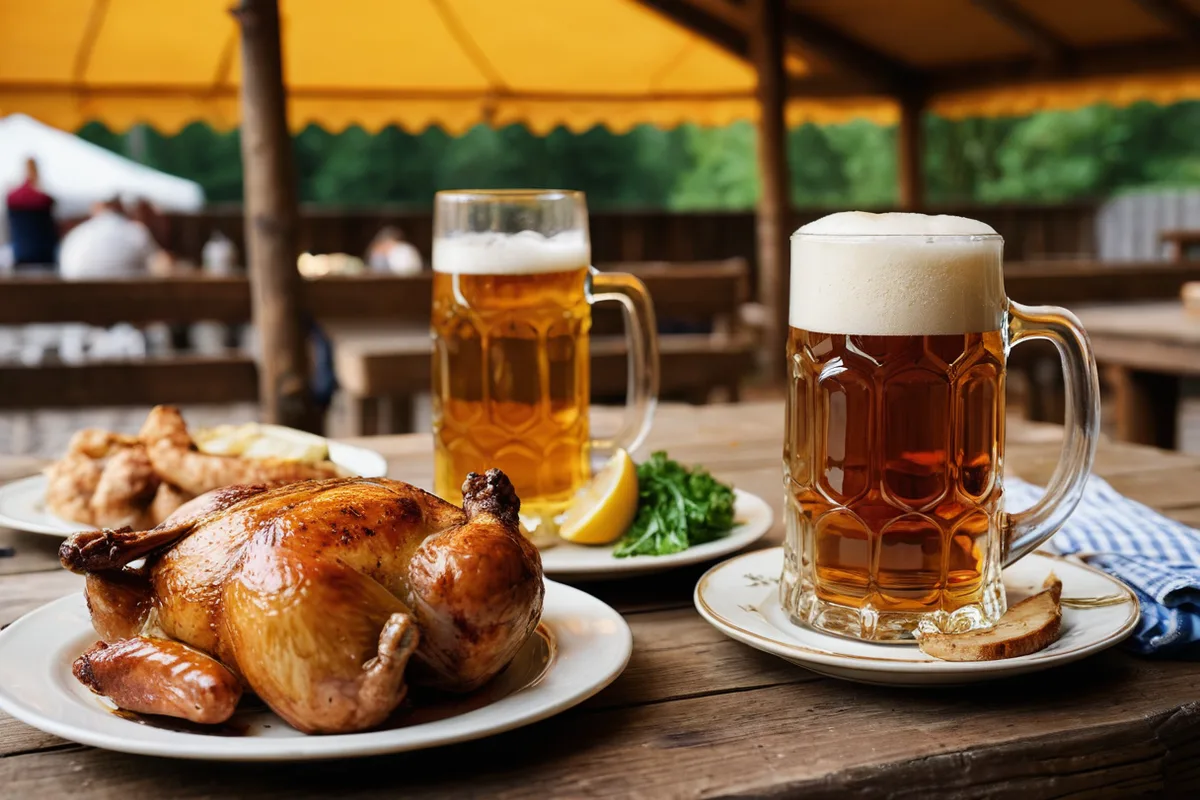
One more thing worth buying ahead: most American festivals sell beer in disposable cups rather than glass. If you want the real thing, bring your own Oktoberfest stein.
Oktoberfest in the USA: frequently asked questions
When is Oktoberfest 2026 in the United States?
Most major US Oktoberfest celebrations run between mid-September and early November 2026. The busiest weekend is September 17–20, when Zinzinnati, Addison, Mt. Angel and Frankenmuth all take place simultaneously. Later festivals include Fredericksburg and Leavenworth in October, Tulsa on October 22–25, and Wurstfest in New Braunfels on November 6–15.
What is the biggest Oktoberfest in the United States?
Oktoberfest Zinzinnati in Cincinnati is the largest, drawing a record 808,300 people last year. It takes place on the Ohio River waterfront at Sawyer Point and Yeatman’s Cove, and 2026 marks its 50th anniversary since it began in 1976. Entry is free.
Do you need tickets for an American Oktoberfest?
It depends entirely on the festival, and several of the biggest are free. Zinzinnati costs nothing to enter, Mt. Angel is mostly free apart from three premium garden venues, and Frankenmuth is $10 a day with the whole of Sunday free. Leavenworth is at the other end, at $20 on a Friday and $40 on a Saturday.
Which US Oktoberfest runs the longest?
Helen, Georgia has by far the longest season, running Thursdays through Sundays across September and then daily from October 1 to November 1. Most American Oktoberfests last a single four-day weekend, so Helen is the easiest one to fit around a fixed schedule.
Can you go to an Oktoberfest in November?
Yes. Wurstfest in New Braunfels, Texas runs November 6–15, 2026, roughly five weeks after Munich’s festival ends. Zeeco Oktoberfest Tulsa on October 22–25 and Big Bear Lake in California also run well past the traditional season.
Do you have to wear lederhosen or a dirndl?
No, it is never required at any American Oktoberfest. Many people wear ordinary clothes and nobody minds. If you do want to dress up, a genuine dirndl or pair of lederhosen looks noticeably better than a costume-shop set, which tends to be obvious across a beer hall. You can compare real dirndls and lederhosen online before you go.
Dates confirmed against each festival’s official website, August 2026.