
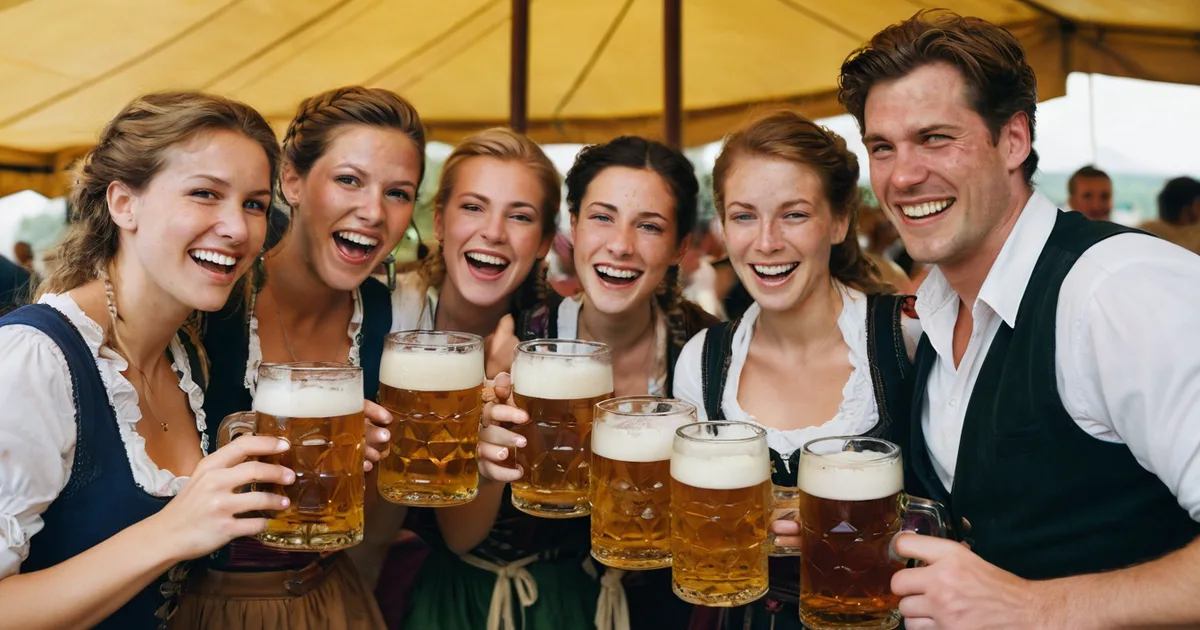
So you’re finally going to Oktoberfest. Brilliant choice — it’s the biggest, most joyful folk festival on the planet, and there’s nothing quite like your first time stepping into a roaring beer tent. But the Munich Wiesn has its own rhythms and rules, and a little preparation turns a chaotic day into a great one. Here’s everything a first-timer needs to know.
What Oktoberfest actually is
Oktoberfest is a 16-day folk festival (a Volksfest) held on Munich’s Theresienwiese fairgrounds, locally nicknamed the Wiesn. It’s part giant funfair — roller coasters, Ferris wheel, games, sweets — and part beer celebration, anchored by 14 enormous beer tents. Roughly six million people attend each year. It runs from mid-September into early October; for exact dates, see our Oktoberfest 2026 dates and schedule guide.
It’s also free to enter. You don’t buy a ticket to get onto the grounds or into a tent — you pay for what you eat, drink, and ride.
Getting there
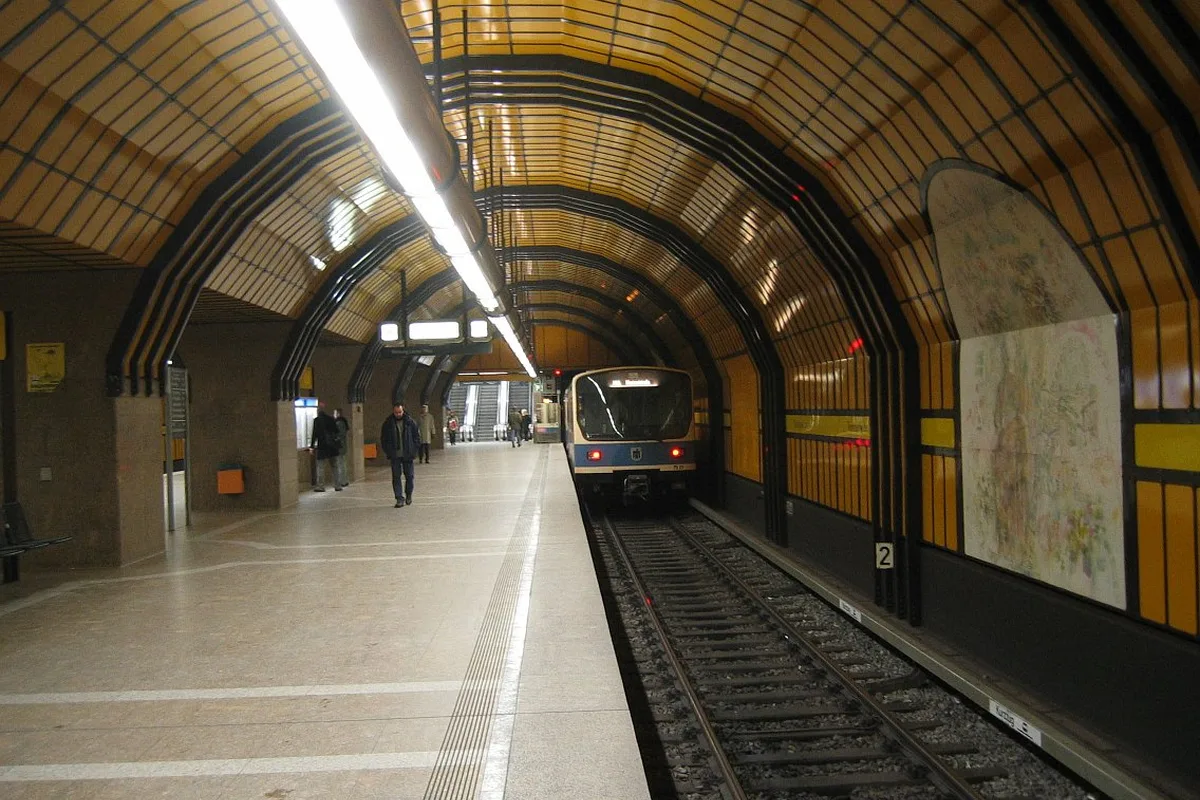
Skip the car — there’s no visitor parking and Munich’s transit is excellent. Take the U-Bahn to Theresienwiese (U4/U5), Goetheplatz (U3/U6), or Schwanthalerhöhe (U4/U5), or walk about 15 minutes from the Hauptbahnhof (Central Station). Trains get extremely crowded at peak times, so allow extra time.
How the beer tents work
This trips up almost every first-timer, so read carefully:
- You can only be served beer if you have a seat at a table. No seat, no Maß.
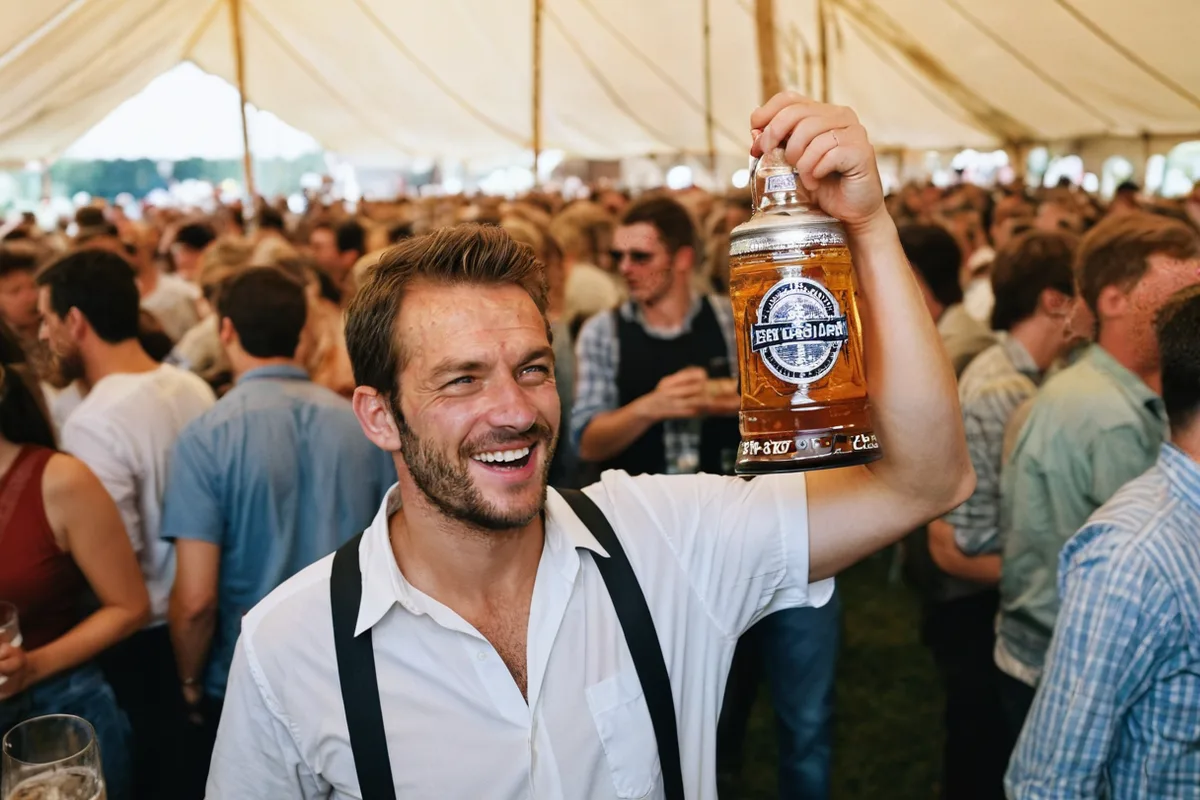
- Beer is sold only by the liter — a one-liter glass stein called a Maß. It’s heavier and stronger than it looks (around 6% ABV), so pace yourself.
- Only the six official Munich breweries are served: Augustiner, Hacker-Pschorr, Hofbräu, Löwenbräu, Paulaner, and Spaten.
- On weekends and evenings, popular tents fill up and close their doors. Either reserve a table in advance or arrive early — weekday afternoons are easiest for walk-ins.
- Tables are communal. Sharing with strangers is normal and half the fun.
Not sure which tent to pick? Our beer tent guide breaks down all 14.
What it costs
Budget realistically. A Maß of beer runs €14.80–€15.90, averaging €15.61 (2026 confirmed prices). A big meal — half a roast chicken (Hendl), pork knuckle, or sausages — is roughly €15–€20. Add tips (rounding up €1–2 per drink is customary), rides, and souvenirs, and a full day in the tents can easily reach €80–€120 per person. Bring cash — many tents don’t take cards for beer and food, and there are ATMs on-site but with long lines.
What to wear
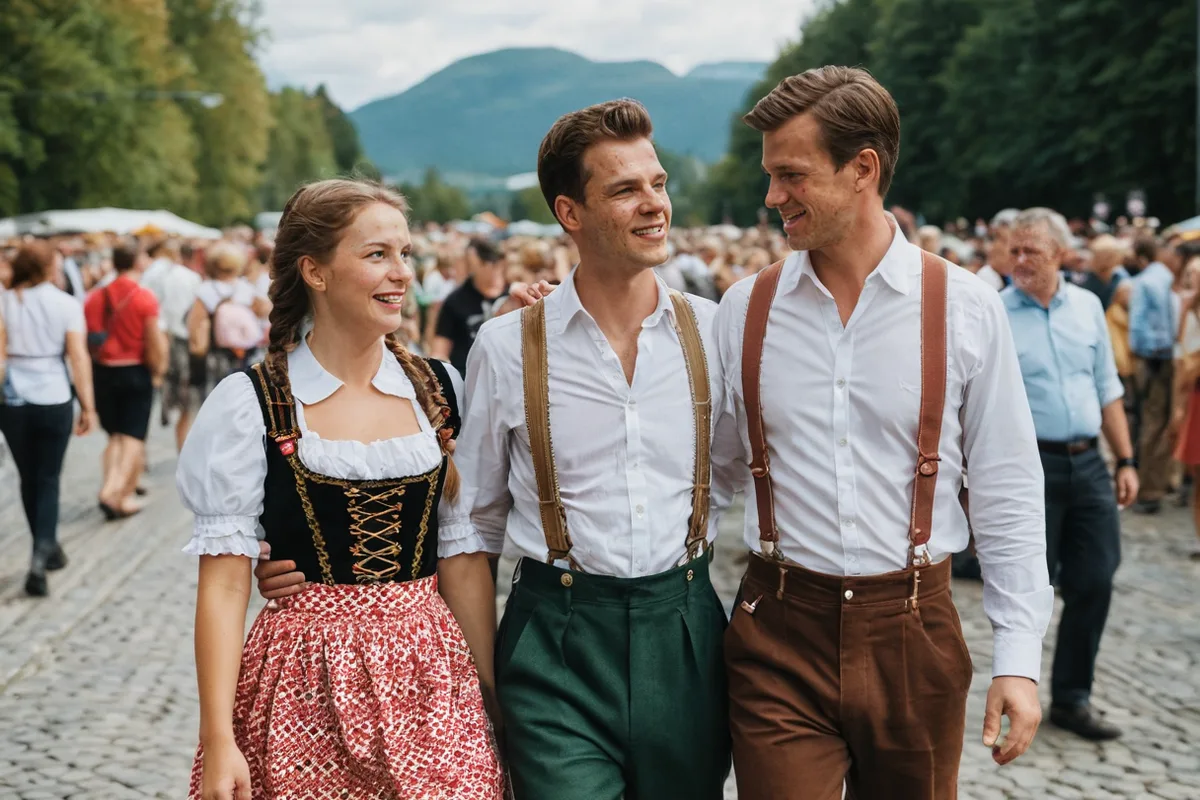
You don’t have to dress up, but most people do, and you’ll feel more part of it in traditional dress (Tracht): Lederhosen for men, a Dirndl for women. A couple of insider notes:
- The bow on a dirndl apron signals relationship status: tied on the left = single, on the right = taken, center = virgin/undecided, back = widowed or waitstaff.
- Buy a decent set if you can — cheap costume versions are easy to spot. We cover this in detail in our dirndl and lederhosen guide.
- Wear comfortable, closed shoes. You’ll stand on benches, and the grounds get messy.
Etiquette and the mistakes to avoid
A few things that mark you out as a respectful guest rather than a rowdy tourist:
- Don’t stand on the tables — standing on the benches to sing and toast is encouraged; standing on the tables gets you thrown out.
- Wait for the toast. When the band plays “Ein Prosit,” everyone raises their Maß together. Make eye contact when you clink, say “Prost!”, and take a sip.
- Tip your server. They’re hauling 10+ steins at a time. Round up generously.
- Don’t chug to keep up. A liter at a time adds up fast; alternate with water and food.
- Don’t skip breakfast. Locals start the day with Weißwurst (white sausage) and a pretzel for good reason.
- Mind your stein. Stealing glasses is a real offense — security checks bags at the exits.
A simple first-timer game plan
- Go on a weekday if you can, for smaller crowds and easier seating.
- Arrive late morning, eat a proper meal early, and grab a seat before the rush.
- Pick one or two tents rather than tent-hopping all day.
- Pace yourself, drink water, and enjoy the rides and grounds between tents.
- Have a plan to get back — note your U-Bahn line before the beer kicks in.
Ready to go deeper? See our Oktoberfest 2026 dates and schedule, the full beer tent guide, and our dirndl and lederhosen guide to look the part.
Oktoberfest for first-timers: frequently asked questions
What is Oktoberfest?
Oktoberfest is a 16-day folk festival, or Volksfest, held on Munich’s Theresienwiese fairgrounds — locally called the Wiesn. It combines a giant funfair with 14 enormous beer tents pouring beer from Munich’s six official breweries, and around six million people attend each year. Oktoberfest 2026 runs 19 September to 4 October.
Is Oktoberfest free to enter?
Yes. Entry to the festival grounds and to every one of the 14 large beer tents is free — you only pay for what you eat, drink and ride. What people usually mean by “tickets” is a table reservation, which is a separate, optional thing booked directly with an individual tent.
How many days should you spend at Oktoberfest?
One full day is enough to get a real taste of Oktoberfest, but two days lets you try a couple of different tents without rushing. If you’re also seeing Munich itself or day-tripping to Neuschwanstein, plan for three to four days total so the festival doesn’t eat your whole trip.
What should a first-timer know before going to Oktoberfest?
The single biggest thing: you can only be served beer if you have a seat at a table, so arrive early or reserve ahead on busy days. Beer is sold only by the litre (a Maß, roughly 6% ABV), most tents are cash-only, and tables are communal, so sharing with strangers is completely normal.
Is Oktoberfest family-friendly, and can you bring children?
Yes, families are welcome, especially during the day — the Augustiner-Festhalle and the Oide Wiesn’s historical section are the calmest choices, and Tuesdays are official family days with discounted funfair rides. Evenings, particularly at the louder party tents, skew toward an adult crowd and aren’t the best fit for young children.
Do you need to speak German at Oktoberfest?
No. Munich is highly international during Oktoberfest and most servers, especially at tents like the Hofbräu-Festzelt, are used to visitors ordering in English. Learning a couple of words — “Prost!” for cheers and “Ist hier noch frei?” to ask for a seat — goes a long way with locals, but it isn’t a requirement.
Updated August 2026.
Leave a Reply