
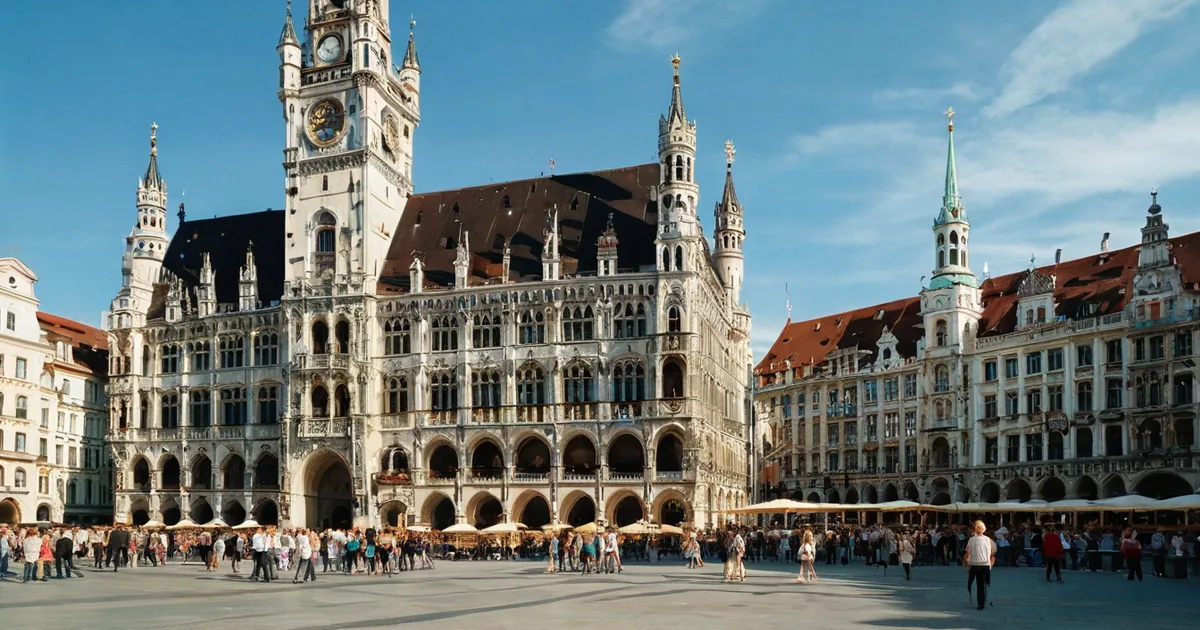
Munich is Bavaria’s beating heart — grand squares, world-class museums, riverside beer gardens, and a famous surf wave in a park. Whether you’re here for Oktoberfest or any other time of year, here’s how to make the most of it.
Start in the Old Town
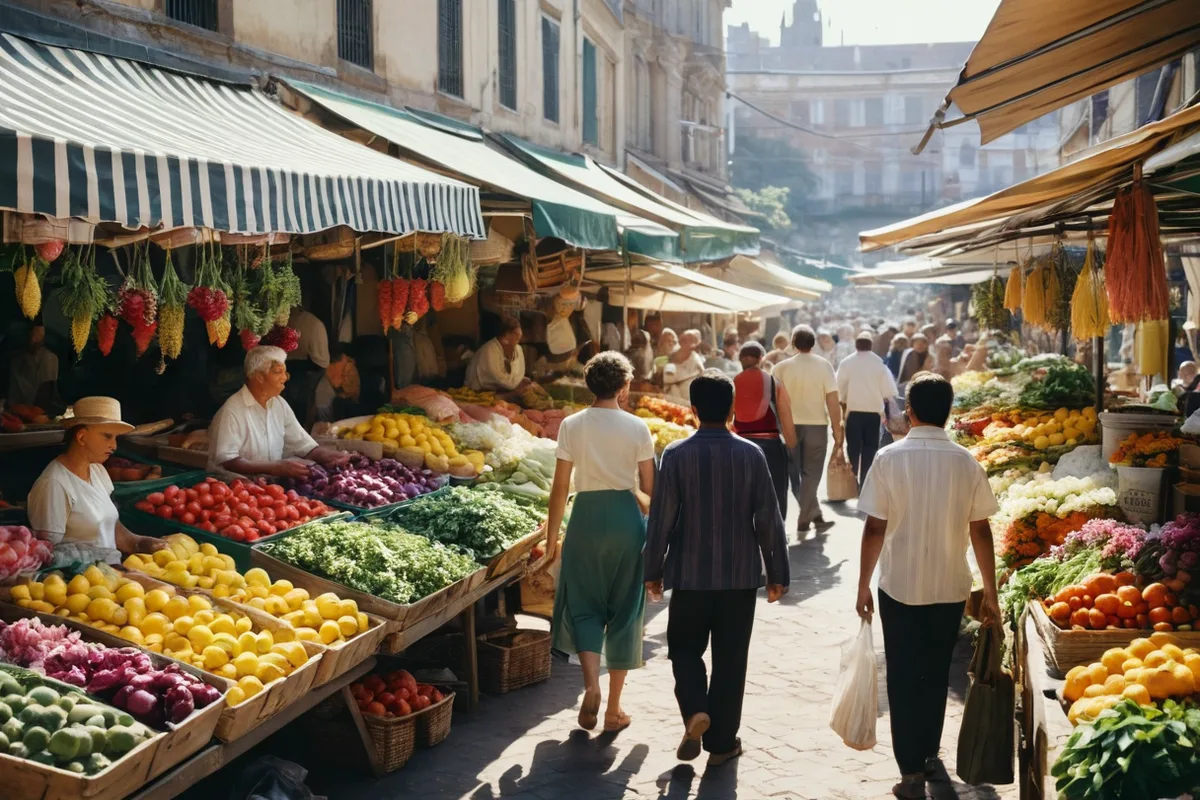
Marienplatz is the central square. Time it for 11 a.m. (or noon) to watch the Glockenspiel in the New Town Hall — 32 figures that dance to chiming bells. Nearby is the twin-domed Frauenkirche. Just south, the Viktualienmarkt is a beloved open-air food market with a leafy beer garden.
Eat and drink like a local
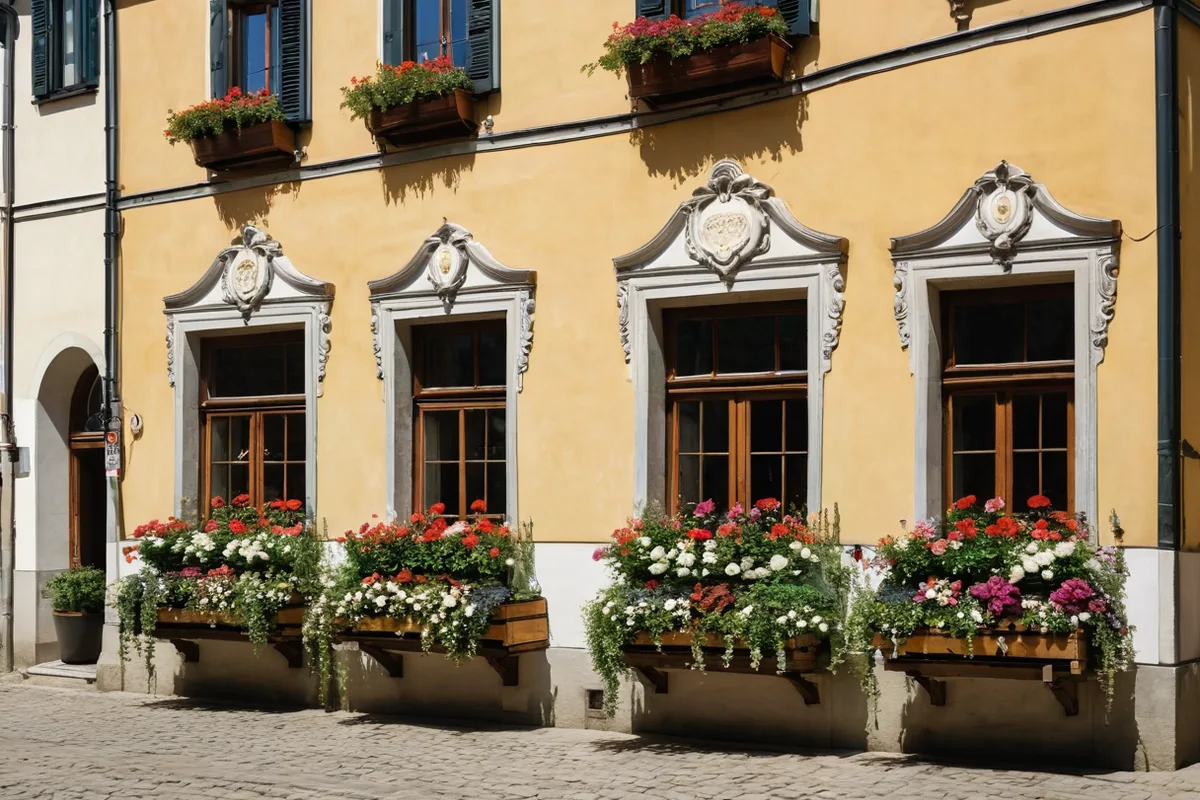
- Hofbräuhaus — the world’s most famous beer hall; a must-see at least once.
- Beer gardens — the Augustiner-Keller and the Chinese Tower garden in the English Garden are classics.
- Bavarian classics — Weißwurst, Schweinshaxe, Obatzda. See our Food Guide.
The English Garden
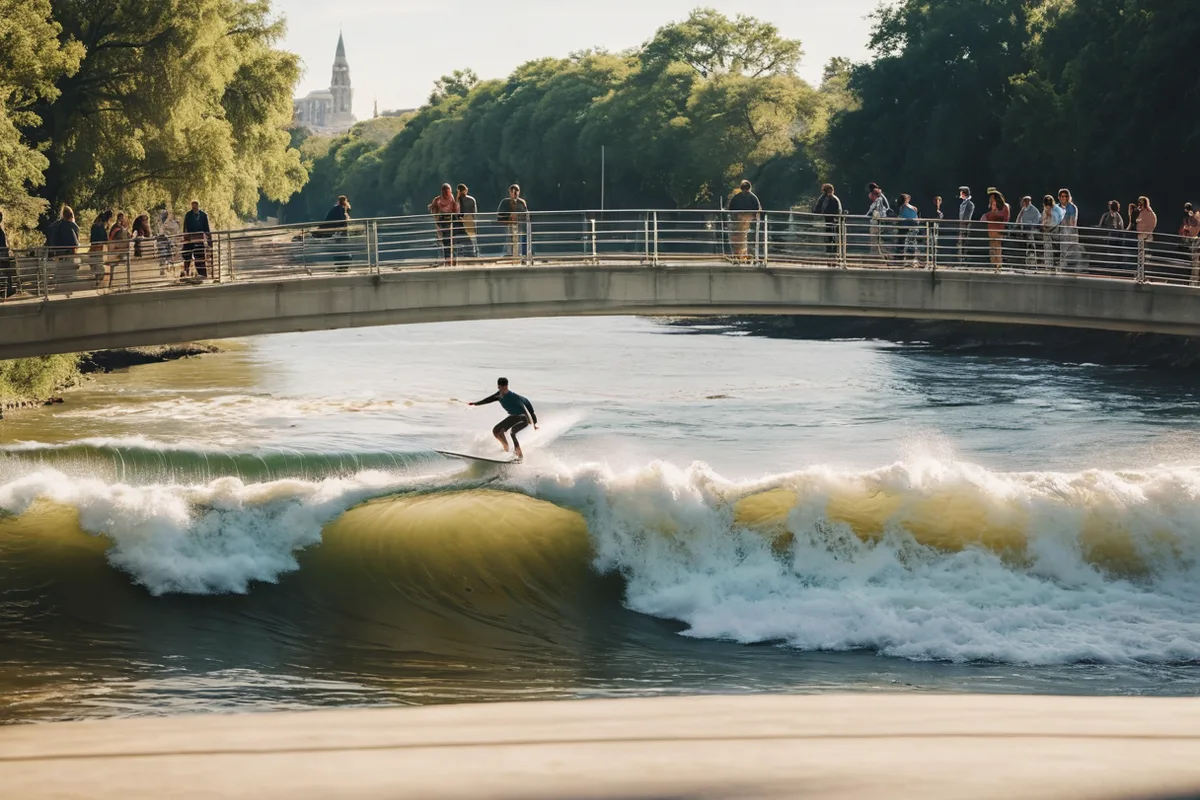
One of the world’s largest urban parks — bigger than Central Park. Don’t miss the Eisbach wave, where surfers ride a standing river wave year-round in the city.
Museums and palaces
- The Residenz — the opulent former royal palace.
- Nymphenburg Palace — baroque summer palace with grand gardens.
- Deutsches Museum — a vast science and technology museum.
- BMW Welt & Museum — cars and design by the Olympic Park.
Seasonal highlights
- Late Sept–early Oct: Oktoberfest.
- Nov–Dec: magical Christmas markets.
- Summer: beer gardens and long golden evenings.
Easy day trips
Within a couple of hours: Neuschwanstein Castle, the Alps, Salzburg, Nuremberg, and Dachau. See our day trips guide.
Getting around
The U-Bahn, S-Bahn, trams, and buses cover everything — skip the car. Buy a day pass and validate before boarding.
Pair this with Where to Stay in Munich and the First-Timer’s Guide to Oktoberfest.
Things to do in Munich: frequently asked questions
What is Munich known for?
Munich is known for Oktoberfest, its grand Marienplatz square with the chiming Glockenspiel, the vast English Garden with its year-round river-surfing wave, and a strong beer-hall and beer-garden culture anchored by the Hofbräuhaus. It’s also home to world-class museums like the Deutsches Museum and the Pinakothek art galleries.
How many days do you need in Munich?
Two to three days covers the essentials — Marienplatz and the Glockenspiel, the English Garden, a beer hall, and one museum or palace. Add extra days if you’re planning day trips to Neuschwanstein, Salzburg or the Alps, or if you’re visiting during Oktoberfest and want a full day or two in the tents.
What are the top things to do in Munich?
Start at Marienplatz to watch the Glockenspiel at 11 a.m. or noon, then wander to the Viktualienmarkt food market and the Frauenkirche. Round it out with the English Garden and its Eisbach surf wave, a visit to the Hofbräuhaus or a summer beer garden, and one of the Residenz, Nymphenburg Palace or the Deutsches Museum. Skip-the-line tickets and guided tours for most of these are on Klook.
Is Munich worth visiting outside Oktoberfest?
Yes — Munich is a genuine year-round destination, not just a festival stopover. Summer brings beer gardens and the English Garden at their best, and late November to December brings the city’s Christmas markets, so there’s a strong reason to visit almost any season.
What time does the Glockenspiel play in Munich?
The Glockenspiel in the New Town Hall on Marienplatz chimes at 11 a.m. and again at noon, with 32 figures acting out historical scenes to the bells. Arrive a few minutes early to get a clear view of the square below the tower.
Is Munich walkable, or do you need public transport?
The compact city centre around Marienplatz is very walkable, but Munich’s U-Bahn, S-Bahn, trams and buses are fast and cover everything beyond it. A day pass is worth it if you’re covering ground like the English Garden, Nymphenburg Palace or the Theresienwiese in one day.
Updated August 2026.
Leave a Reply